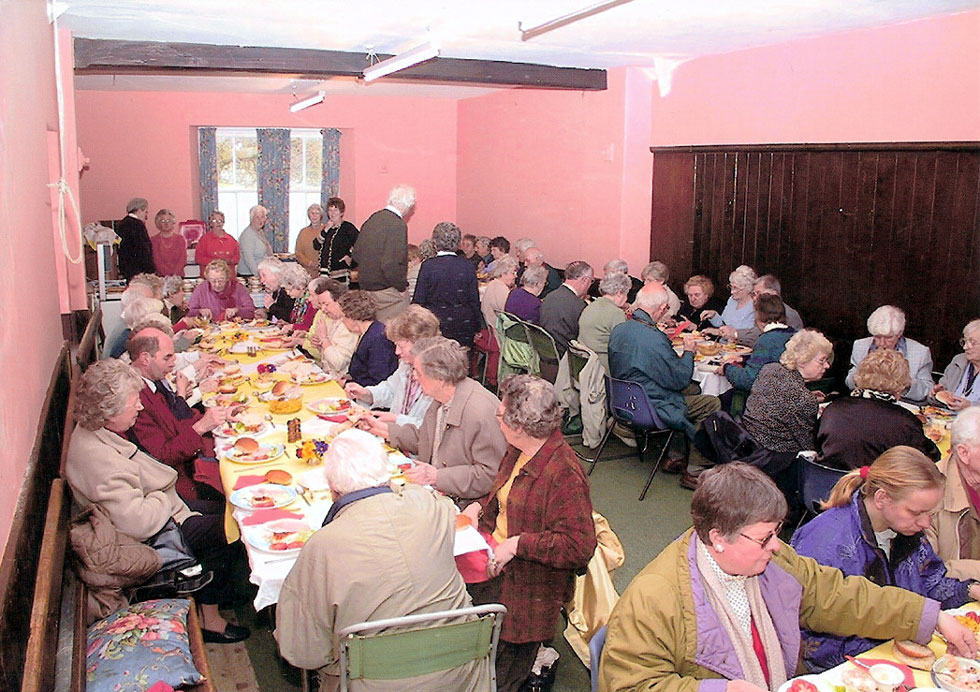
Contributor: Frank Chalmers, Caretaker of High Chapel, the Manse 2006 – 2011
Homage to High Chapel, Ravenstonedale. We Remember and celebrate how High Chapel, Ravenstonedale has been, its features (many now gone), its activities and its people.
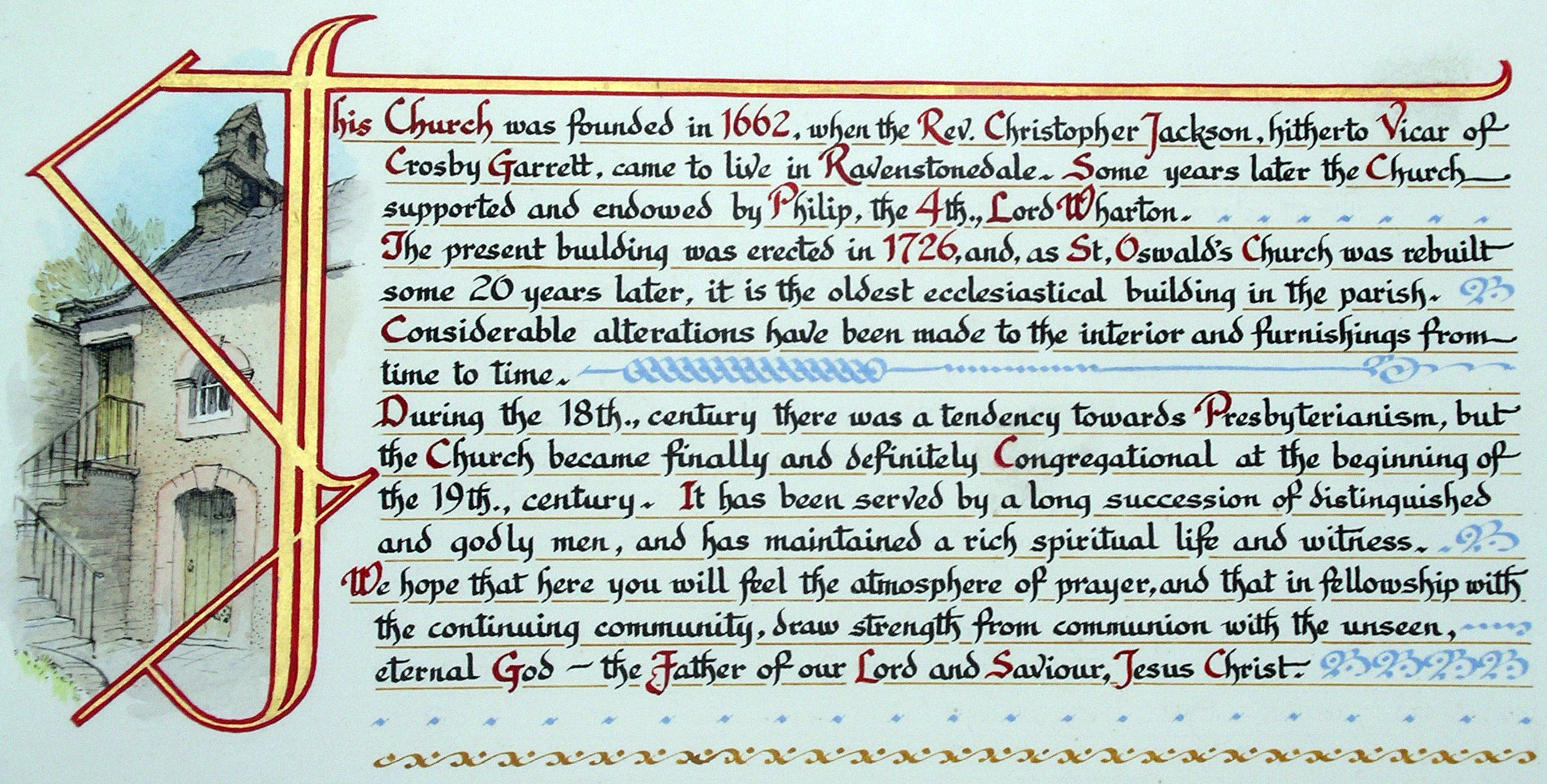
This is a collection of images, articles, scrap books, and pieces by learned people associated with High Chapel, of historical excerpts, and “tasters” signposting you to more material.
The High Chapel Ravenstonedale. From Rev Nicholls, History & Traditions of Ravenstonedale.
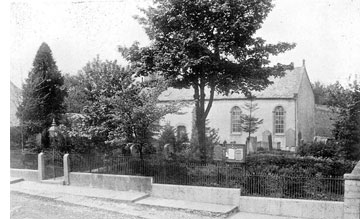 This chapel closed to religious services in April 2006, but it was much loved by those who worshiped there and who were Ministers, and by those who maintained it after 2006, for nearly 4 years.
“High Chapel closes after 279 years as a place of worship and 346 years of Non-conformist Christian witness in the village”.
Extract from last service 2006.
“High Chapel is the direct descendant of one of the first nonconformist meeting houses in the north of England. Founded in 1662 by Christopher Jackson, an 'ejected' minister who came under the protection of Lord Wharton, the congregation met first in people's houses. They built the present chapel in 1727. Since that time the chapel has been in continuous use for the people of the village. It is worth noting it pre-dates the present parish church by some 18 years”.
From High Chapel Forward Plan Page 4. A planning document predating its closure in 2006.
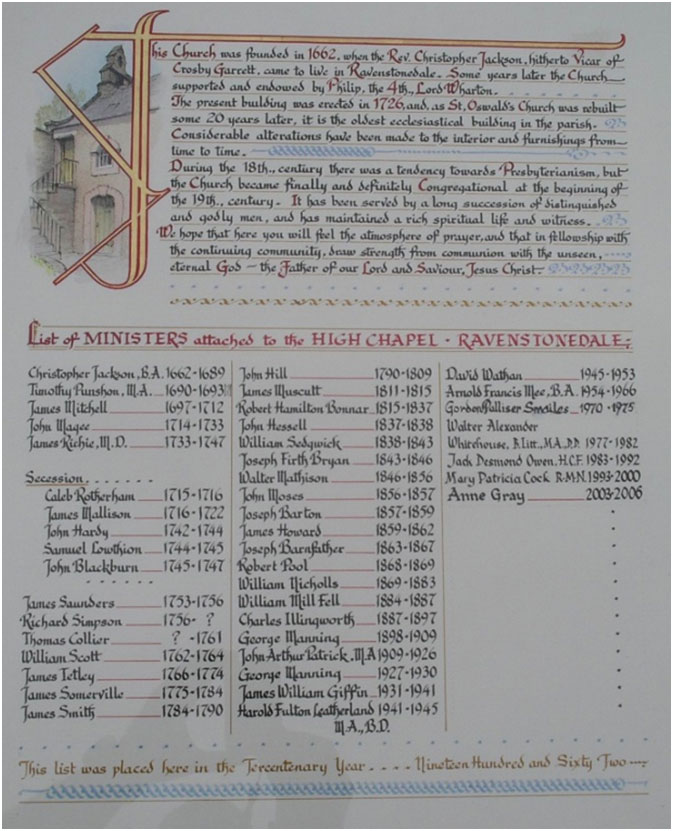
1662. The Rev. Christopher Jackson, expelled from Crosby Garrett, arrives and forms a small group of dissenting worshippers.
1689. First official minister, Timothy Puncheon, and obtained a licence to meet at the house of George Parkin.
1727. The new Independent Chapel is duly licensed at Appleby Assizes.
1733. James Ritchie called to the pastorate. When he arrived some of the trustees did not approve of his theology and so there was a split for the next 14 years. Eventually it seems to be settled amicably.
1790. John Hill. He was to start the Sunday School, buy the cottage in front of the Chapel for demolition, and started the Independent ministry at Dent.
1836. John Hessell called, but he became a Methodist and left to found 'Low Chapel' with some of the congregation. The Chapel was almost ruinous. The remainder reformed the trusteeship & two years later re-constituted the church.
1868. Rev. R. Pool came and rebuilt the Chapel in essentially its present form.
1871. The first organ was installed.
1898. George Manning, father of Bernard Lord Manning, becomes minister.
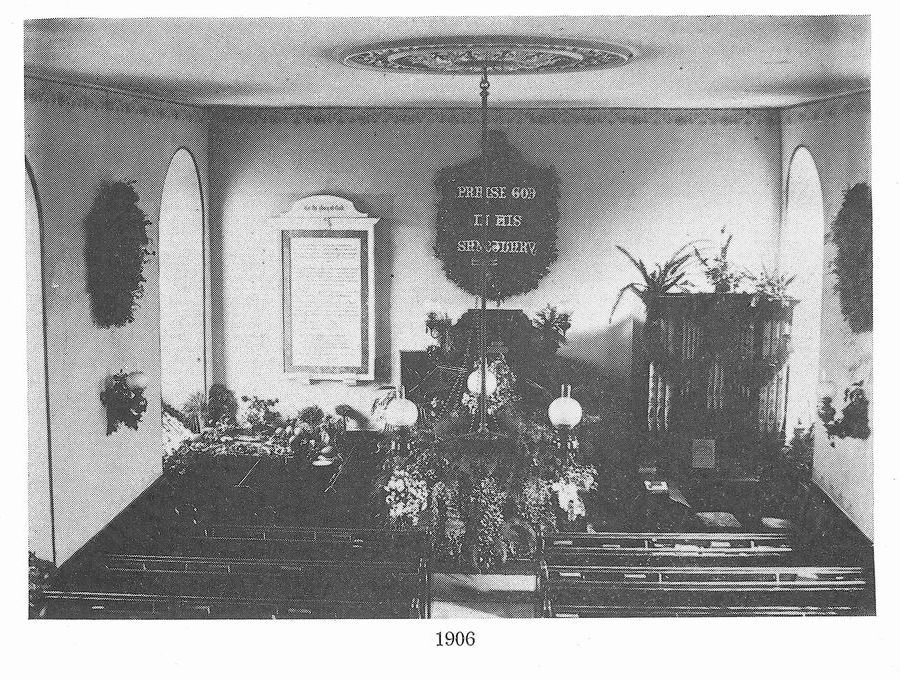
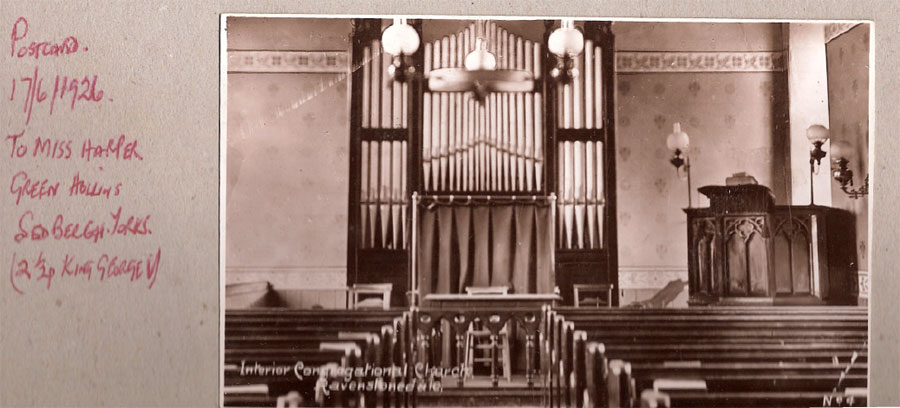
1907-8. A new organ was installed when the building was restored and the schoolroom enlarged.
1910. Rev. AJ. Patrick called. A noted leader of the wider community.
1972. High Chapel became part of the new United Reformed Church.
2003. Revd Anne Gray becomes the last Minister.
2006. High Chapel closes after 279 years as a place of worship and 346 years of Non-conformist Christian witness in the village.
A personal view by the previous caretaker – Frank Chalmers
The Parish Council bought the chapel for £1000 in 2011 and proceeded to strip it of most of its character; removing the volunteers, projects, internal features, pews, trees and soul. The Chapel, now a “Community & Heritage” building, should be run and owned by an independent trust, as this is the most effective way to manage the chapel going forward. The “independence” would allow the villagers to own and become creatively involved, without the “nanny knows best” arrangement that stifles real engagement. But the parish council are not as open to sensible ideas as they might be in a mainstream town. This is a society mainly controlled by a few landowners, whose old fashioned ideas, both restrict and obstruct. They do however dominate.
Perhaps, down the ages, the undemocratic Oligarchy have always relied upon a regime of feudal fealty from passive tenants, controlling the historical independence of previous generations of non conformists? The strap line I created for High Chapel – “Protect the past and invest in the future”, has already been consigned to cyber history now the guts of the chapel have been removed; history eviscerated. This historical vandalism in the oldest religious building in the village has been sanctioned and actioned by the Parish Council (in early 2011), none of whom “treasured” the unique chapel, nor did they worship there.
The History Group are the main activity (only activity?) in the chapel since the Parish Council took it over. It is distorted logic - the “History Group”, who operate the old chapel, have stripped it of its history.
To obliterate the unique selling point seems destructive, unimaginative, insensitive and counterproductive.
Perhaps it is the competitive nature of the old rivalry between the Conformists (C of E) and the Non Conformists or Independents as they used to be called, when the “Great Ejection” happened in 1662. Is this now a re-enacted - to strip the chapel back to bare bones – a sub conscious act of final victory over non conformity? The ejected Revd Christopher Jackson, who is reputed to have said (when Ministers who had conformed, taunted him about his threadbare coat) “if it be bare”, he replied “it has never been turned”. Jackson spoke truth to power and held to his independent belief in dangerous times. This building has been home to some influential people, who chose to Minister here – once upon a time.
What goes around comes around – plus ca change, but what do we learn Ozymadias?
Ozymandias
I met a traveller from an antique land
Who said: "Two vast and trunkless legs of stone
Stand in the desert. Near them on the sand,
Half sunk, a shattered visage lies, whose frown
And wrinkled lip and sneer of cold command
Tell that its sculptor well those passions read
Which yet survive, stamped on these lifeless things,
The hand that mocked them and the heart that fed.
And on the pedestal these words appear:
`My name is Ozymandias, King of Kings:
Look on my works, ye mighty, and despair!'
Nothing beside remains. Round the decay
Of that colossal wreck, boundless and bare,
The lone and level sands stretch far away".
Percy Bysshe Shelley 1792 - 1822
The volunteers (after 2006) – Sarah, Steve, Robin, Tony, Roy & Barbara, Ann, The Open Housers & Frank, who acted as caretaker for the Chapel and Manse, and of course others too before these Including Ken Woof, Margaret Atkinson and members of the congregation. The volunteers worked hard and were very motivated, they contributed mountains of work between 2006 and 2010 – thanks to them all.
Mention should also be made of Mary Irwin (and Chris), who when I started (approx 2002/3) at High Chapel, was the motive force quietly urging and organising. She arranged for a Fairtrade “shop” at Open House, where we could buy a large range of fairly traded goods. Mary and Chris Irwin, owned and operated the Bookhouse in Ravenstonedale, selling and buying second hand and specialist books, but they were much more than that… more of the Irwins later -
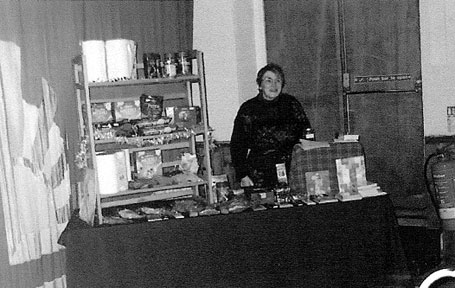
Mary Irwin, Fairtrade and High Chapel Ravenstonedale circa 2005 (FC)
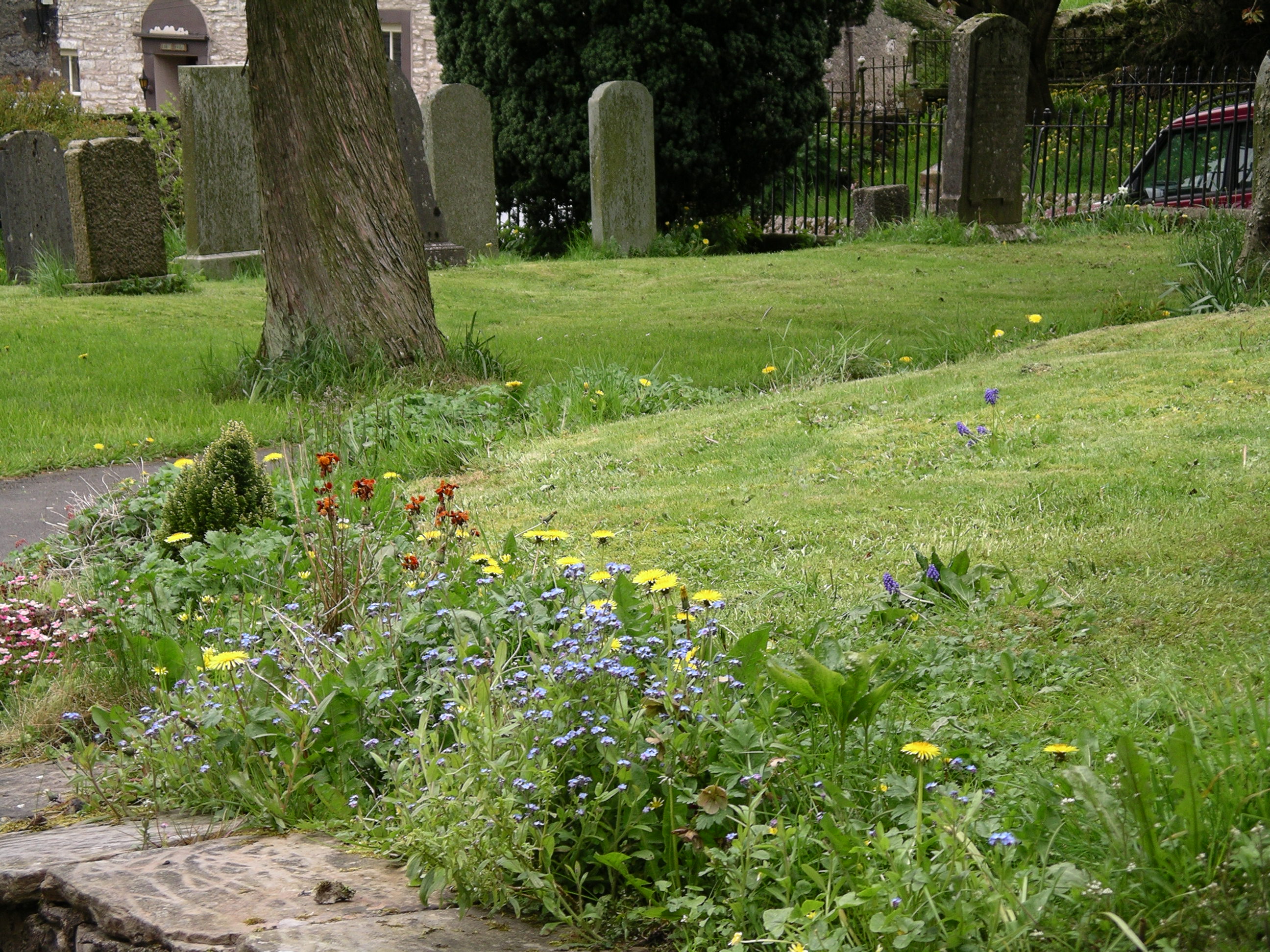
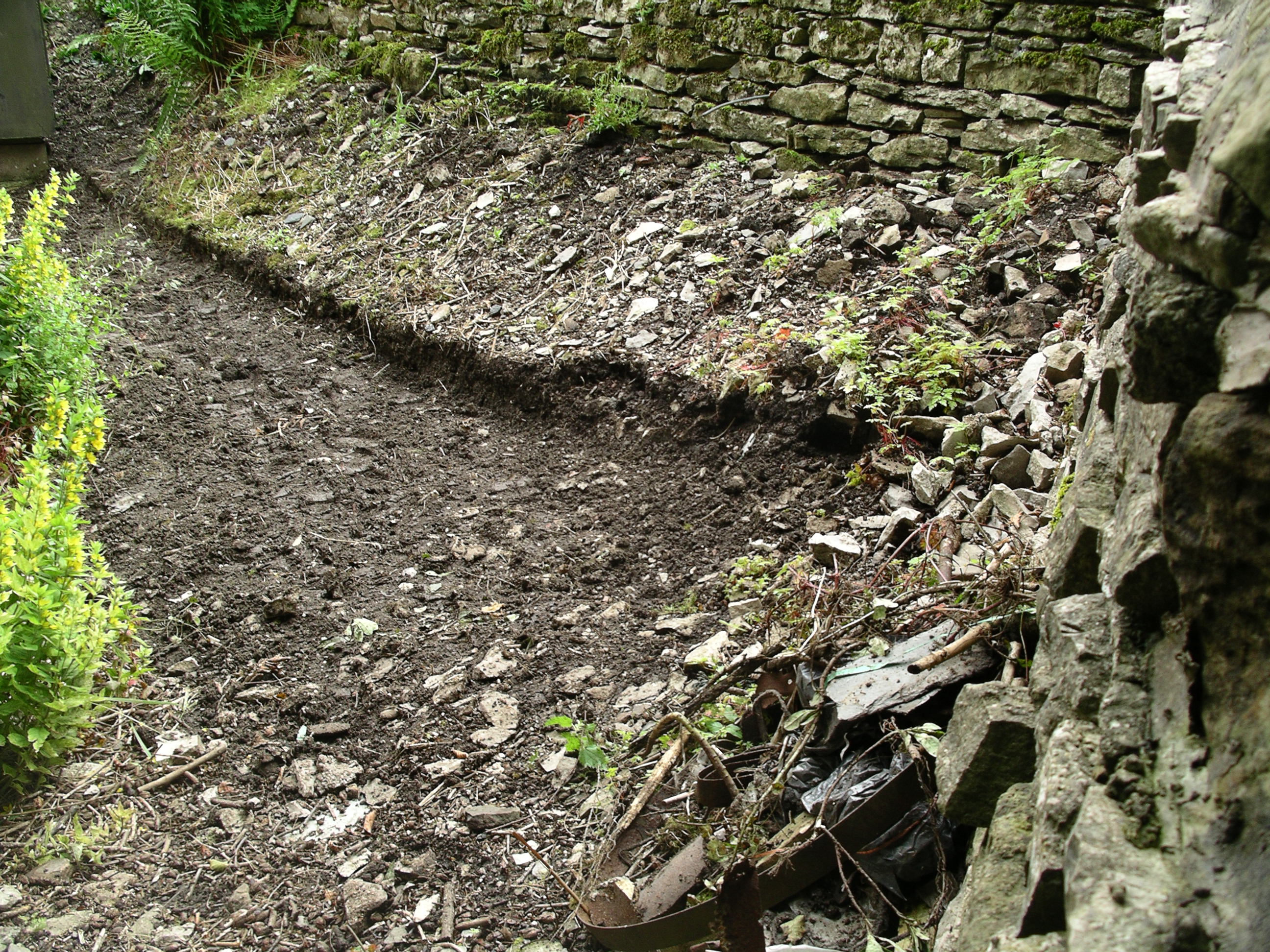
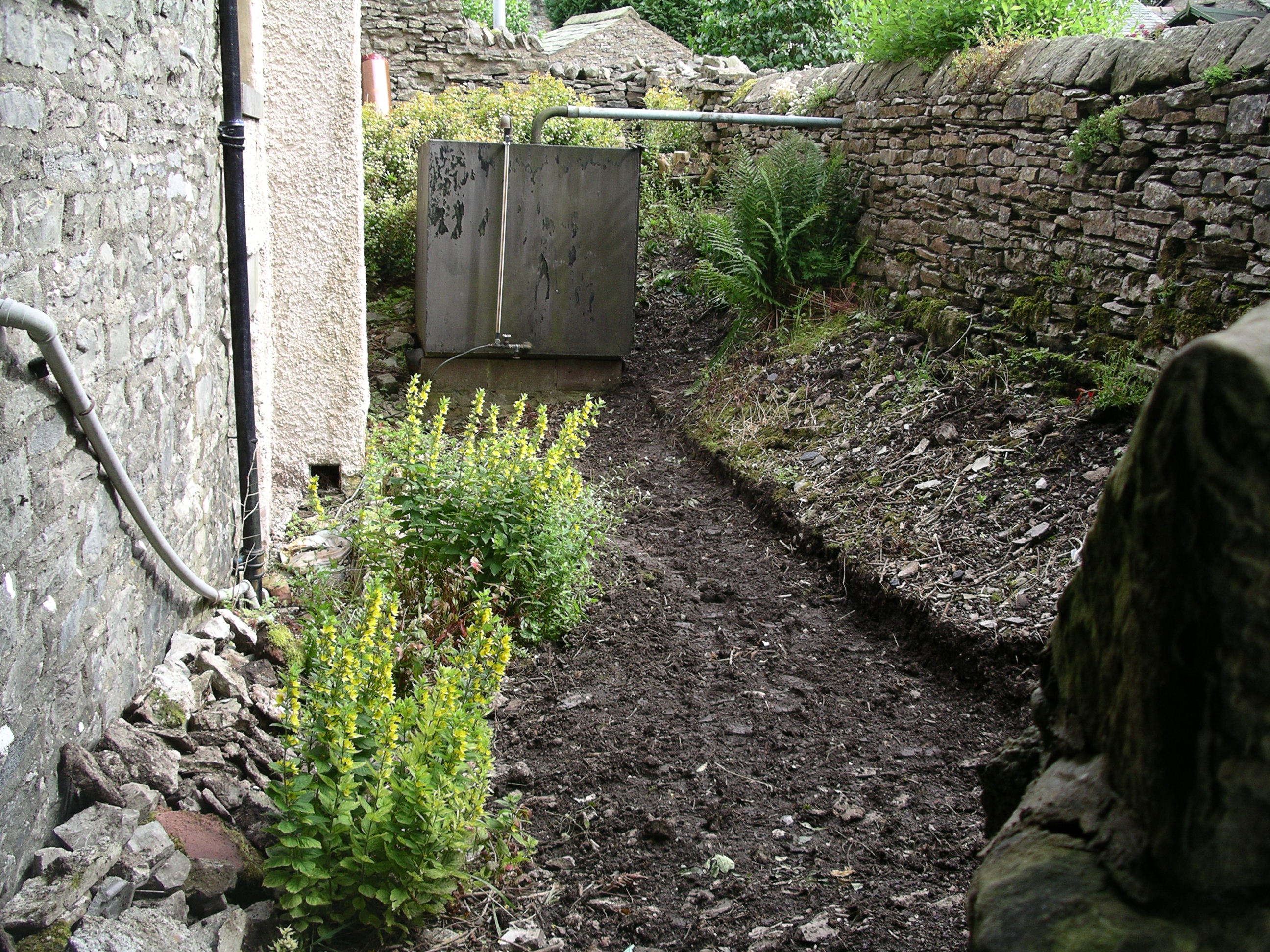
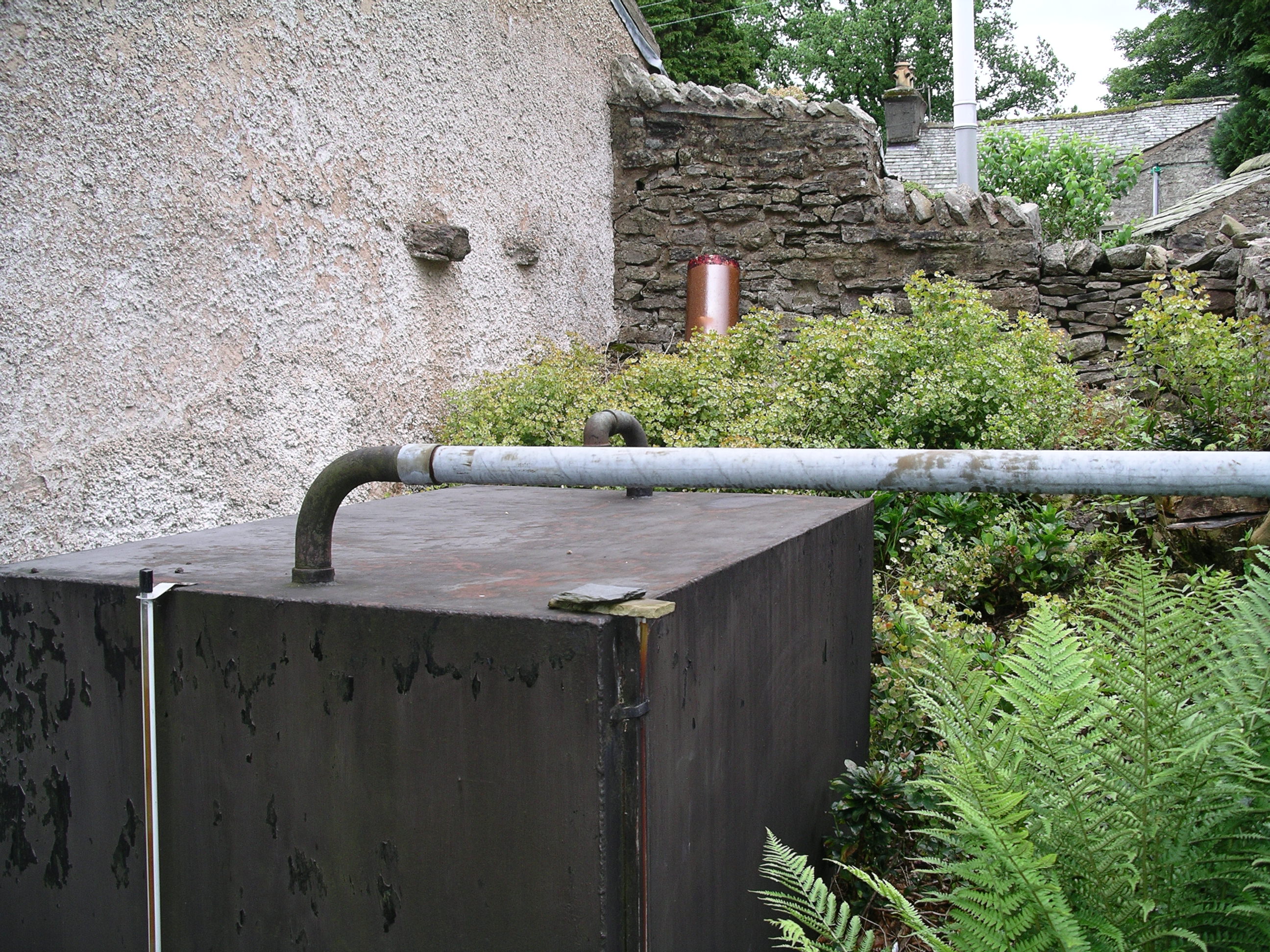
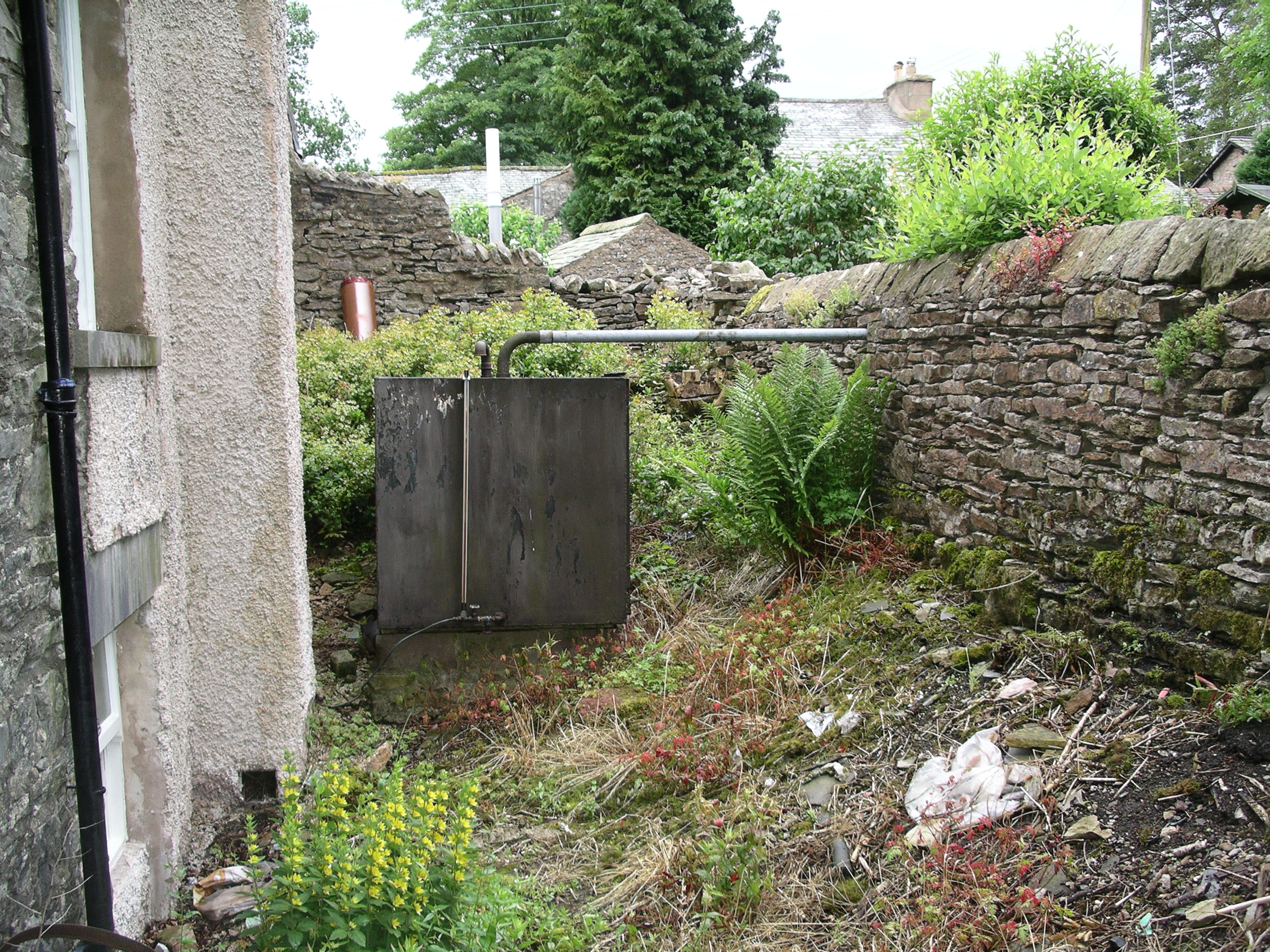
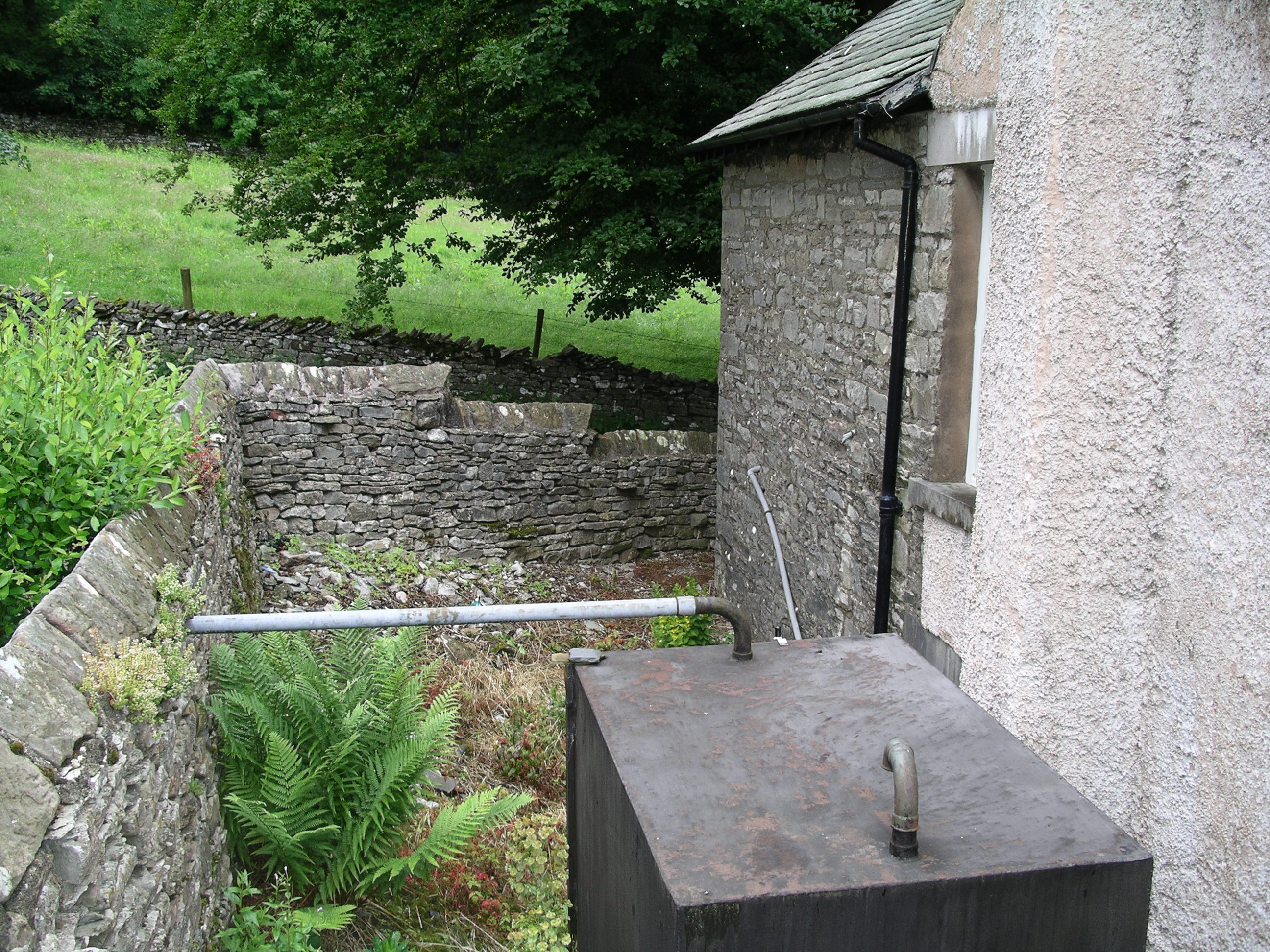
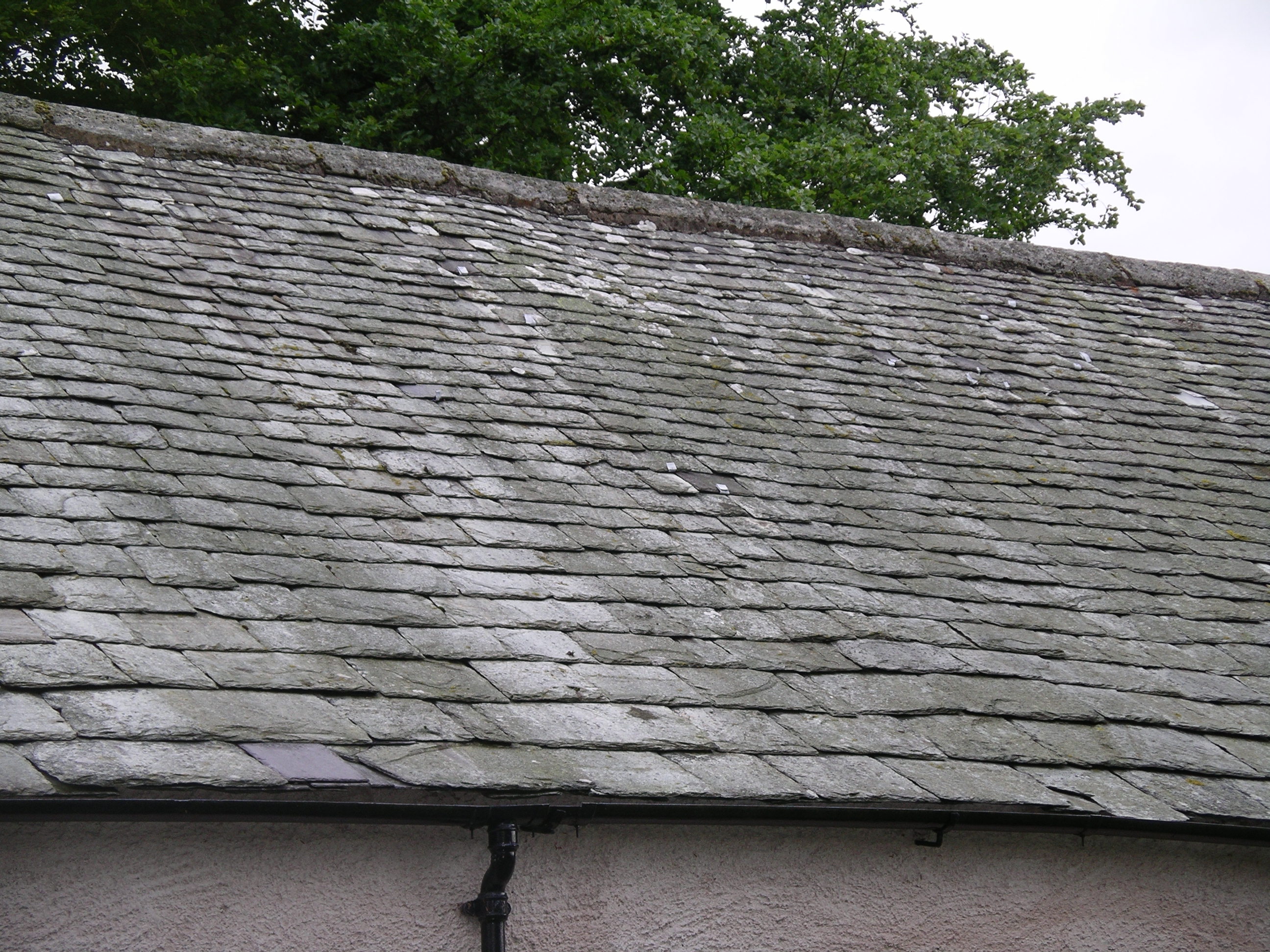
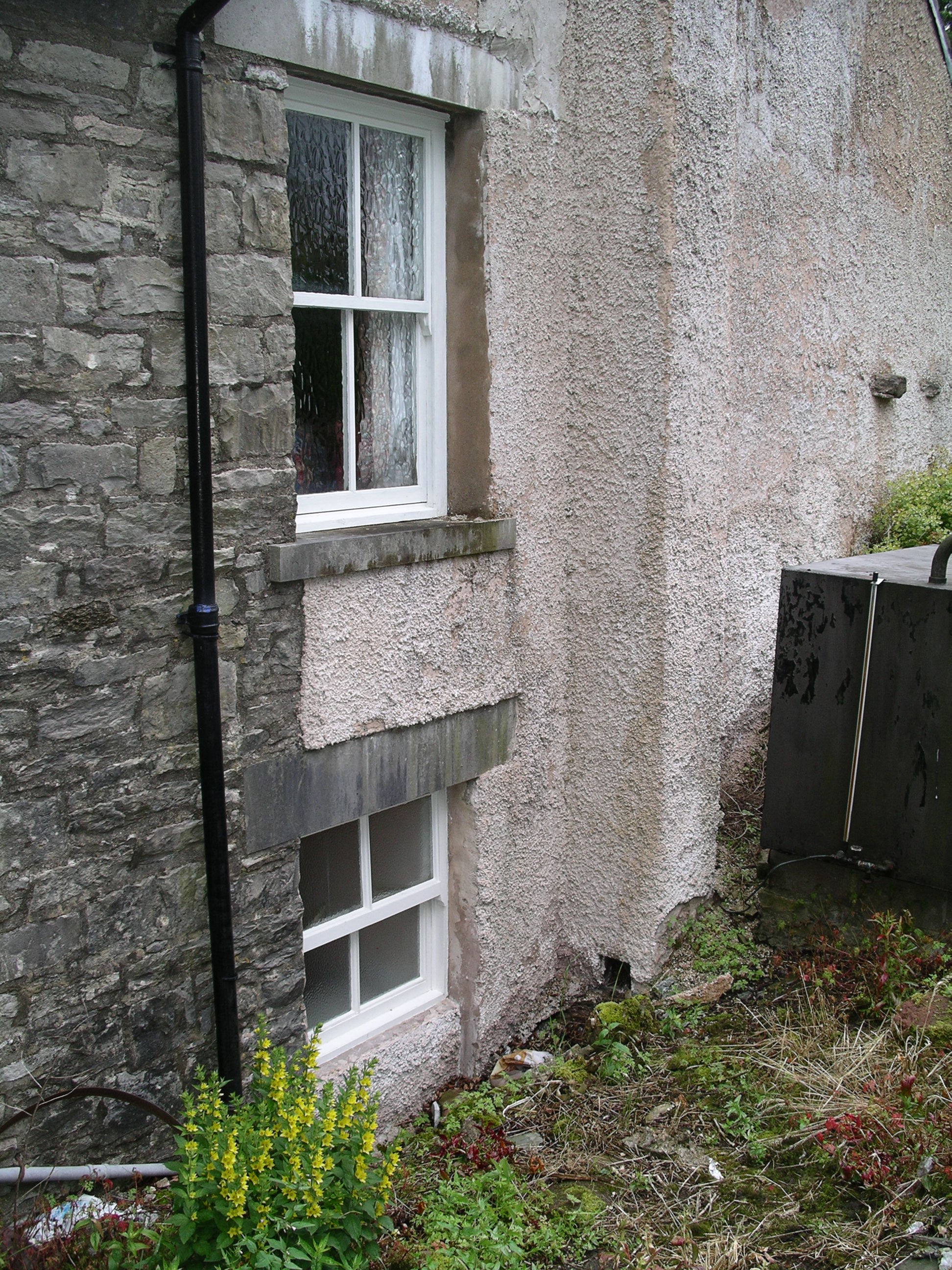
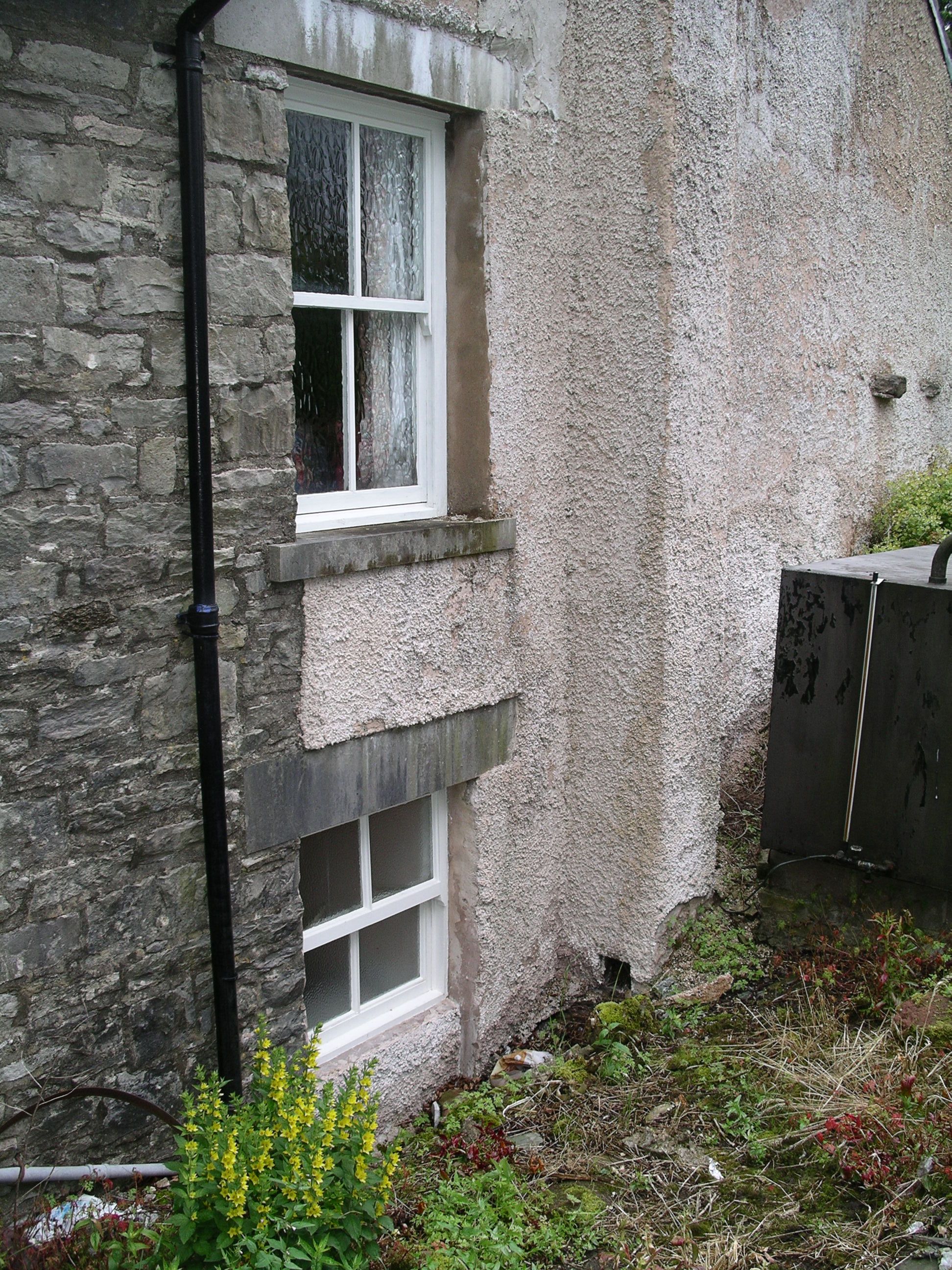
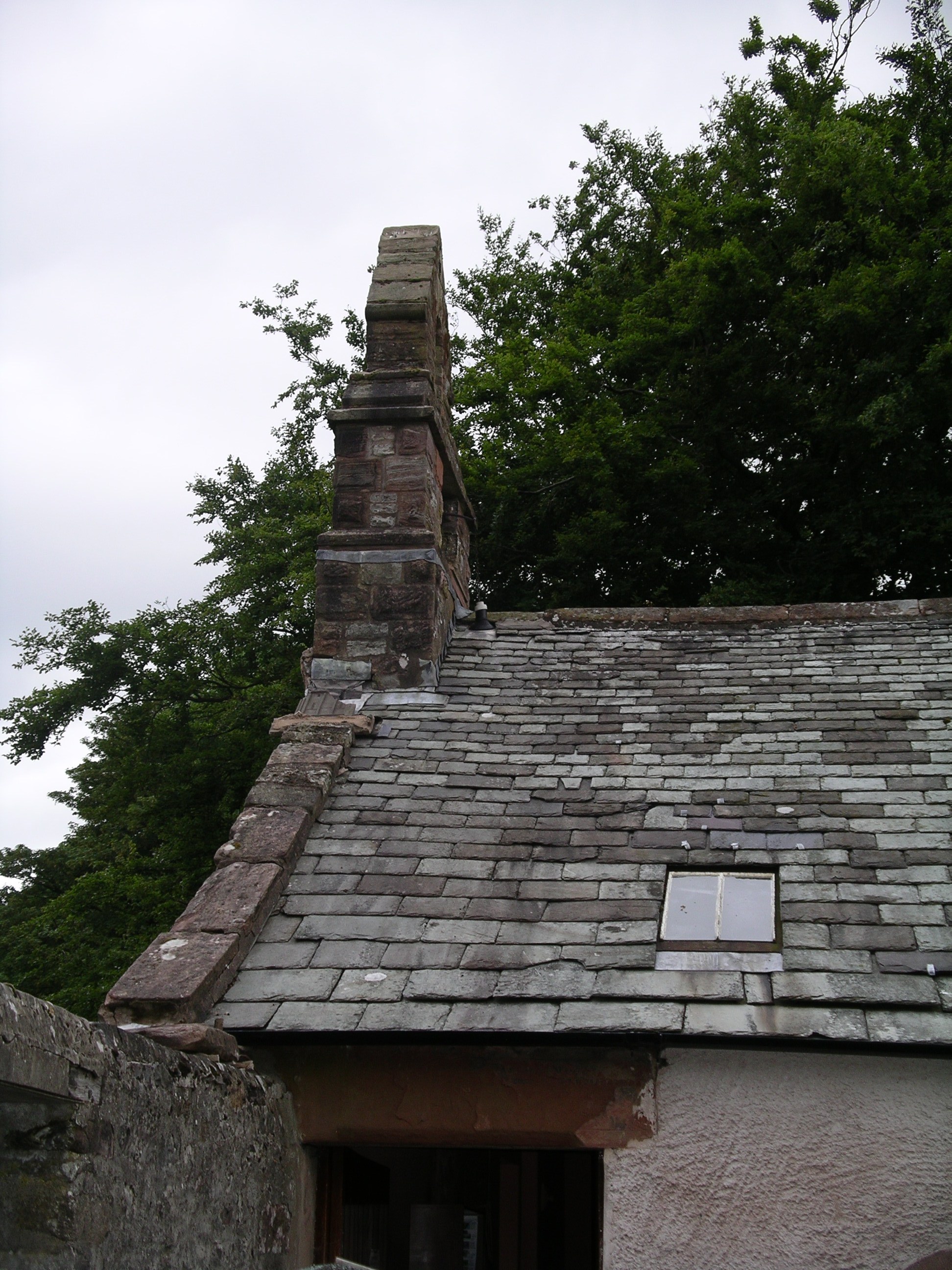
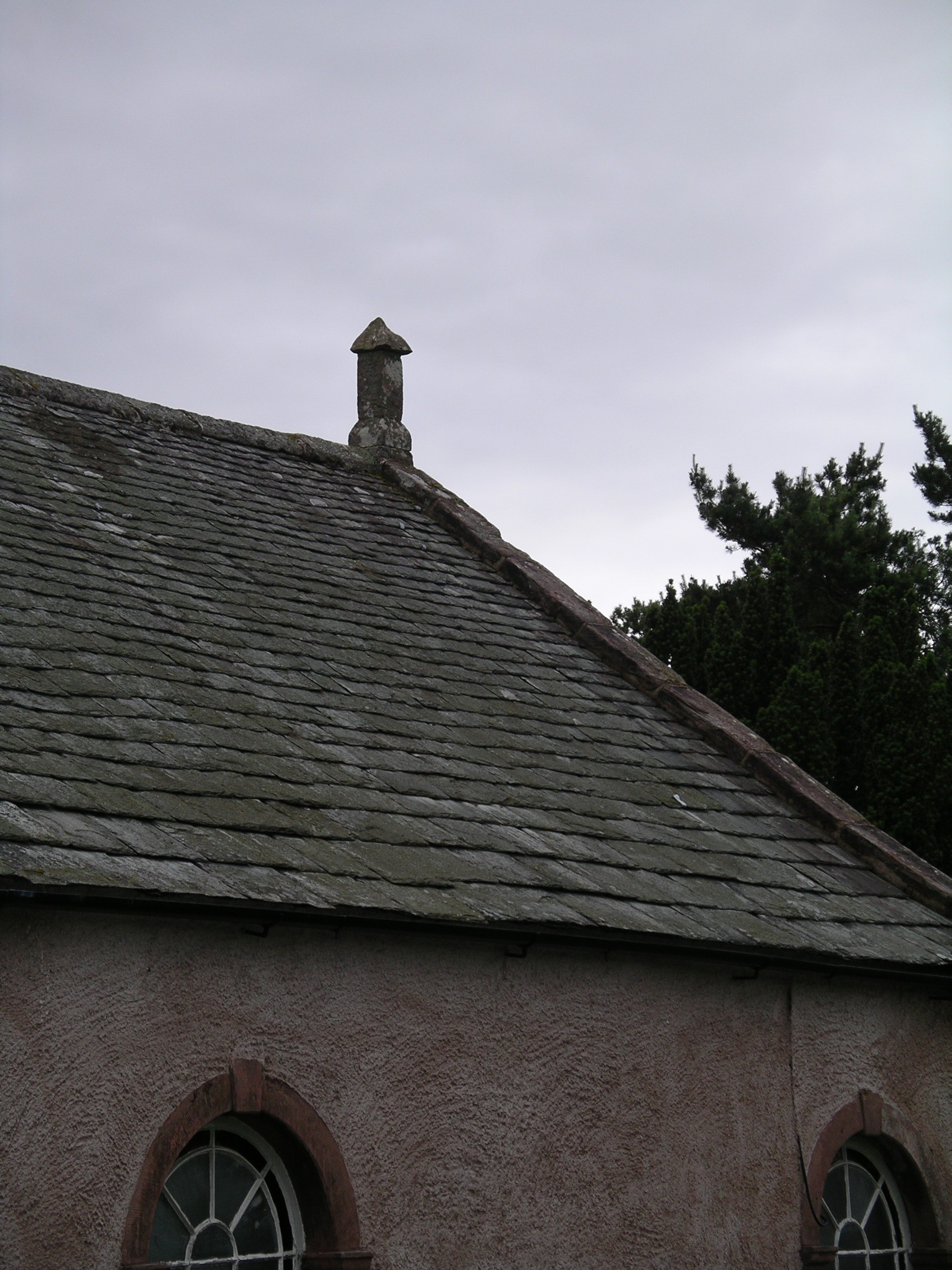
Apart from keeping the graveyard neat (regular grass mowing) and the flower beds stocked (Roy & Barbara), Plantings of bulbs and roses, the gutters & drains cleaned and flowing, the iron work painted, the Old Gents Loo swept, oil tank painted, the rear earth banks re profiled and a path made, slates repaired (by Keith Pratt), boiler serviced, oil ordered and pump bled, windows released and made to swing open, hovering, redecorating throughout, putty lime render repairs, wall repairs (Percy Robinson), etc.
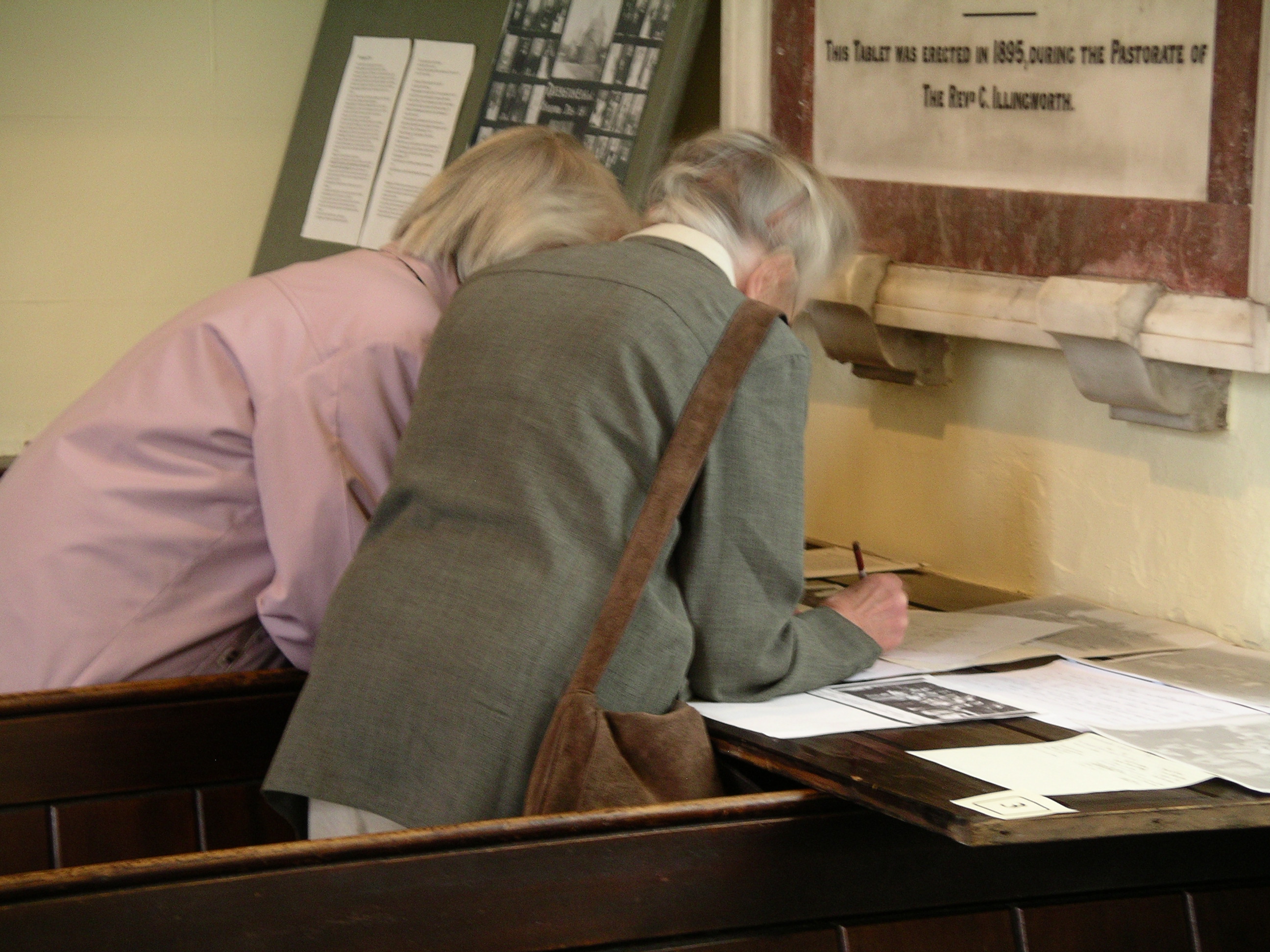
And then there was the digitisation of the paper history archive – by Steve, who came each Wednesday for years, scanning documents, converting to PDF, organising systems and creating the basis of a searchable archive – a valuable achievement that is now available in the form of the FC-Rdale Independent History Archive.
All these activities and services were disbanded and removed by the Parish Council prior to their purchase – volunteers no longer wanted, broadband disconnected, Café said to be unsafe (not by Eden District Council), building unused for months and arbitrary decisions made, without democratic involvement.
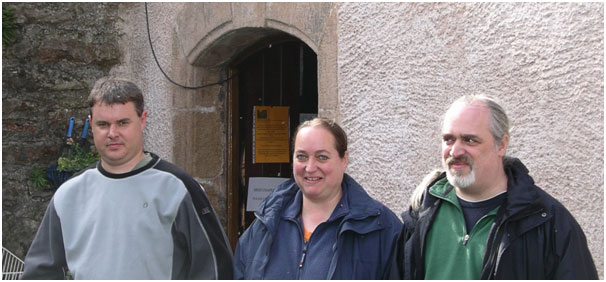
Robin, Sarah and Steve – great volunteers! Circa 2008/9
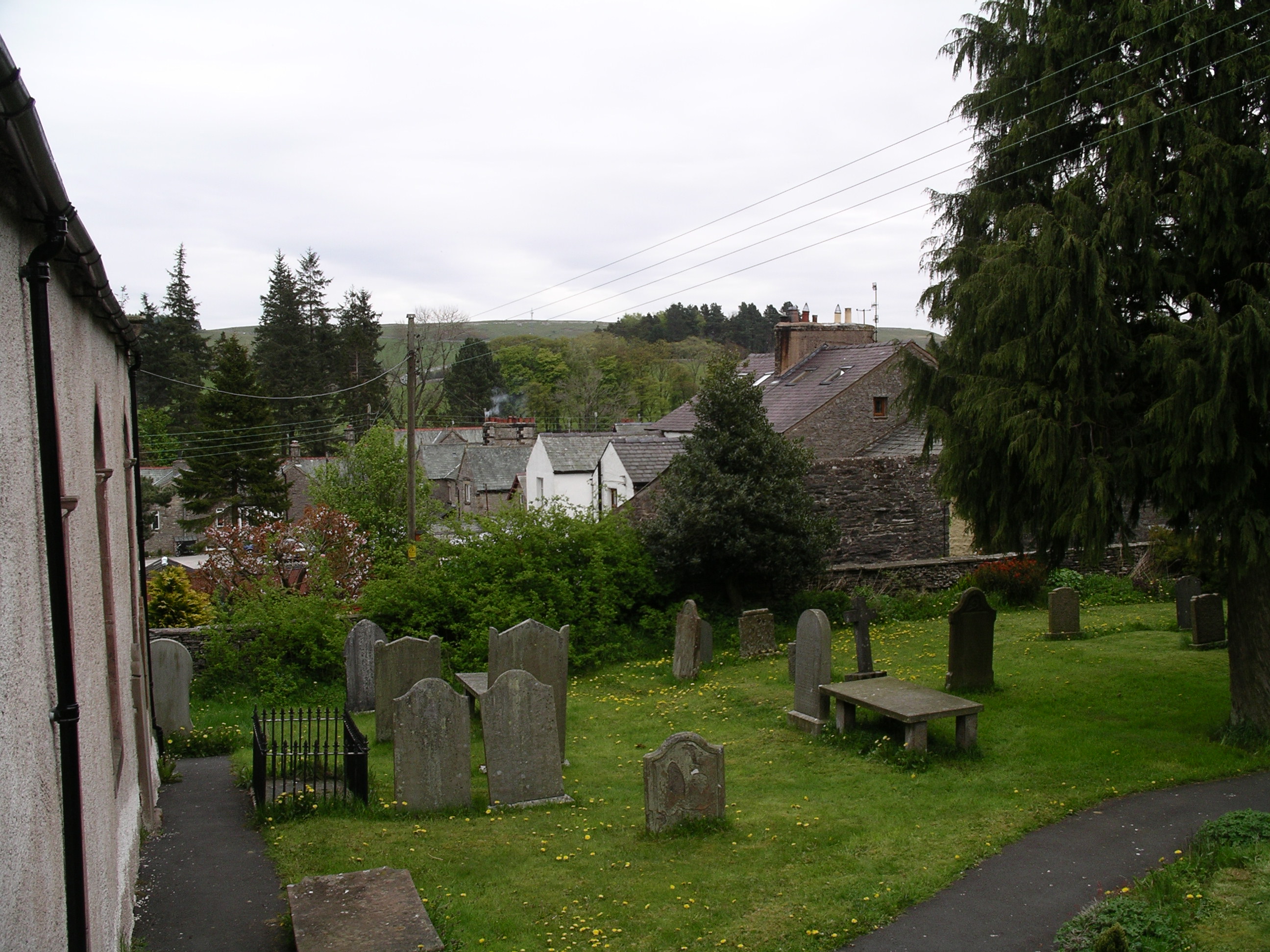
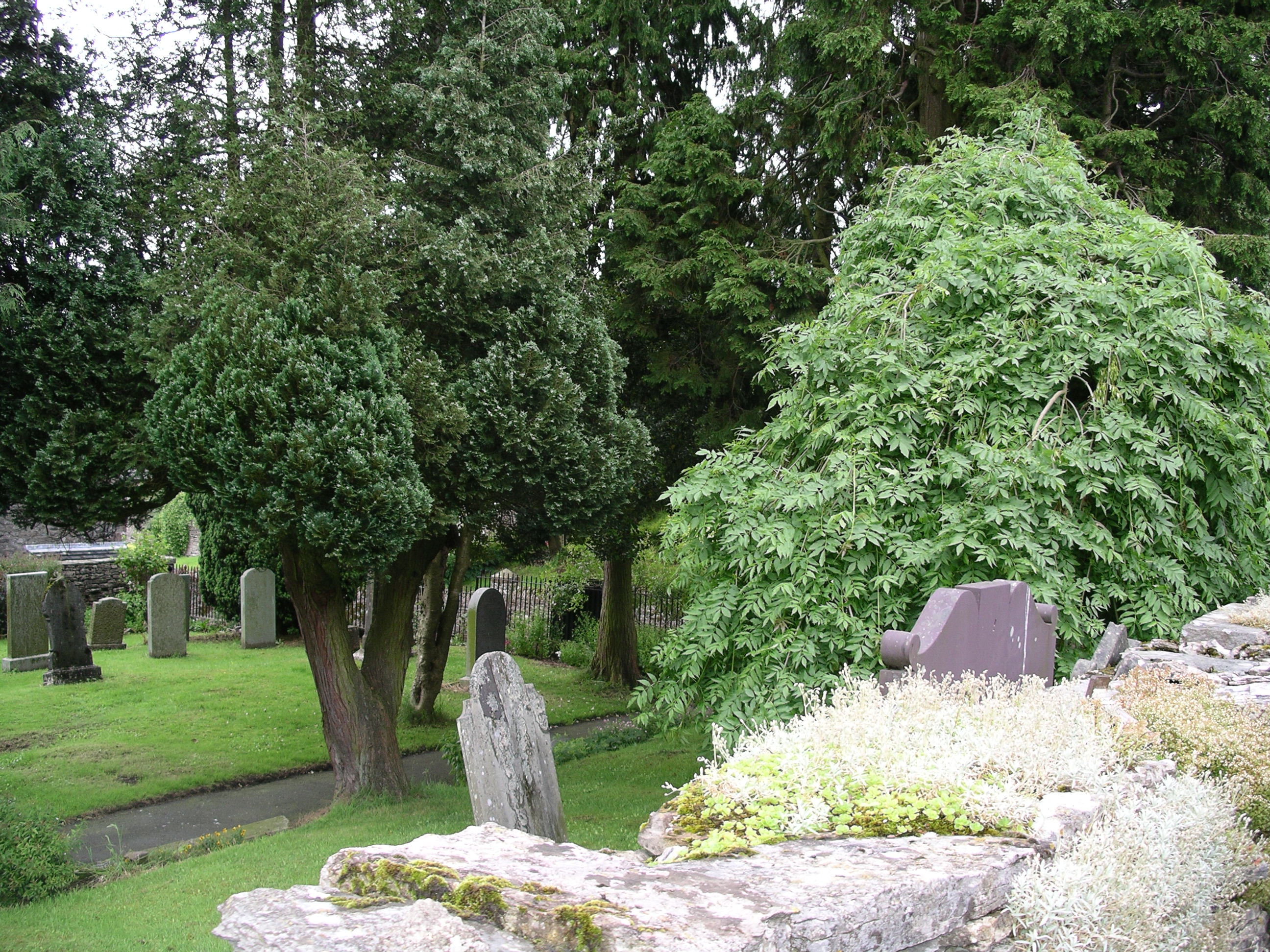
But before it was stripped – this is what it looked like. Some old images, some after 2006 - Pictures, articles and activities of the old quiet chapel, where many Ministers are buried (Nichols, Whitehouse, Manning et al), where Hewetson’s, Manning’s rest, and where the spirit of the Good Lord Wharton is still praised for his independent kindness.
God Bless them all
(extract from “A Short History” by Chris Irwin © The Bookhouse, Brough)
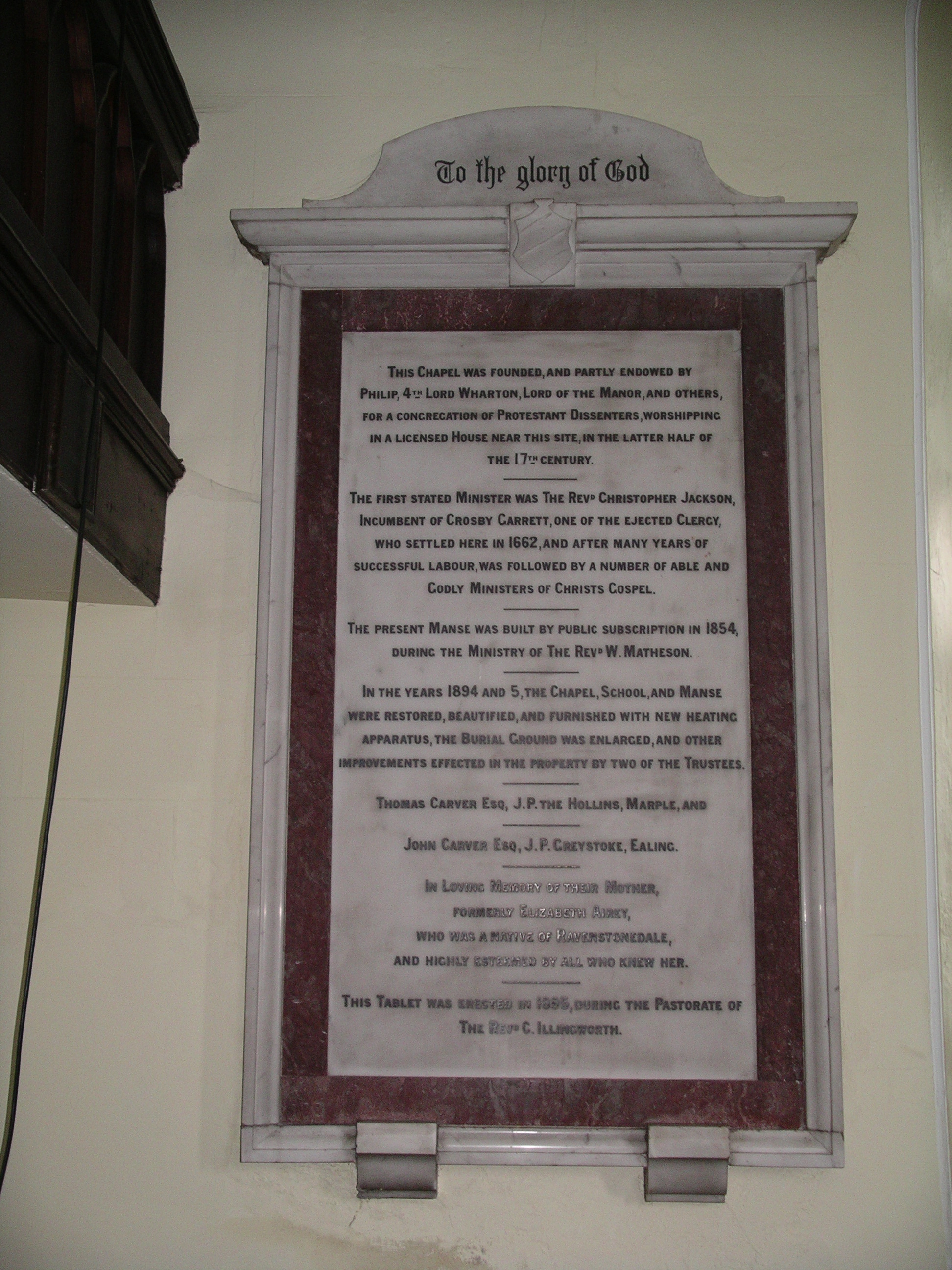
A tablet on the inside wall tells the history of the church. It relates how it was founded with money provided by Lord Wharton and others. Other people who were "in at the beginning" were
"George Parkin of Lowcome, yeoman
Thomas Fothergill of Brownbarr, yeoman
Peter Pinder of the Borough of Southwark, gentleman
William Milner of Assefell
Christopher Todd of the Nethergarths
Thomas Knewstubb of the Dubbs
James Perkin of Greenside
Richard Hunter of Bowbarhead
Robert Fothergill and
George Murthwaite both of Wath
Henry Cautley of Greenside, yeomen."
The names and spellings are from an indenture of 1693.

Christopher Jackson is named as the first Minister. He was the Anglican clergyman at Crosby Garrett during the commonwealth when parish churches were conducted on Presbyterian lines. With the Restoration churches had to return to the prayer book and the clergy had to accept the thirty-nine articles of Anglican faith or be 'ejected'. Christopher Jackson was one of these and he came to Ravenstonedale to preach to the 'dissenters', those who believed in the freedom of worship. His first 'church' was in his own house and those of like feeling. During the reigns of Charles II and James II dissenters were persecuted, and it may be that those in Ravenstonedale were protected by Lord Wharton's patronage.
In 1689 the Act of Tolerance gave dissenters freedom of worship and the Ravenstonedale group had their first licensed meeting-house in George Parkin's house and called Timothy Punshon to be their Minister. Since that time the High Chapel has continued to serve those who seek an alternative to the Church of England. Originally Presbyterian, it became Independent (Congregationalist) and latterly United Reformed.
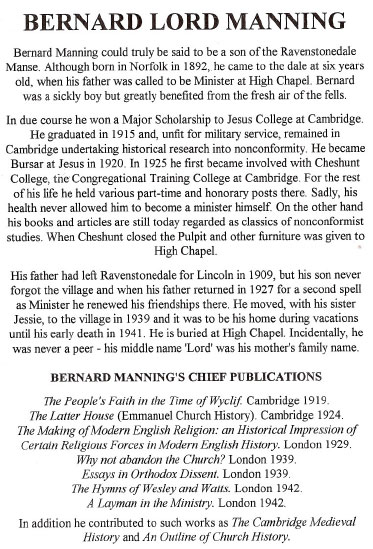
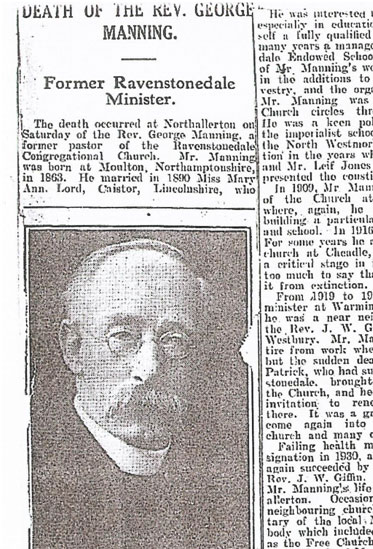
There is a memorial to the Reverend George Manning in the church. He was a much-loved minister and served here twice, High Chapel being his first ministry and then his last. His son, Bernard Lord Manning, was a famous Congregational writer and Cambridge mediaeval scholar.
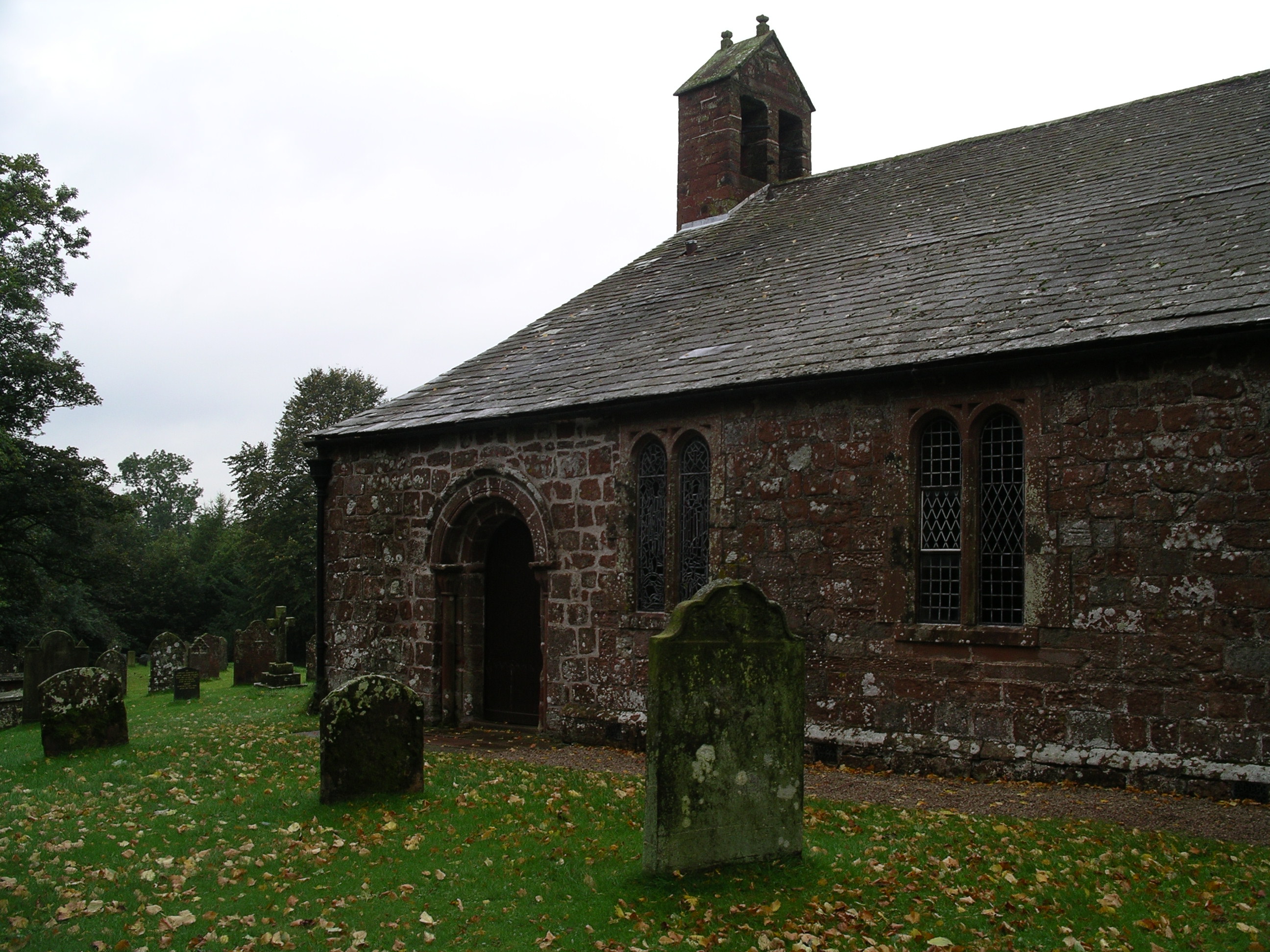
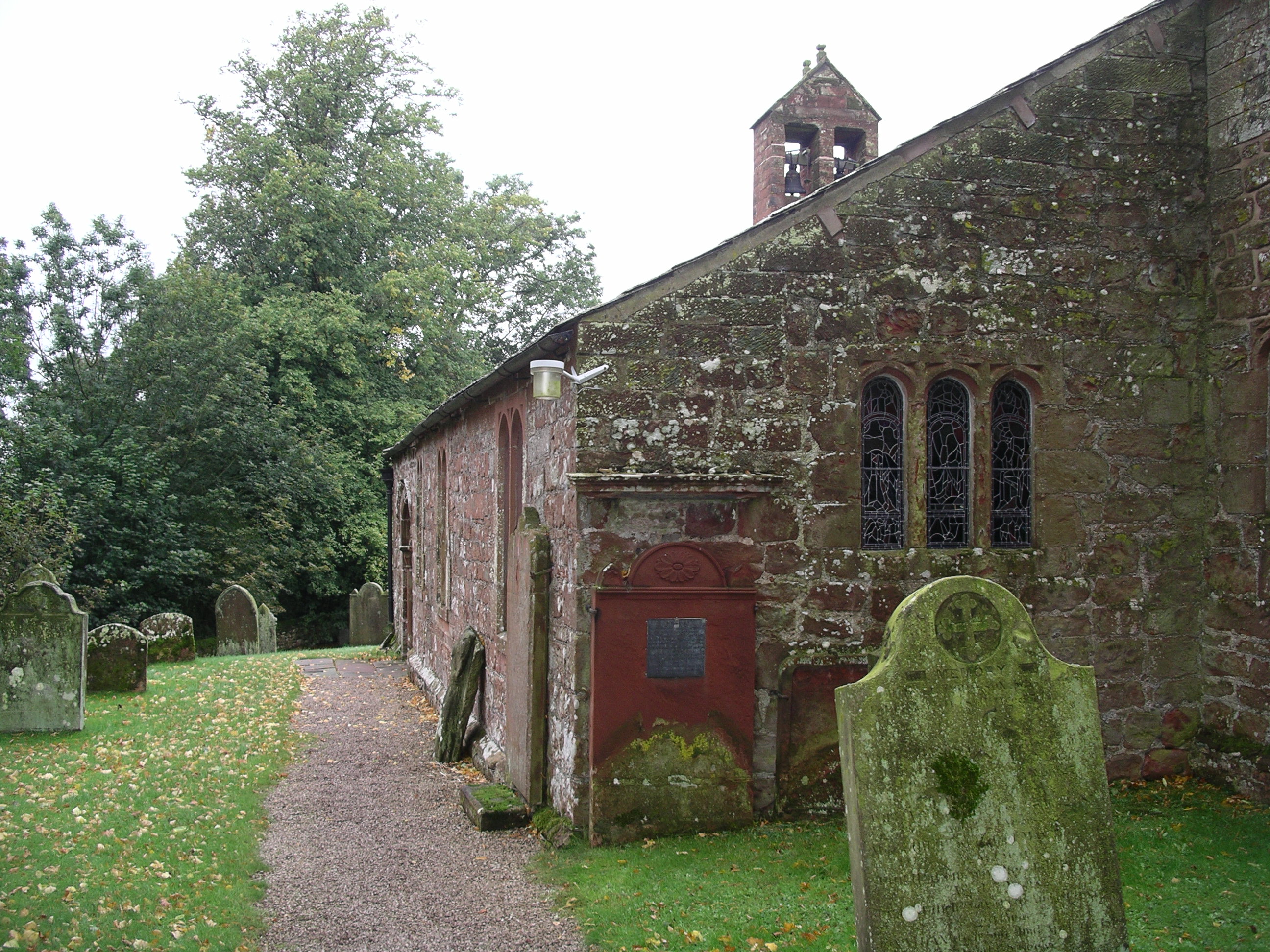
High Chapel is the name of what is now the United Reformed Church halfway up the main street of Ravenstonedale. The name derives from its position, the Methodist Low Chapel is further down the hill. The building dates from 1727 which is the year it was licensed as a meeting place for protestant dissenters (people who did not want an official state church), but these dissenters had been meeting in private houses and then in one particular place since 1662.
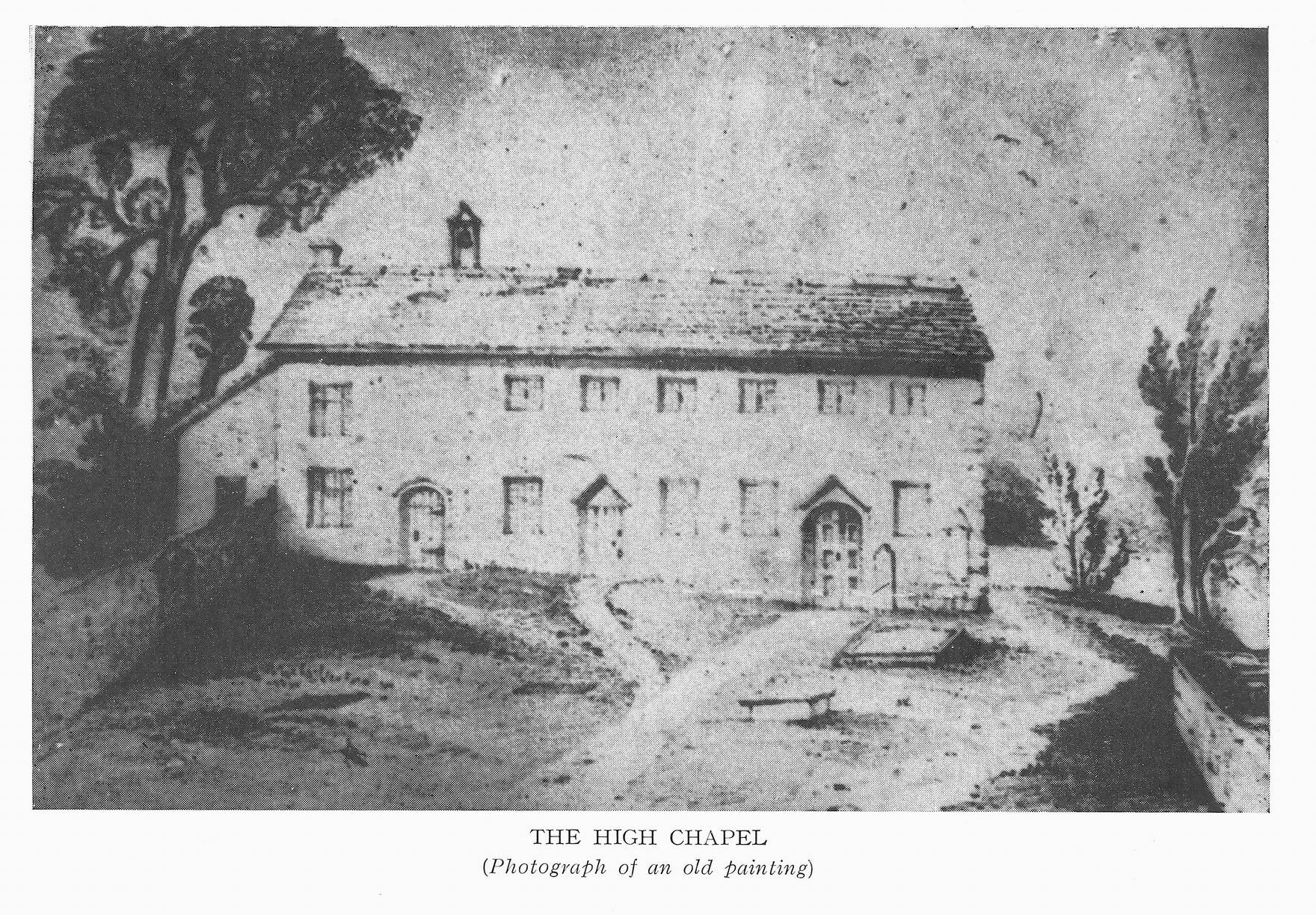
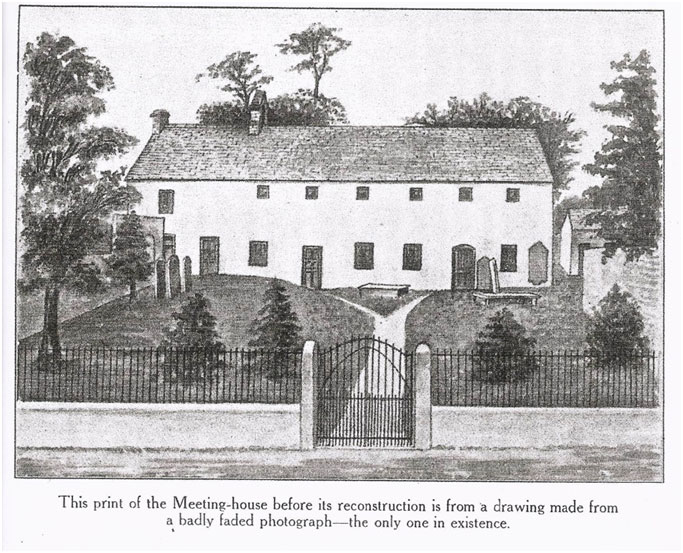
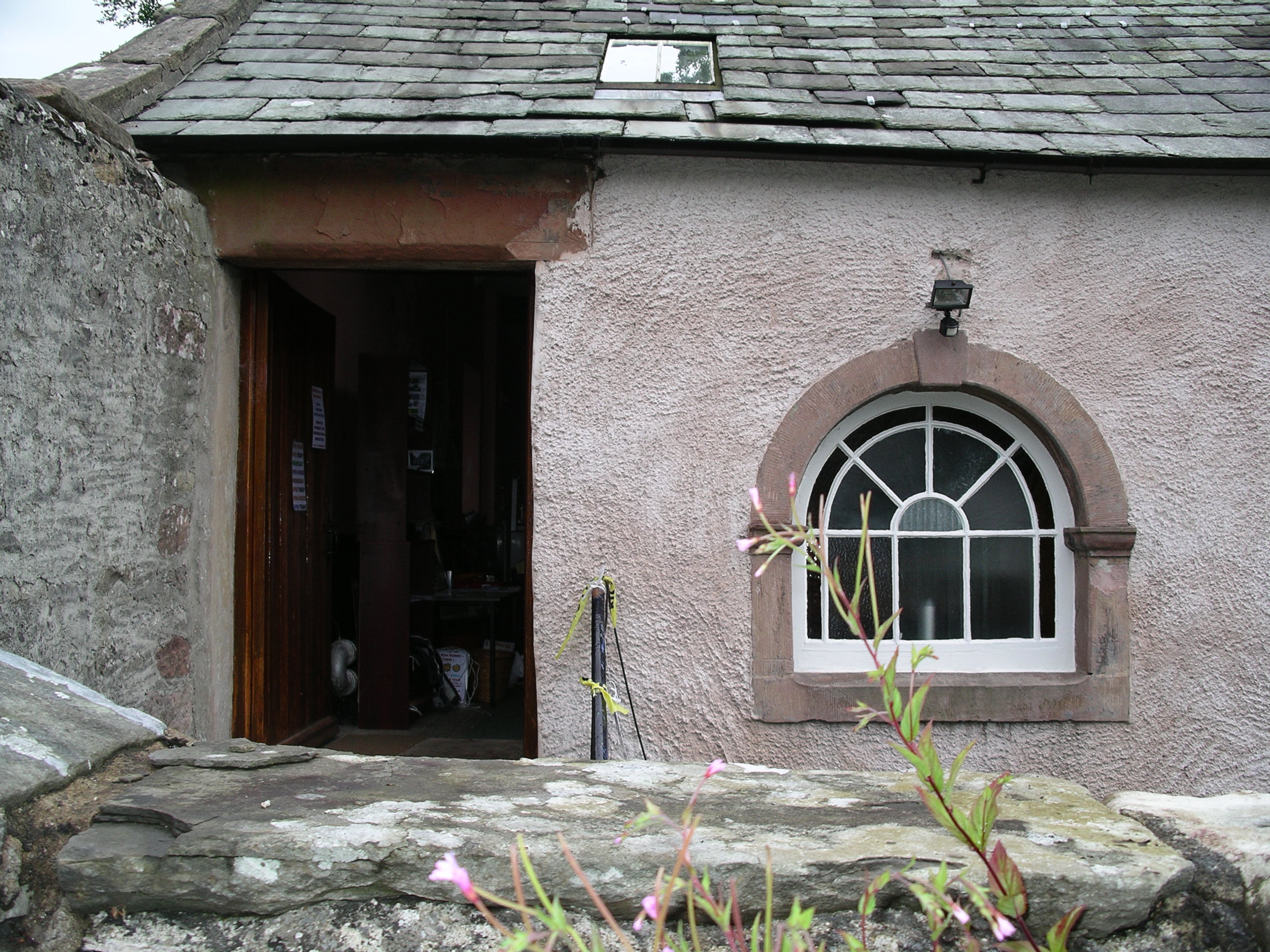
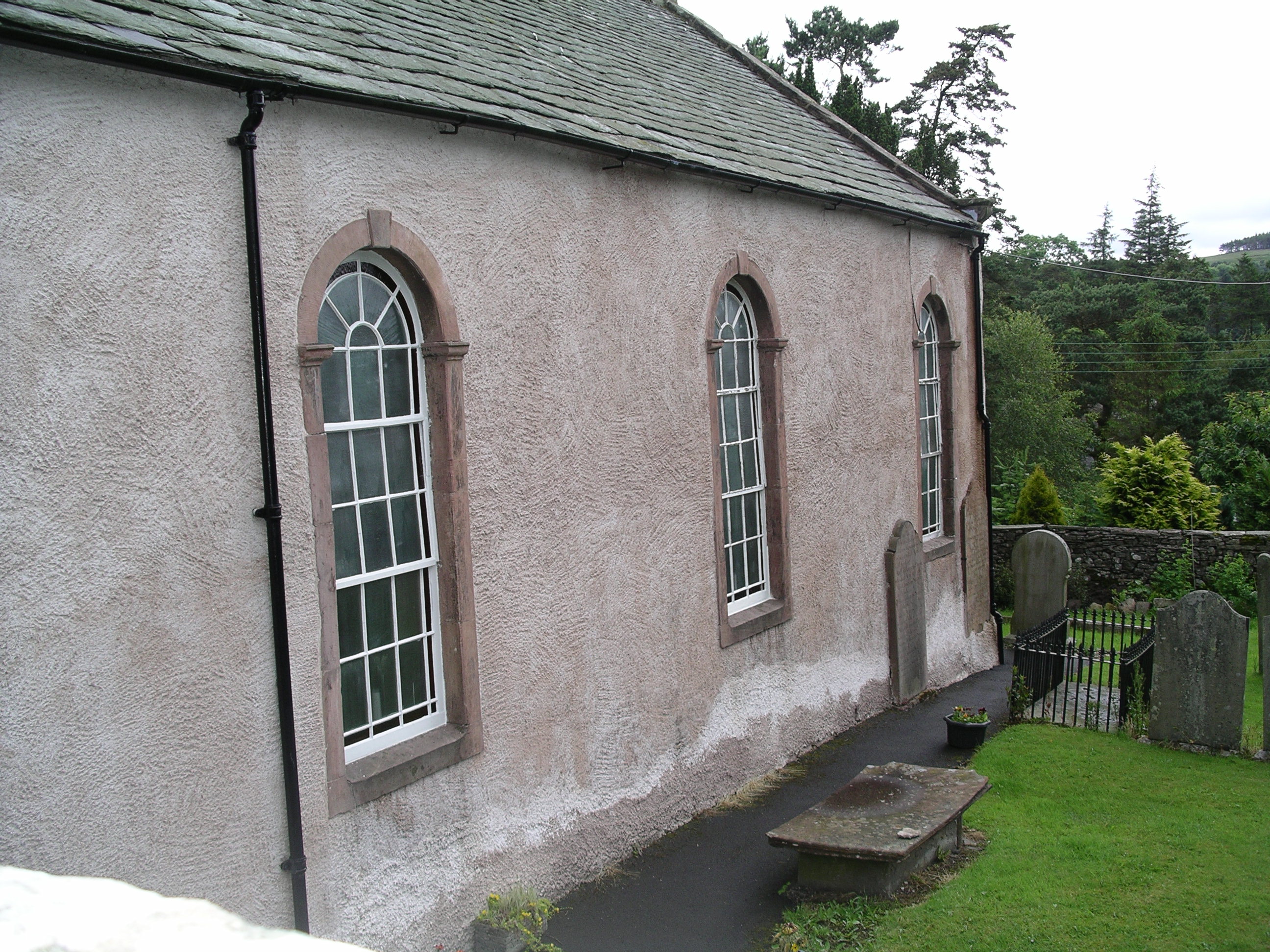
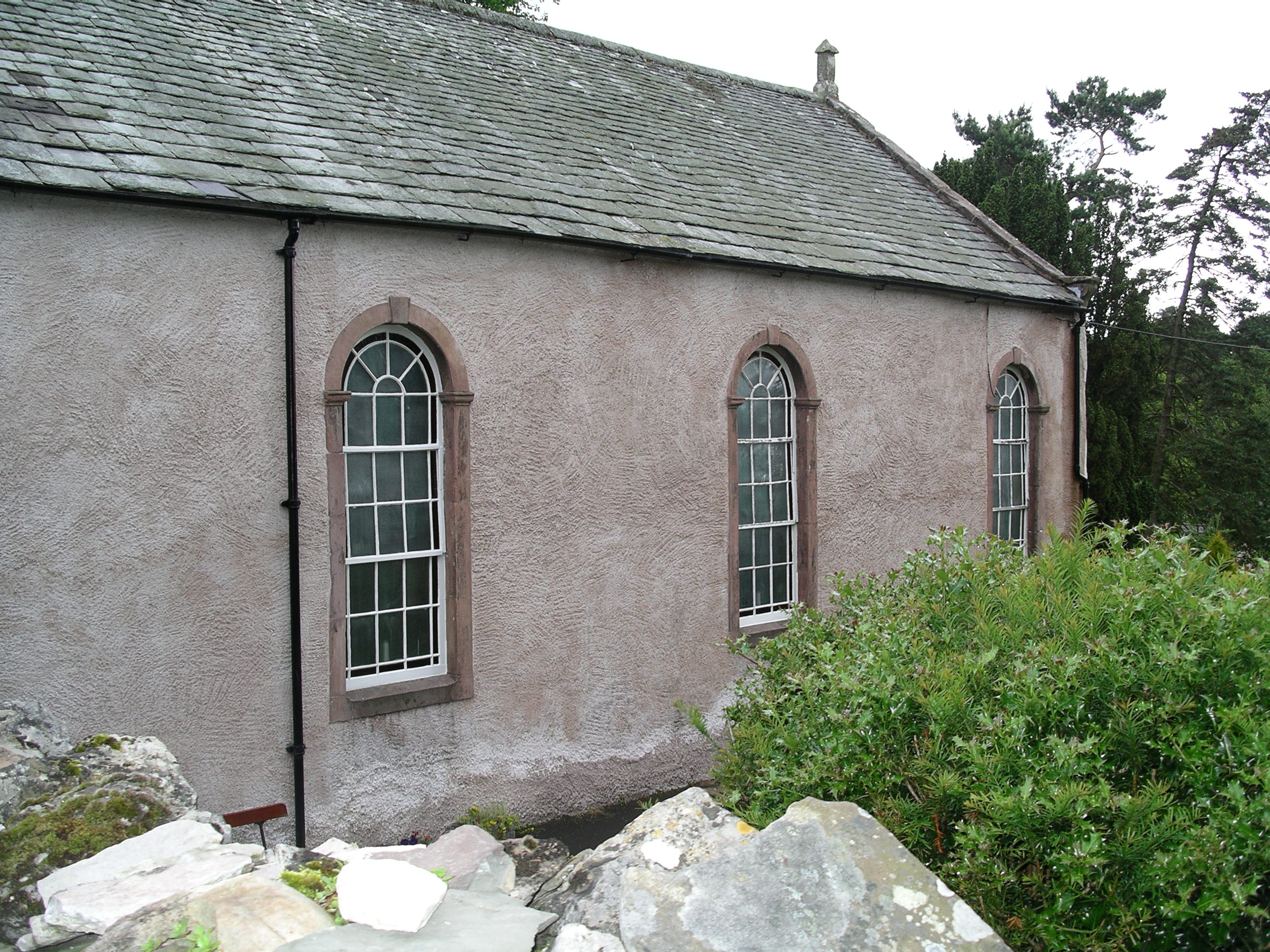
The building as you see it coming through the front gate has changed very much since then. The three round-headed windows were put in 1868, replacing "a double row of small ones". Originally there were two doors on the east side opening directly into the stone-floored chapel. In the early 19th century a Sunday School was started and a room provided for this at the uphill end of the church with living space above.
The belfry was erected in 1813 and has since been moved to the south end of the building. Originally there were box pews and a three-decker pulpit but these, and the gallery which ran around three sides of the building, were removed in 1868.
Between 1887 and 1907 the doors were blocked up and a new door made at the end, opening into a vestibule. This, and the boiler room once were the schoolroom and library. The vestry was extended and the rooms above made into one (which doubles as a gallery) and extended over the vestry. Other changes have included the present organ.
A tablet on the inside wall tells the history of the church. It relates how it was founded with money provided by Lord Wharton and others. Other people who were "in at the beginning" were "George Parkin of Lowcome, yeoman, Thomas Fothergill of Brownbarr, yeoman, Peter Pinder of the Borough Of Southwark, gentleman, William Milner of Assefell, Christopher Todd of the Nethergarths, Thomas Knewstubb of the Dubbs, James Perkin of Greenside, Richard Hunter of Bowbarhead, Robert Fothergill and George Murthwaite both of Wath, and Henry Cautley of Greenside, yeomen."
The names and spellings are from an indenture of 1693.
Christopher Jackson is named as the first Minister. He was the Anglican clergyman at Crosby Garrett during the commonwealth when parish churches were conducted on Presbyterian lines. With the Restoration churches had to return to the prayer book and the clergy had to accept the thirty-nine articles of anglican faith or be 'ejected'. Christopher Jackson was one of these and he came to Ravenstonedale to preach to the 'dissenters', those who believed in the freedom of worship. His first 'church' was in his own house and those of like feeling.
During the reigns of Charles II and James II dissenters were persecuted, and it may be that those in Ravenstonedale were protected by Lord Wharton's patronage.
In 1689 the Act of Tolerance gave dissenters freedom of worship and the Ravenstonedale group had their first licensed meeting-house in George Parkin's house and called Timothy Punshon to be their Minister. Since that time the High Chapel has continued to serve those who seek an alternative to the Church of England. Originally Presbyterian, it became Independent (Congregationalist) and latterly United Reformed.
There is a memorial to the Reverend George Manning in the church. He was a much-loved minister and served here twice, High Chapel being his first ministry and then his last. His son, Bernard Lord Manning, was a famous Congregational writer and Cambridge mediaeval scholar.
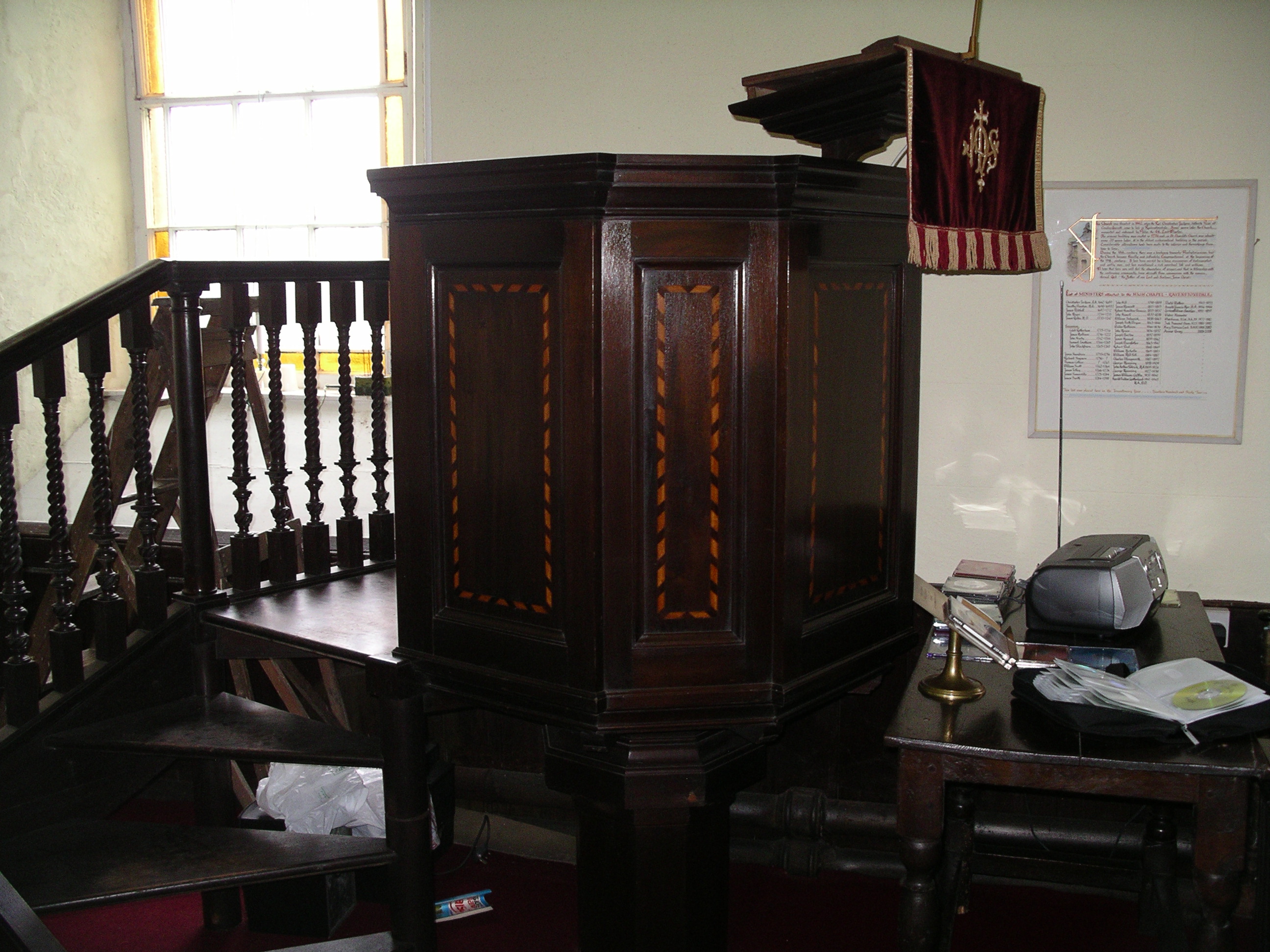
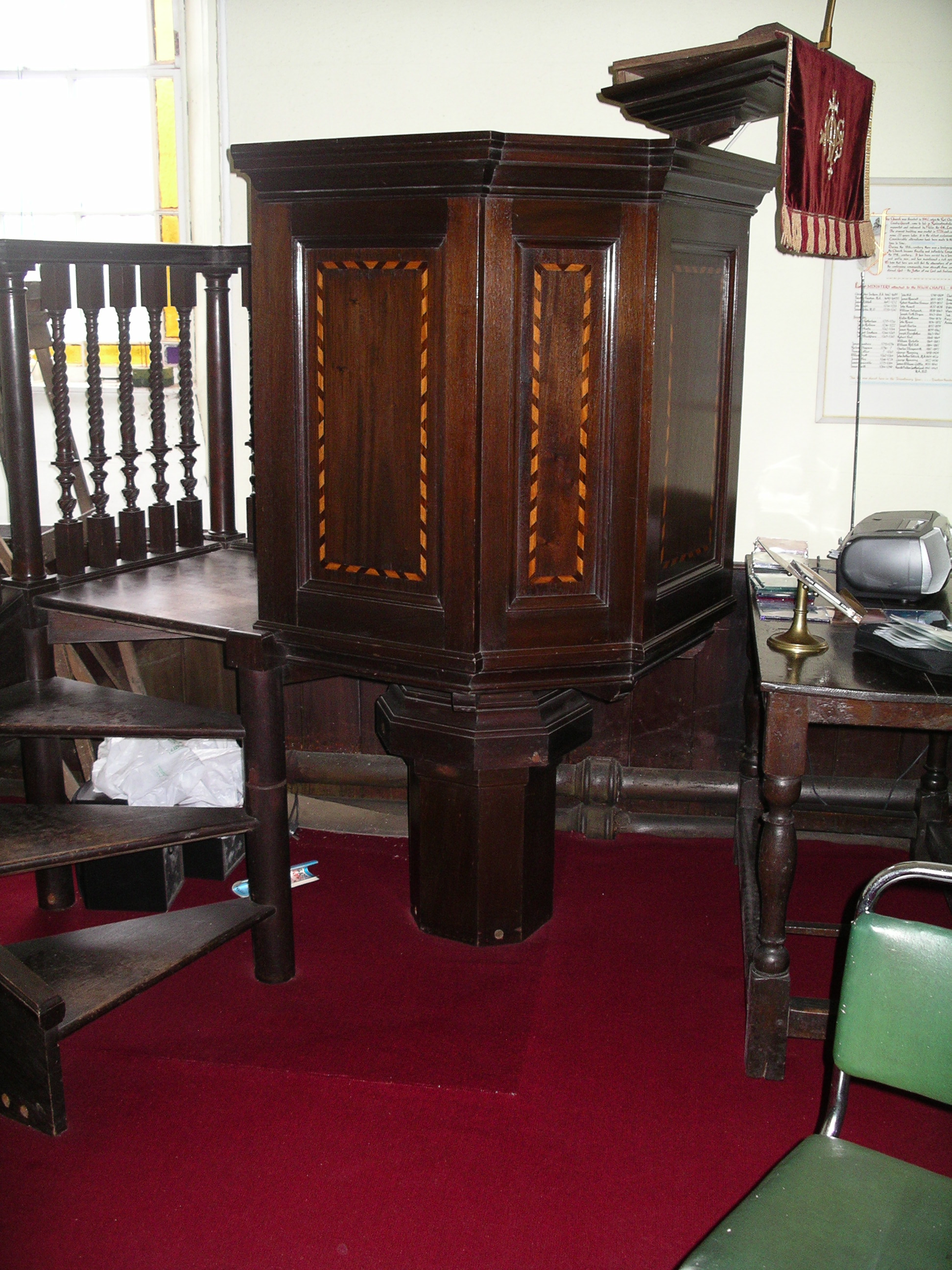
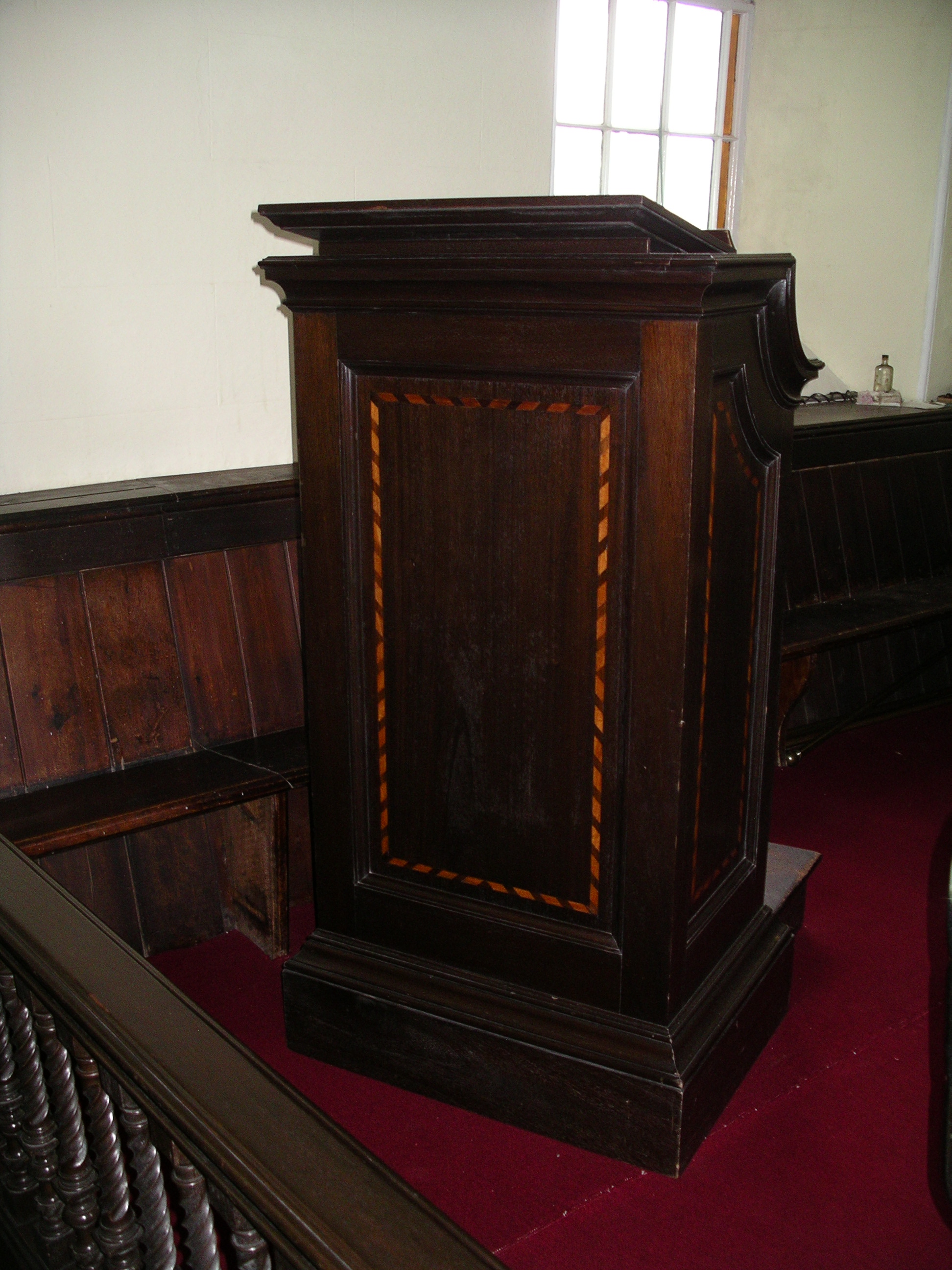
The pulpit, reading desk and communion rails now in High Chapel were designed by him for Cheshunt College. When the College closed the trustees presented these furnishings as a memorial to him in 1967. Visiting preachers and others often speak of the continuity of High Chapel and it is easy to see why. Some of the same surnames persist over many years.
Looking at the gravestones you will see many Hewetsons remembered and this name first appears in the church records (as far as we are aware) in 1727 when Richard Hewetson of Ellergill sold land for the building for £6 and gave £4 towards the building.
Hunter is another familiar name, first mentioned in 1693. The same farm names are there that we know today. All this helps to give a sense of continuity - even a feeling that nothing much changes.
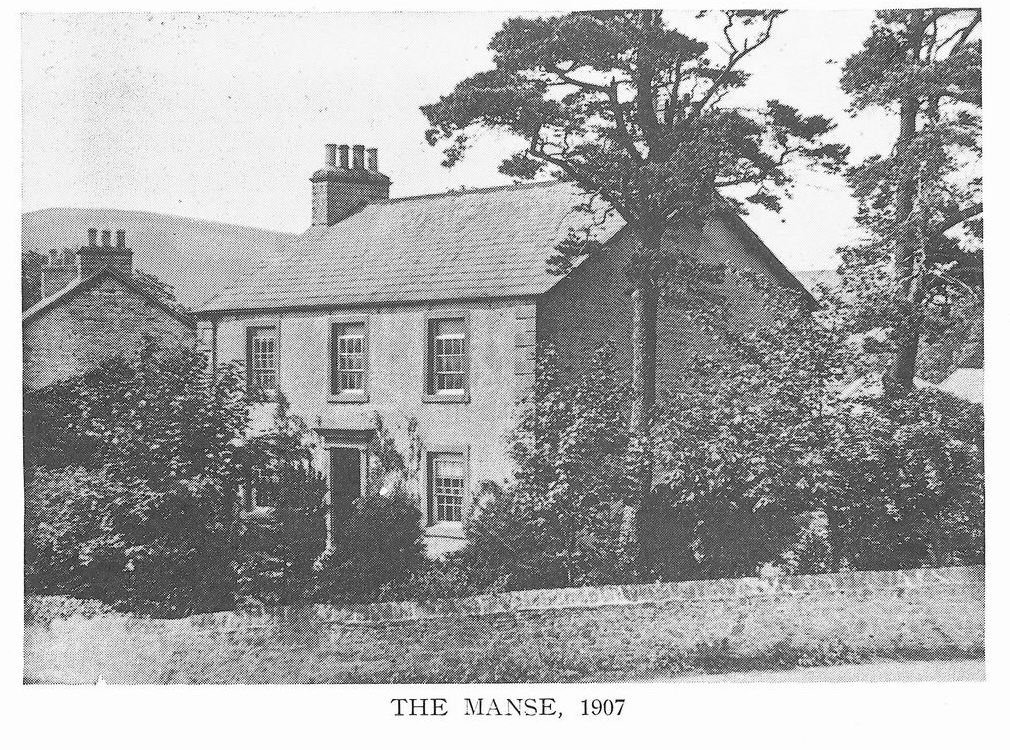
The Manse was built in 1854 and is at the top of the village, replacing an older Manse which was demolished early this century. Sadly as various members moved from the area the Chapel became unviable, with too few in the congregation to maintain the services and the various routine tasks. Because of this the Chapel closed in April 2006. The records of the church, and a detailed history, will be deposited in the County Record Office at Kendal.
“Since the last service, members of the village and interested people have begun to find ways of funding the chapel to remain as a historic building and to find more diverse uses to ensure its future. We have been compassionately assisted in this by the North West Synod of the URC, who are partners in this venture. We hope to keep the Chapel in part as a sacred space, where world weary people can find quiet and solace.” – Frank Chalmers, Assistant Caretaker, 2006.
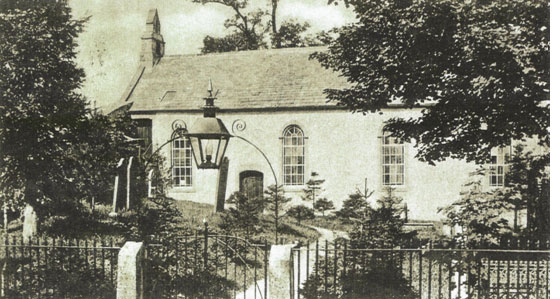
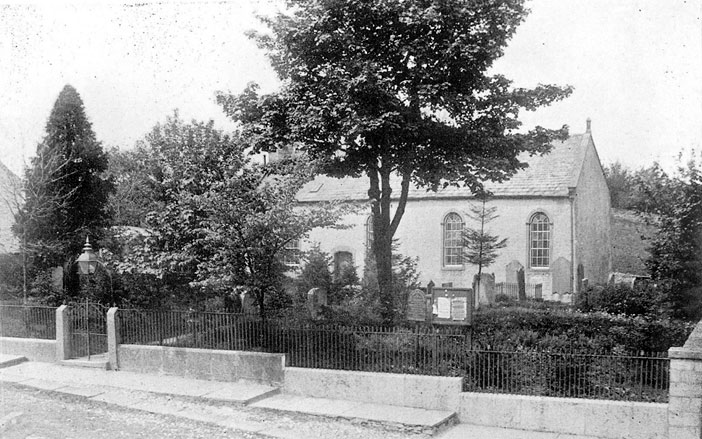
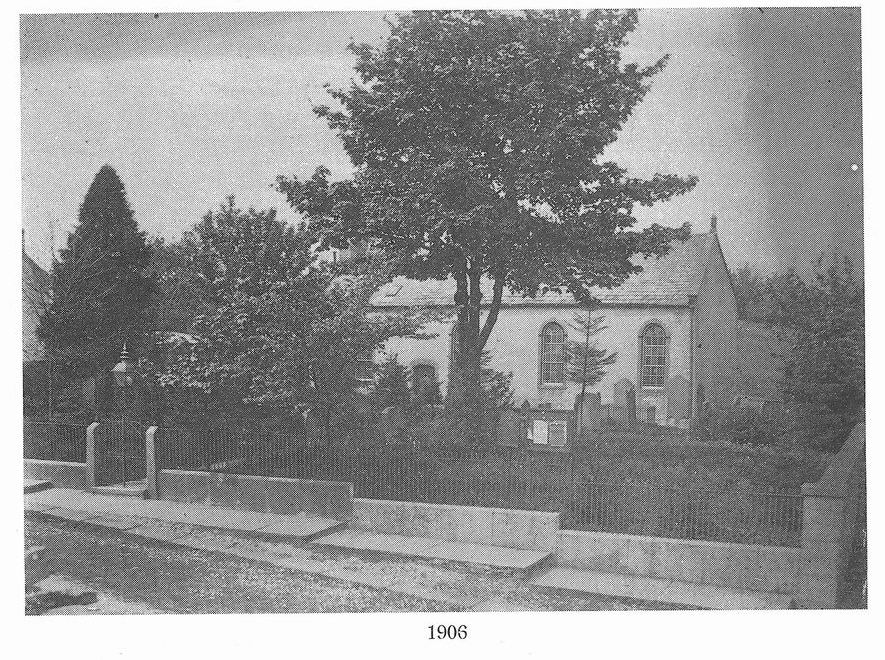
This old photo dated we think 1904, was given by previous congregation member and offered by Roy & Barbara Hopkins of Ravenstonedale. It shows many differences to the current chapel – young trees, the iron lamp holder over the gate (which we hope to replace), entrance door between the first & second tall windows and the first window still complete.
Post Script; in 2007 the URC has offered leasing arrangements that generously allow for a graduated development. The religious”furniture” – lectern, pulpit & communion rails, are to be kept in place until High Chapel’s future is determined.
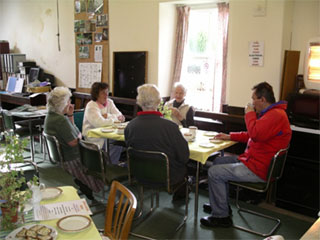
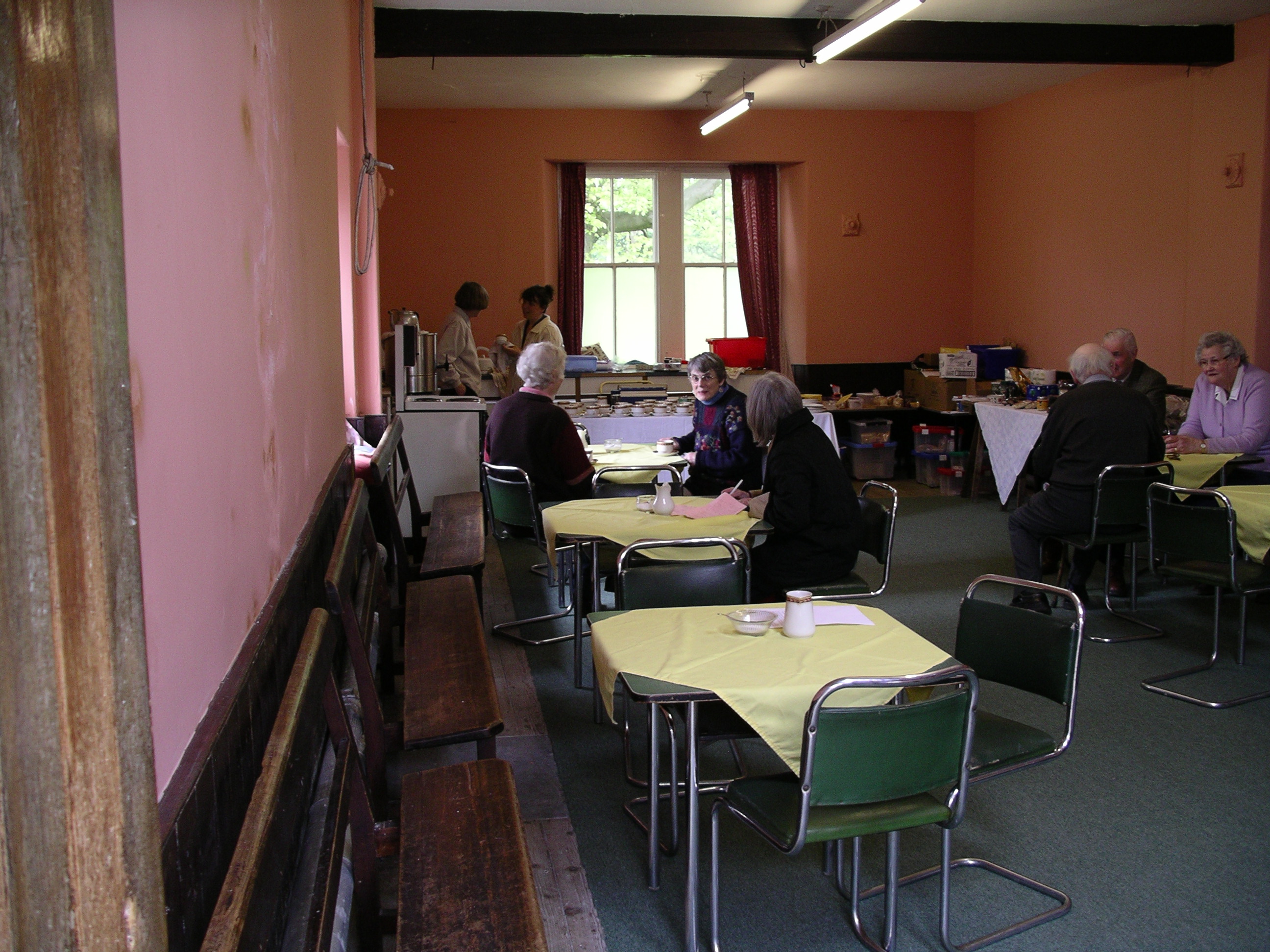
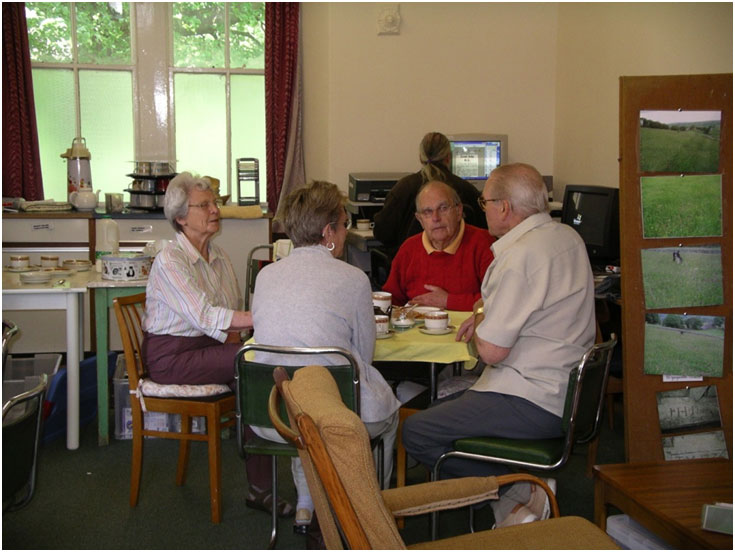
The work by volunteers to preserve, maintain and restore the chapel continues and we now have a regular Wednesday “Open House” where visitors, passer-by and residents can enjoy coffee and conversation or look through the history archives, find out about Red Squirrels and look at any exhibitions or displays. “Open House” was open from 10.30 till 12.00 every Wednesday from February till November.
Title: The Hymns of Wesley and Watts: Five Papers
Creator(s): Manning, Bernard L.
Print Basis: London: The Epworth Press (Edgar C. Barton), 1942, "The Hymns of Wesley and Watts: Five Papers" by Bernard L. Manning, M.A.
Rights: Released into the Public Domain
FOREWORD by REV. HENRY BETT, M.A., LITT.D.
“Bernard Manning was a religious genius, and one of a very uncommon type. He was a unique combination -- a scholar, a wit, a writer with a remarkably effective English style, and an Evangelical believer. It is not often that you find anyone who is all these things at once. His scholarship was never obtruded, but it was always behind all that he wrote. His pleasantly acid wit was a perpetual joy: no one ever poked fun more delightfully at the follies and pretensions of unbelief and at the timidities of conventional religion. But, deeper than all this, there was beneath all that he ever wrote the soul-stirring passion of the Evangelical faith and the Evangelical experience. Methodism owes a special debt of gratitude to Bernard Manning.” (Extract from the text)
Bernard Lord Manning is very well known in non conformist and other circles. His connection to High Chapel is mentioned in Chris Irwin's History. I include a taster of his published work to encourage you to seek to read more of his words, for he was (apart from any other) a preacher of note. It is worth searching on line to find his other published works, which as this forward comments - His pleasantly acid wit was a perpetual joy: no one ever poked fun more delightfully at the follies and pretensions of unbelief and at the timidities of conventional religion.”
 Books by Bernard Lord Manning
Extracts
The beginning of the civil war saw Wharton active in a military capacity - with little success and less glory. The family motto, probably devised by the first baron, was “Plaisir en faits d'armes”. Suitable enough to the first baron, it had little relevance or appeal to the fourth.

At Edgehill in 1642 he commanded a regiment of foot and a troop of horse which was ignominiously swept off the field before Prince Rupert's impetuous charge. Reporting to Parliament Wharton stated “Before there was any near excuse three or four of our regiments fairly ran away - SirWilliam Fairfax's, Sir Henry Cholmley's, my Lord Kimbolton's and, to say the plain truth, my own.” Consequently Wharton was himself accused of cowardice - not merely running away but hiding in a sawpit. In his official report of the engagement to Parliament he accused Prince Rupert of wanton cruelty after the battle was won. In reply Rupert published a pamphlet with the sawpit accusation. Thus started the unpleasant nickname – Sawpit Wharton - which provided his enemies with a taunt for the rest of his life. As well as direct financial gifts Wharton provided employment for several ejected ministers as agents on his estates and managers of the lead mines in Yorkshire. He enabled Christopher Jackson, ejected from Crosby Garrett in Westmorland, to build a meeting house at Ravenstonedale and left £100 in trust to purchase land in the dale to provide an income for him and his successors.28 Similarly he gave two parcels of land near Kirkby Stephen to endow the meeting house which he provided for miners and others at Smarber in Swaledale. The land remains to this day in the hands of the church and provides a useful income.
Wharton also employed his political and legal skill to help Dissenters. He drew up a plan to show friendly Justices how they could get round the rigours of the law and avoid disturbing or prosecuting Dissenting ministers in spite of information given against them.30 He also drew up a paper to show how fines might be avoided by means of various delaying tactics and similar devices.
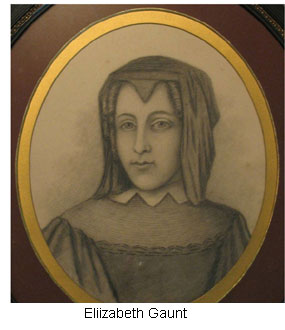
Extract from a talk by Chris Irwin at the final service at the High Chapel, Ravenstonedale, 29th April 2006
©Text Copyright Chris Irwin
“I have been asked this afternoon to say a few words about the history of High Chapel and the part it has played in the Dale for the last 345 years. Fortunately the fascinating and complex history of this ancient meeting has been extremely well recorded by the late Cecil J. Woodger. In 1662 the ejected vicar of Crosby Garrett, the Reverend Christopher Jackson came to live in Ravenstonedale, offered sanctuary and a small income by the fourth Baron Wharton. Wharton himself was what we would call a liberal (with a small l) but seems to have sufficient influence both with the Commonwealth and the Crown to have protected his protégés during both regimes. From his arrival Jackson seems to have gathered around him a small group determined to worship God in the manner they felt was appropriate. Details are hard to come by.”
“This is not surprising if we remember that during the reigns of Charles II and James II some 60,000 persons were persecuted for their non-conformity. Of these 5,000 died in prison and many others were banished or sold for slaves. One native of the Dale, Elizabeth Gaunt, was even burnt at the stake for harbouring a religious fugitive. So we can see that it was a very brave group of Christians who gathered together in one or the other’s house to pray.”
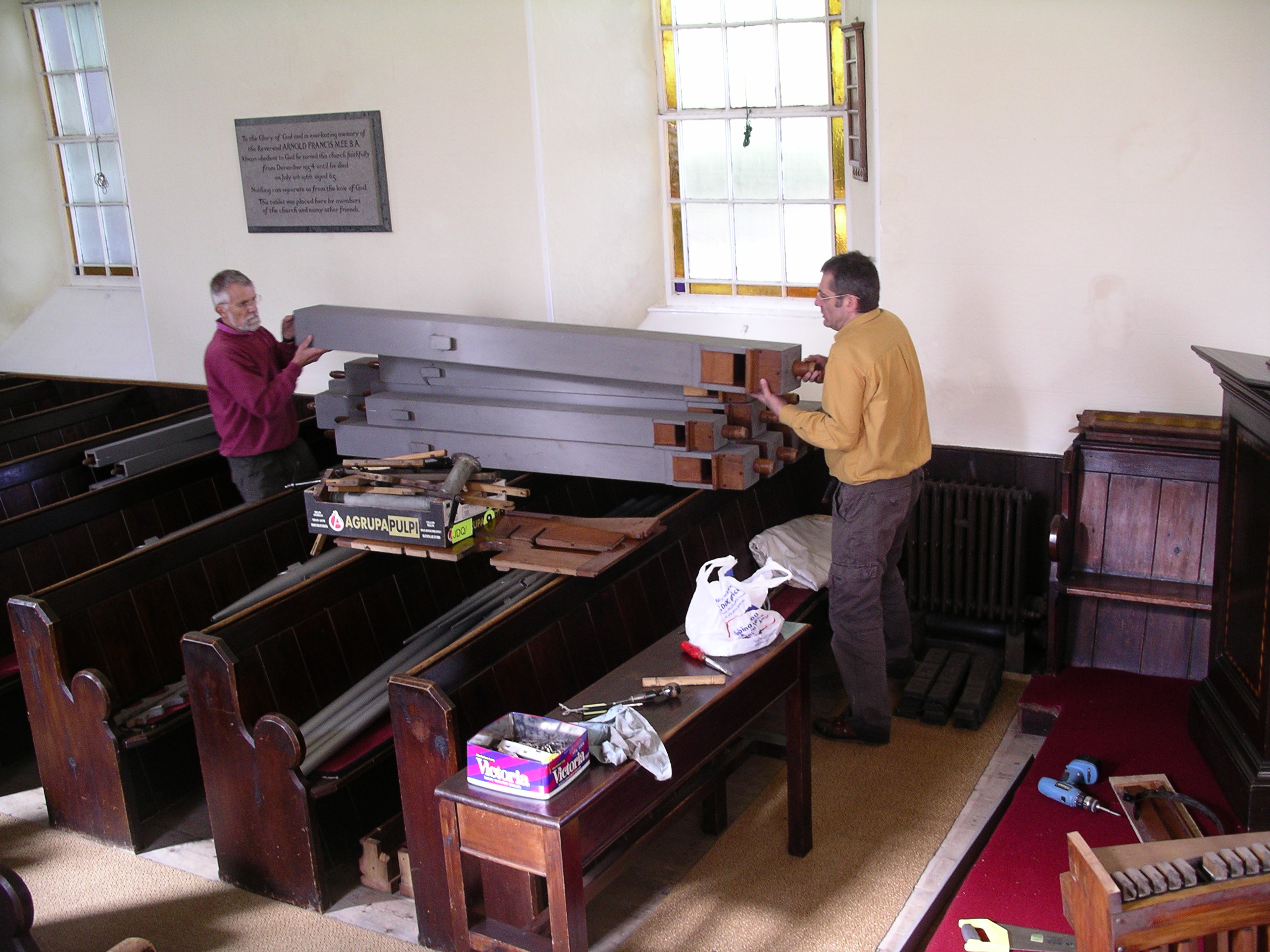
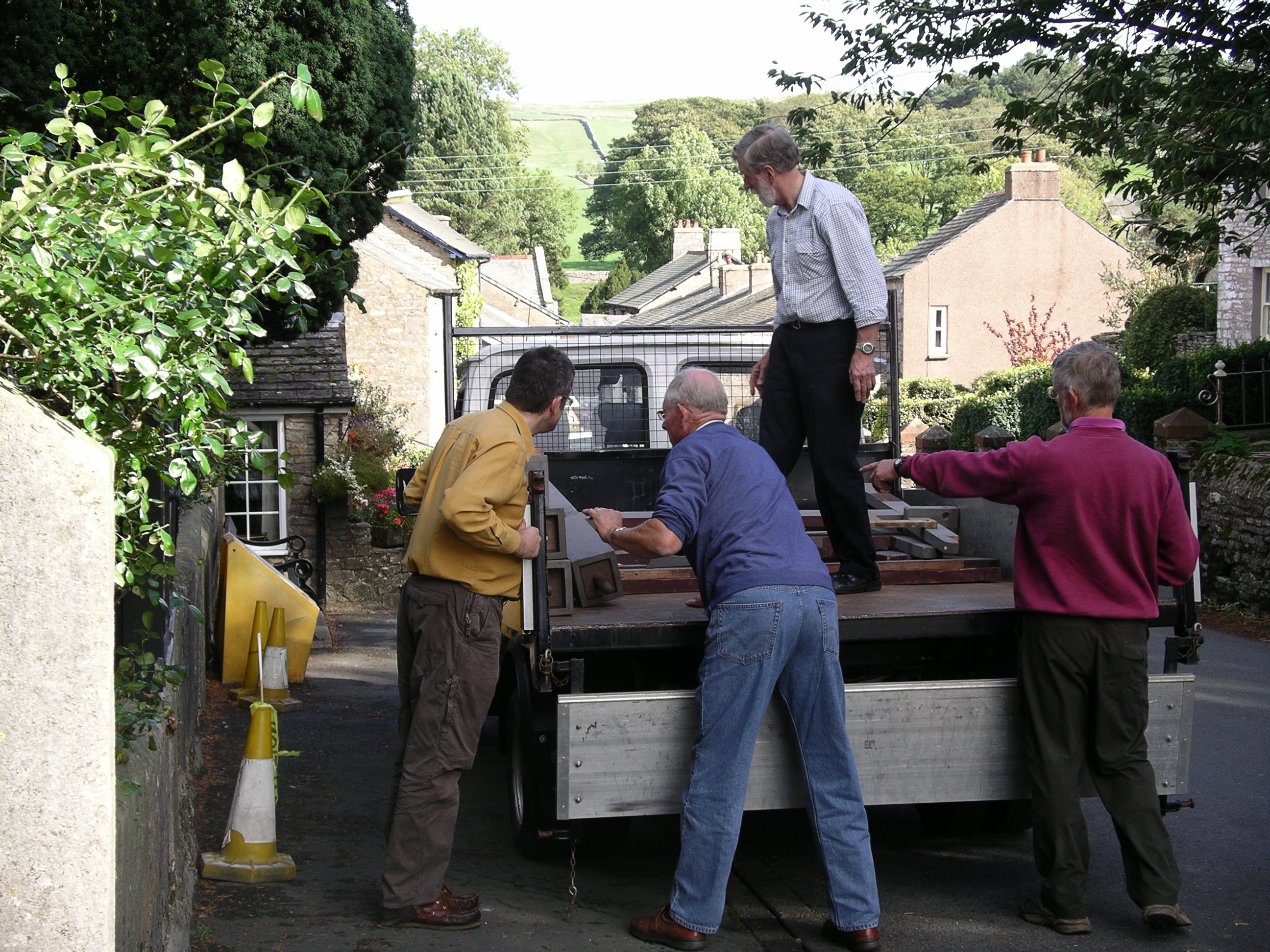
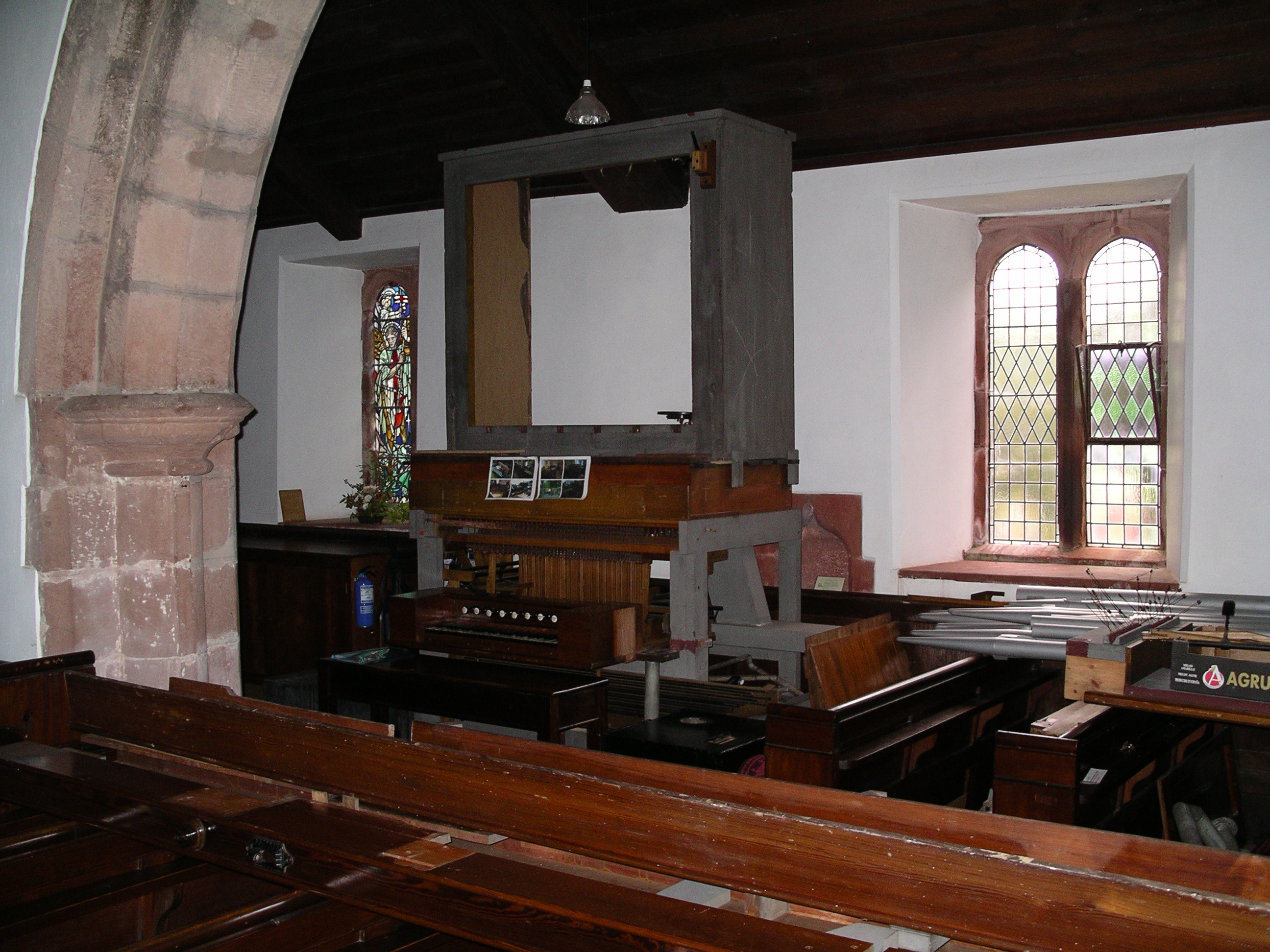
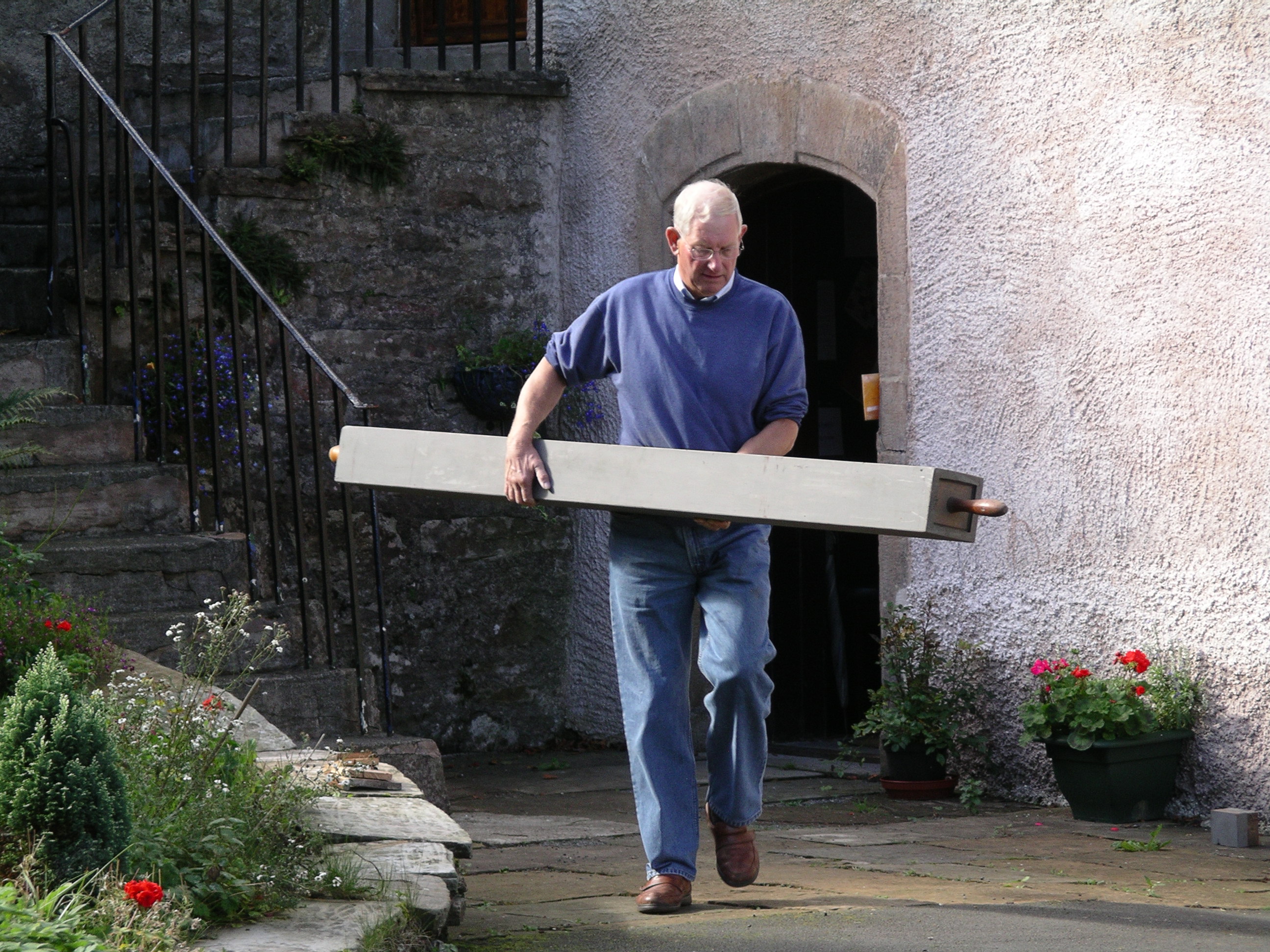
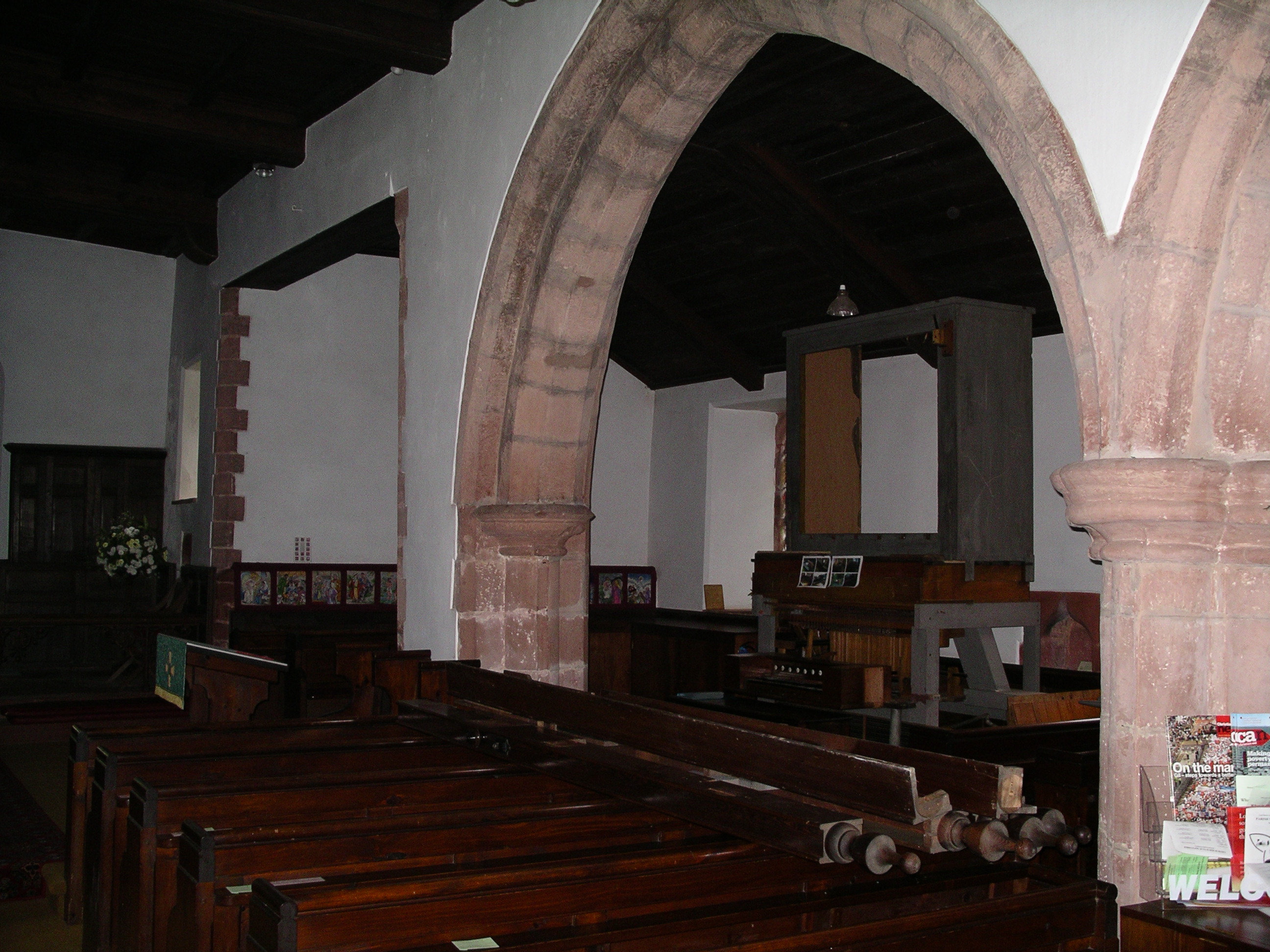
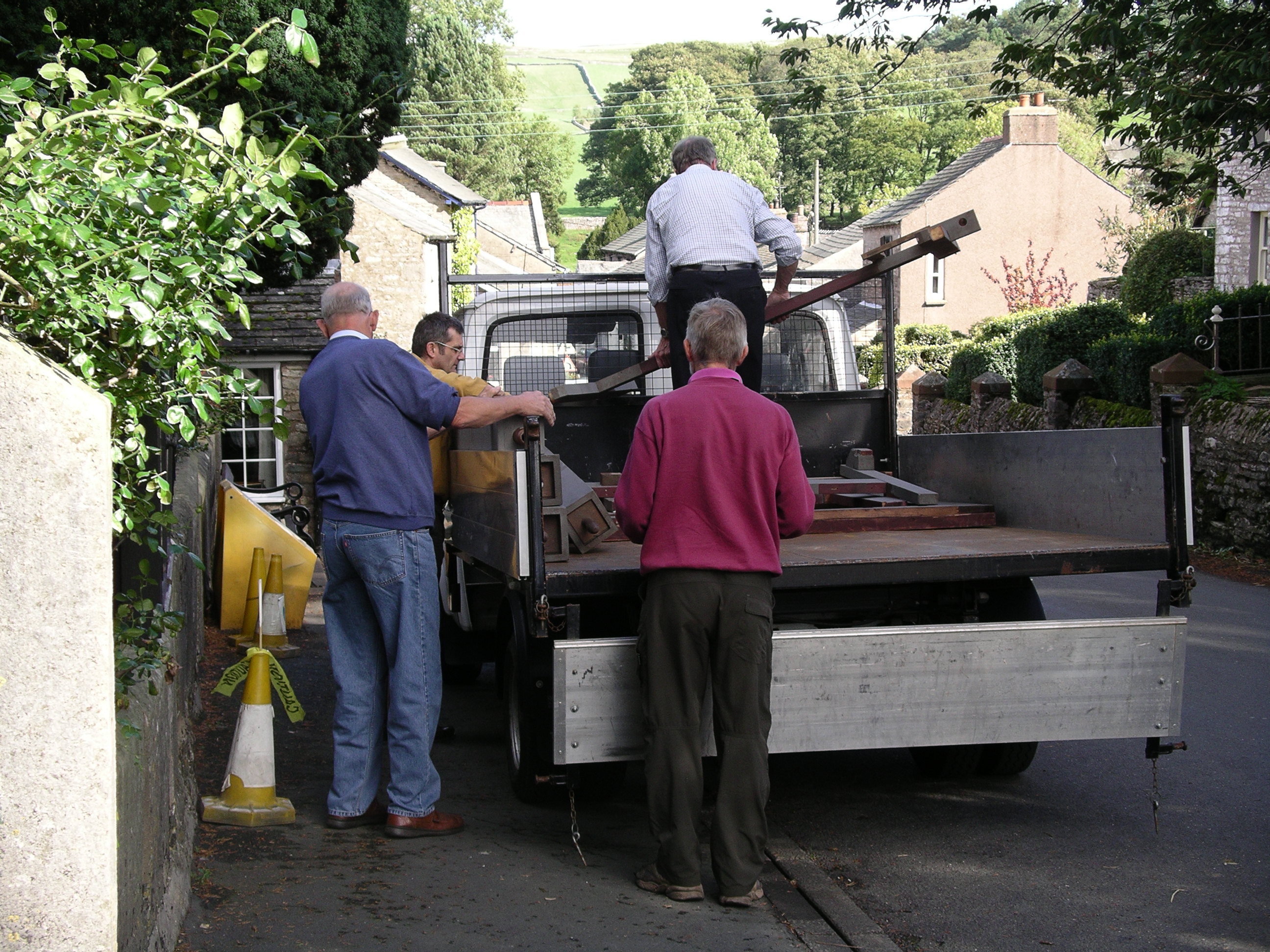
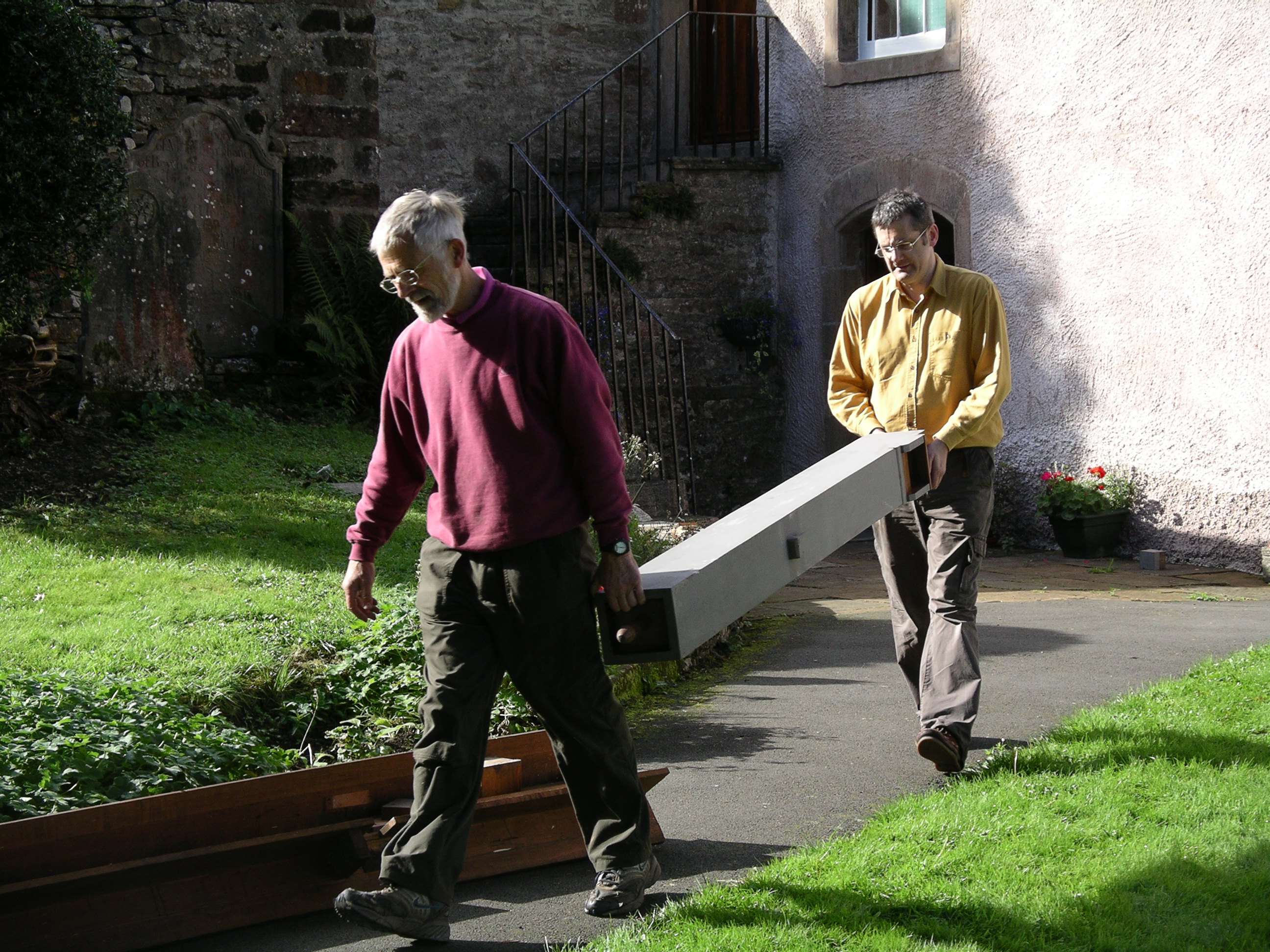
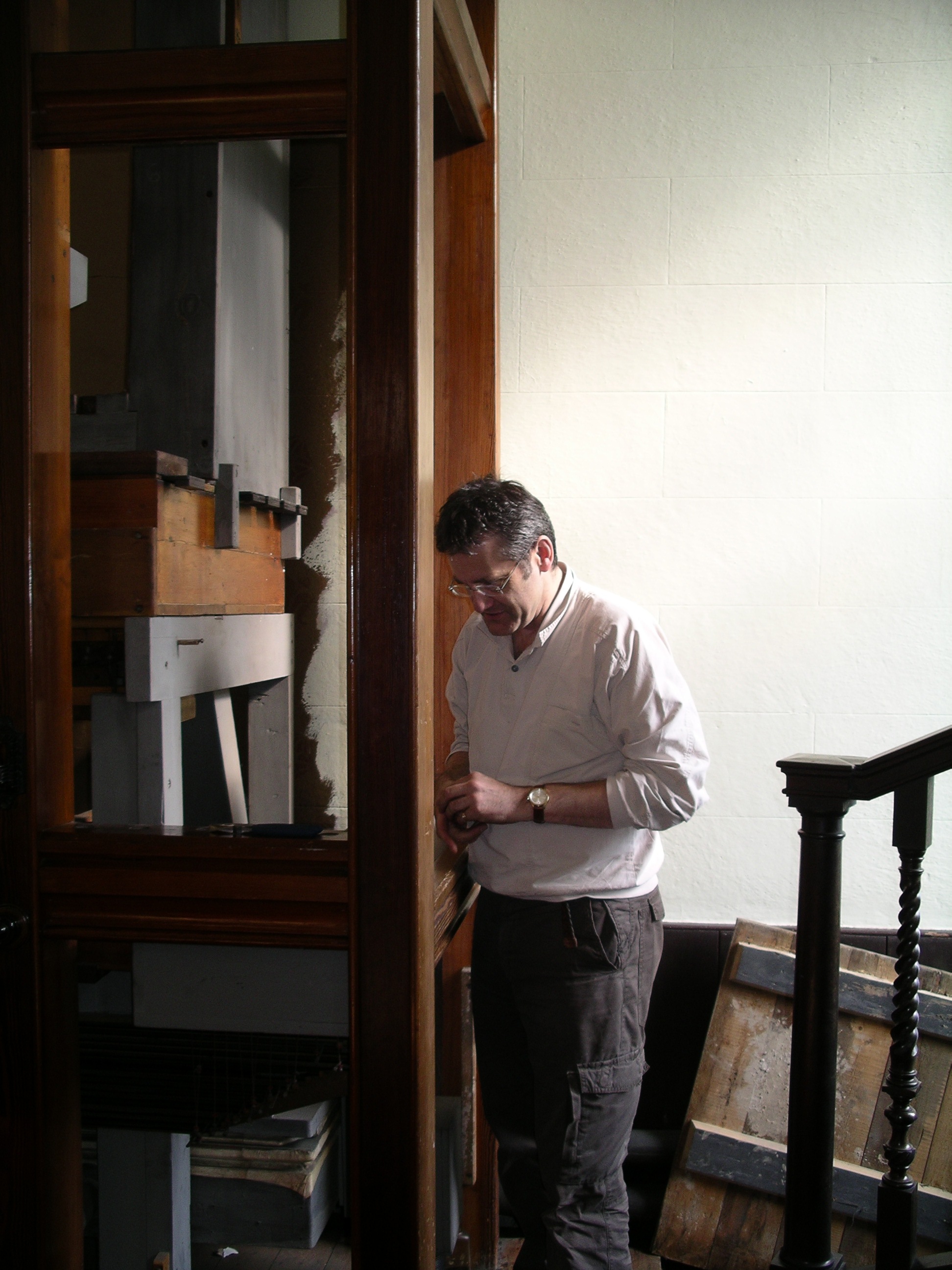
Built for the chapel, played for the last time in High Chapel, before being moved to Milburn Parish Church. Images of its removal including Leigh Harding dismantling organ…

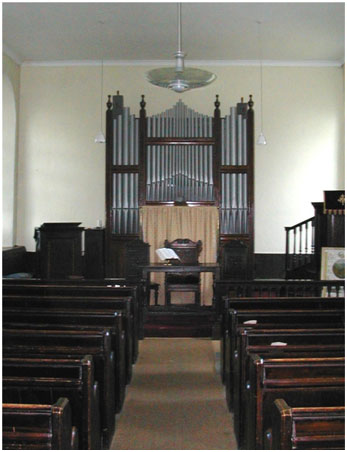
Ravenstonedale now has one less organ – it has been transplanted to St Cuthbert’s in Milburn. It seems that High Chapel carried a donor card and so St Cuthbert’s who were on the organ transplant waiting list were a perfect match. The operation is going smoothly and the preparation by surgeon Leigh Harding (from Appleby) enabled a successful removal operation, so far. The organ will now be “kept on ice” and shortly be connected to St Cuthbert’s. This should be before Christmas. Due to the care in preparation, no rejection or other complication is expected. The scar tissue in High Chapel is mending rapidly and there has been no MRSA. With a bit of cosmetic surgery there should be no residual scar – just a bit of new carpet and some emulsion.
Leigh Harding, 51 who teaches music always wanted to be an organ builder, but was advised against it by his careers teacher (Careers Advisers get a lot of “Stick” for a 15 minute interview!). He carried on with his “vocation” in the school holidays, working with an organ builder locally. He has dismantled around 25 organs and re-built 12 (organ re-building has not been popular for some years). Ravenstonedale, he commented is unusual, in that it has two good organs and a harmonium – rather a lot for a small village. He was complimentary about the High Chapel organ which was built in 1906/8 by Wordsworth & Co. of Leeds (originally Wordsworth & Maskell), who he said had an excellent pedigree. He was also full of praise for St Oswald’s organ built by Harrison & Harrison, before they became celebrated in the world of organ builders. With one organ gone we will all have to sing LOUDER. Amen.
Roll cursor over image to see title. Click on any image to enlarge.


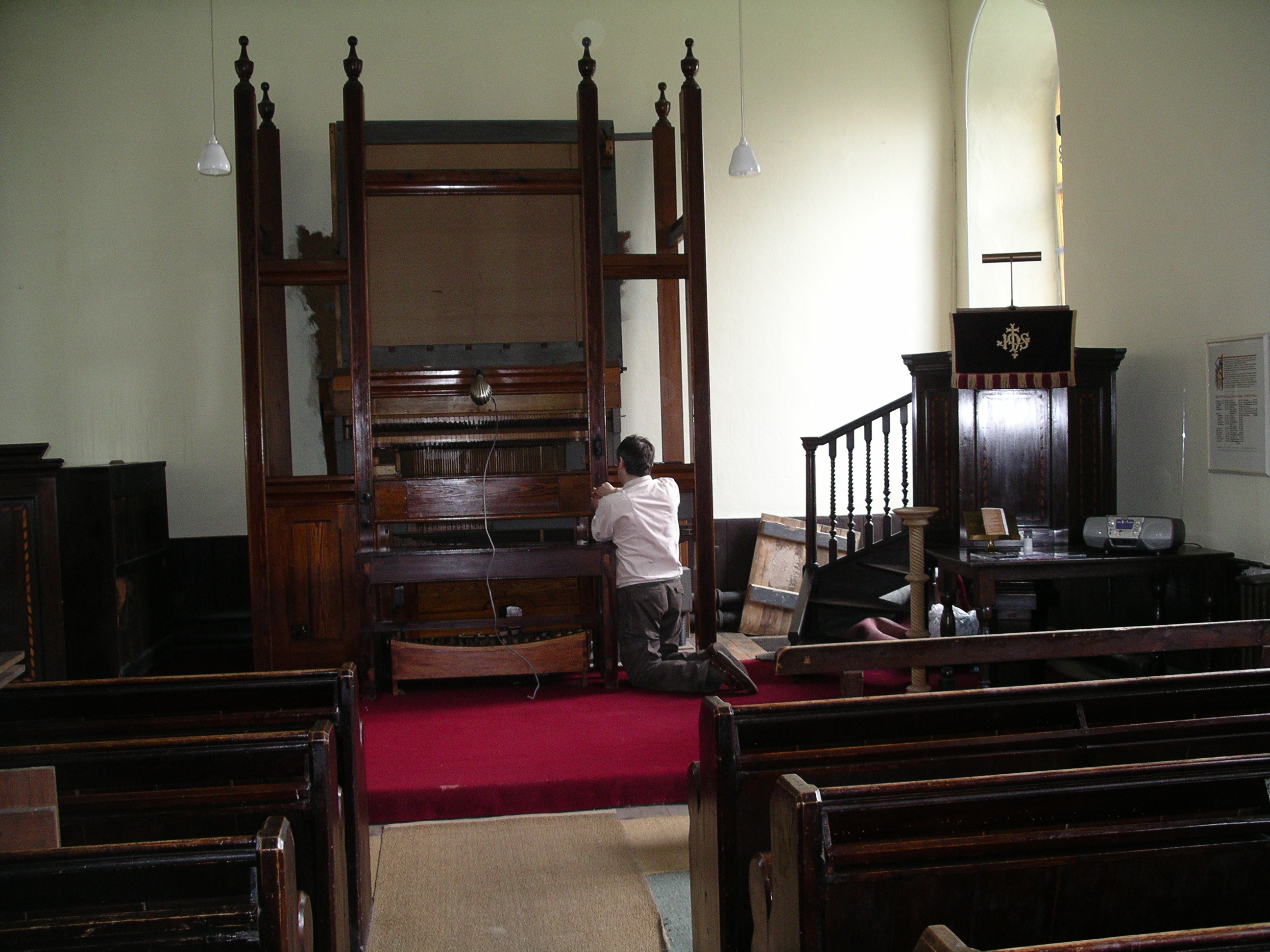


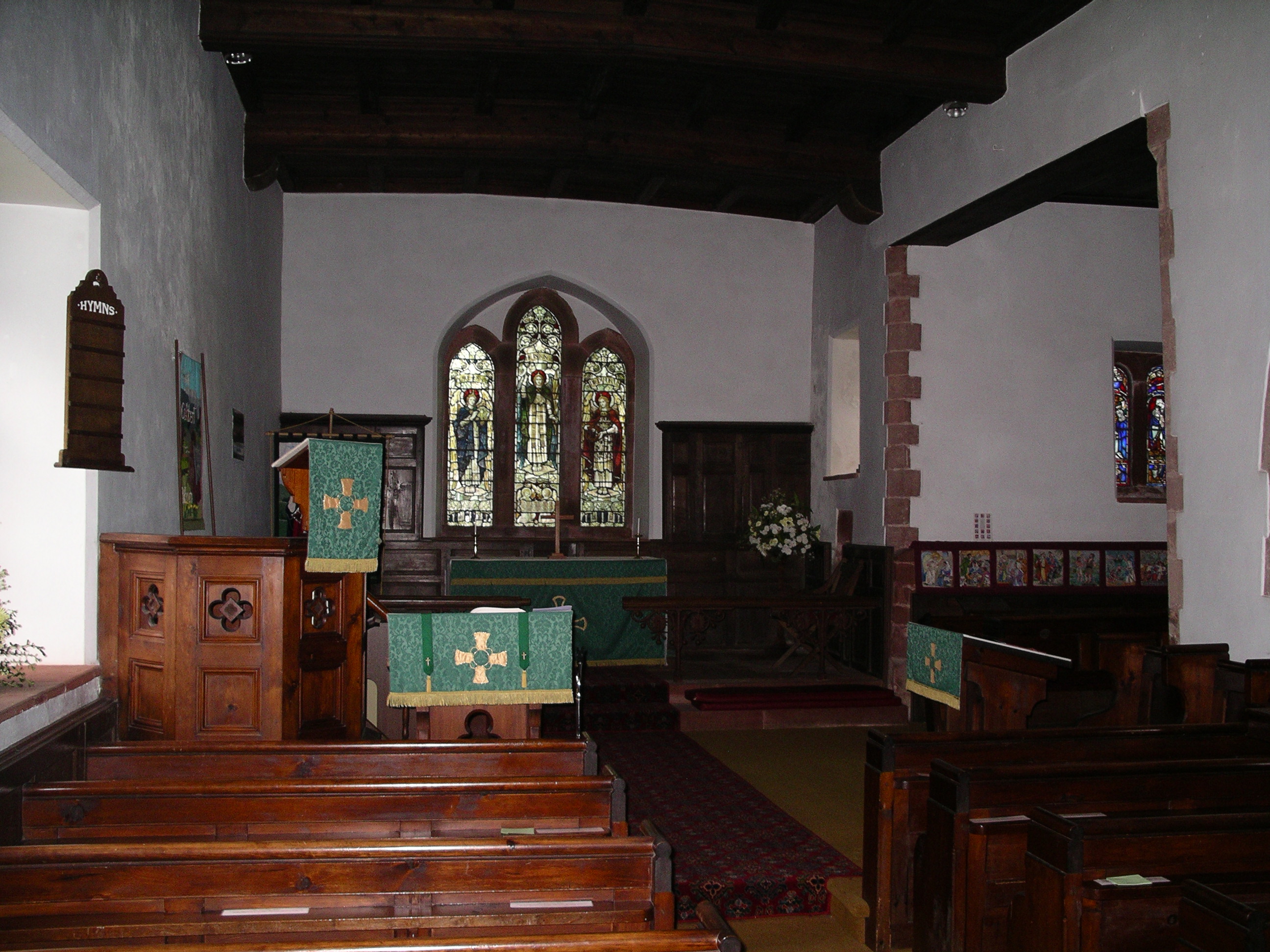









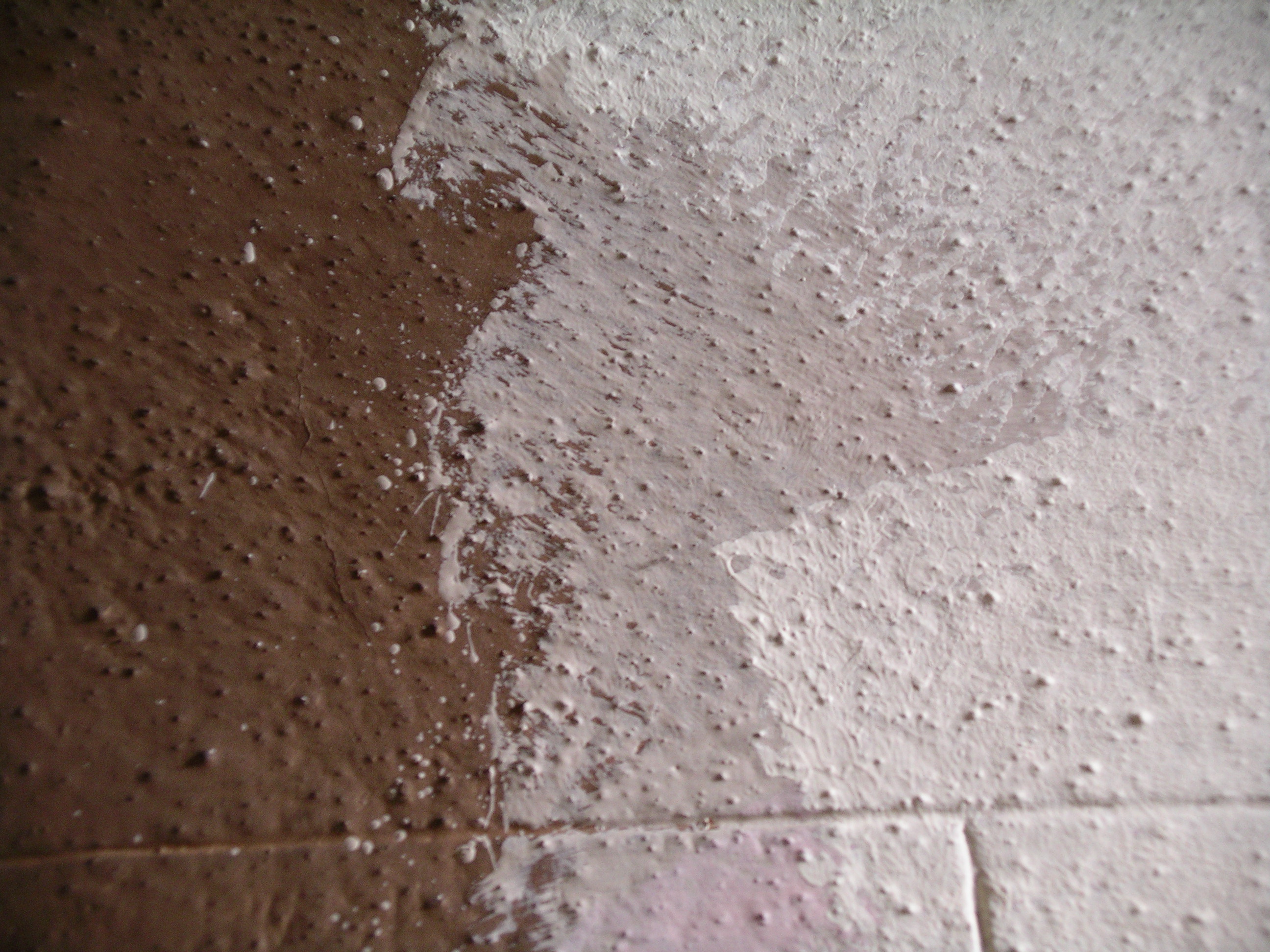
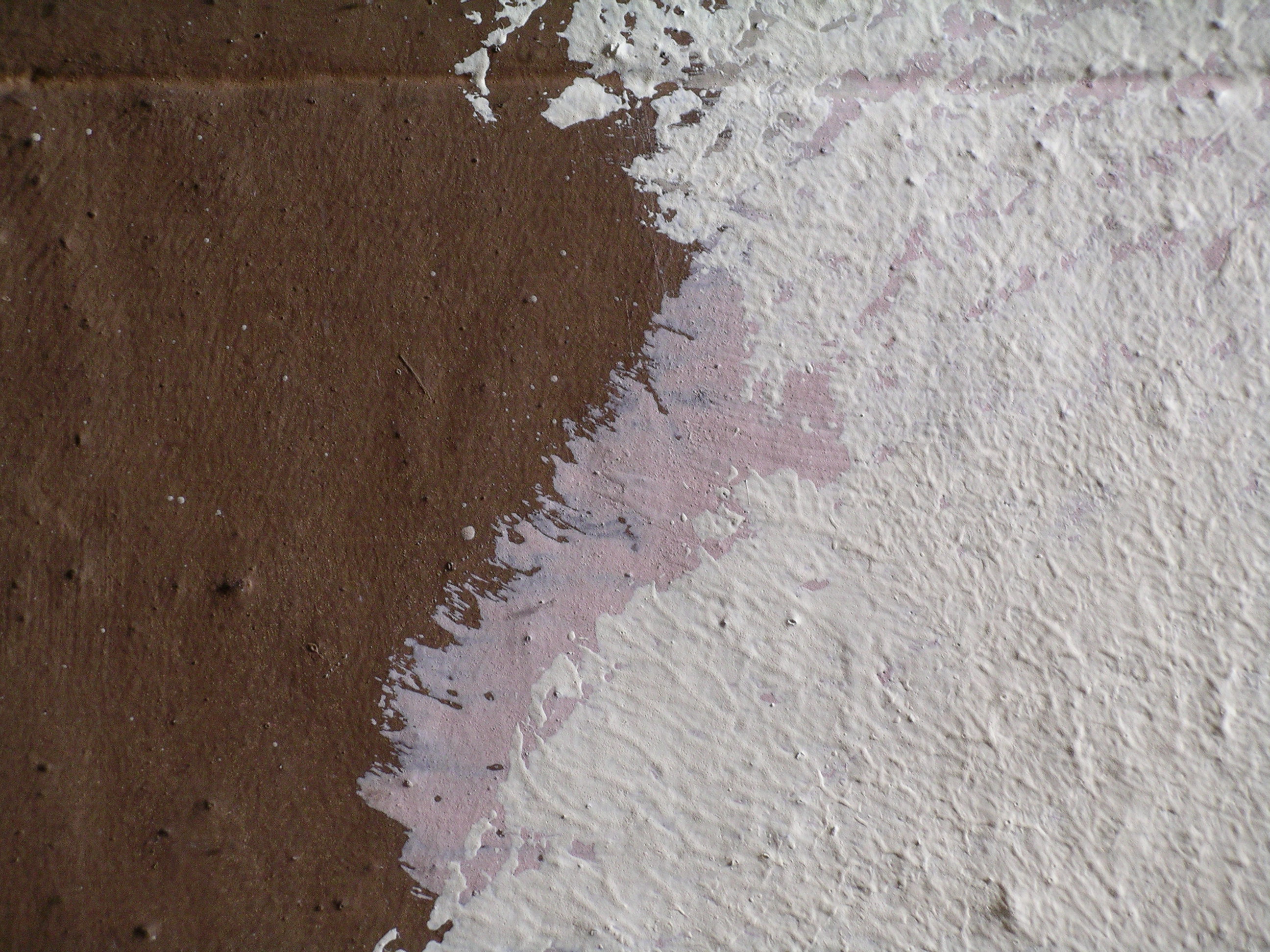
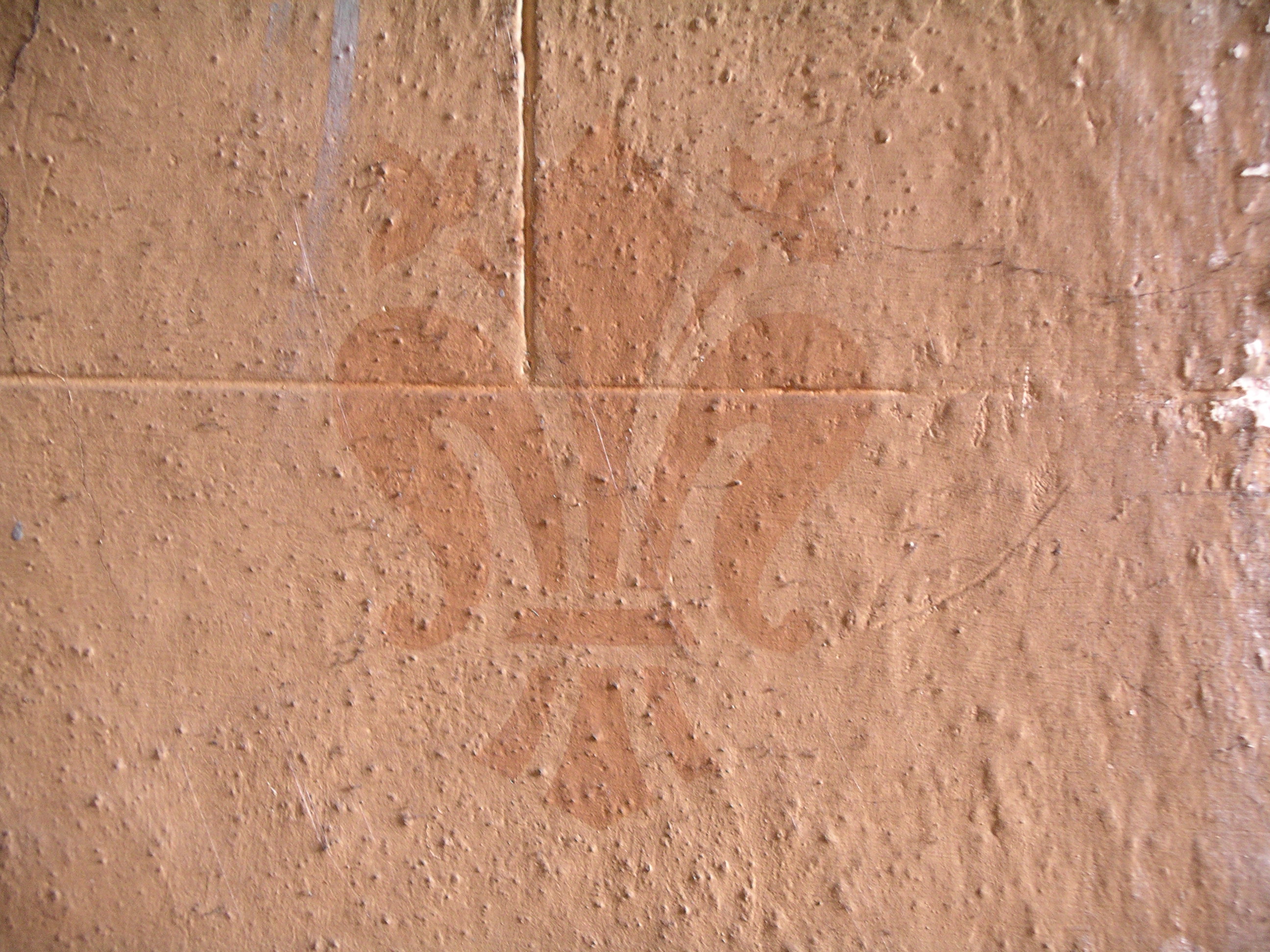
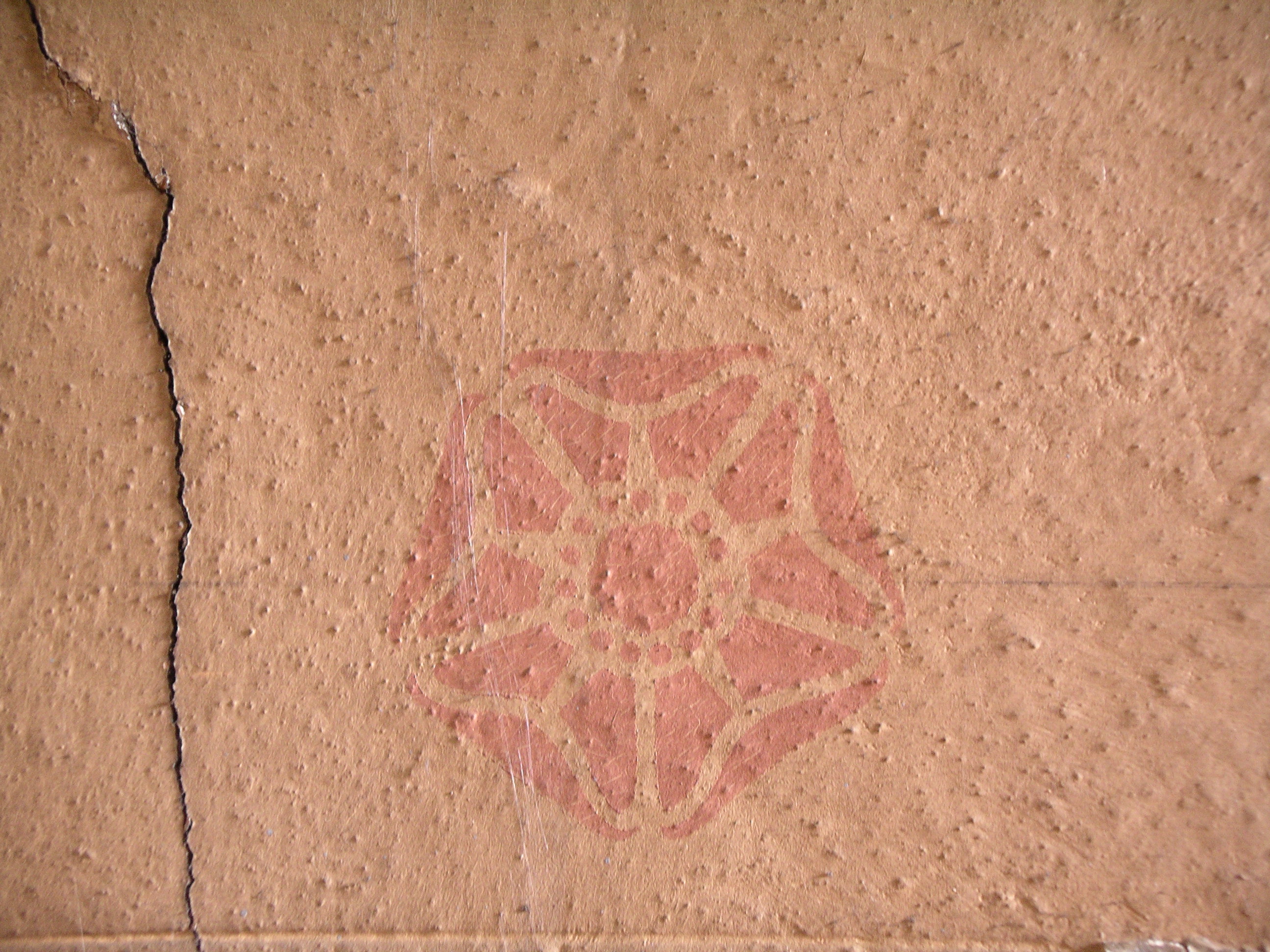
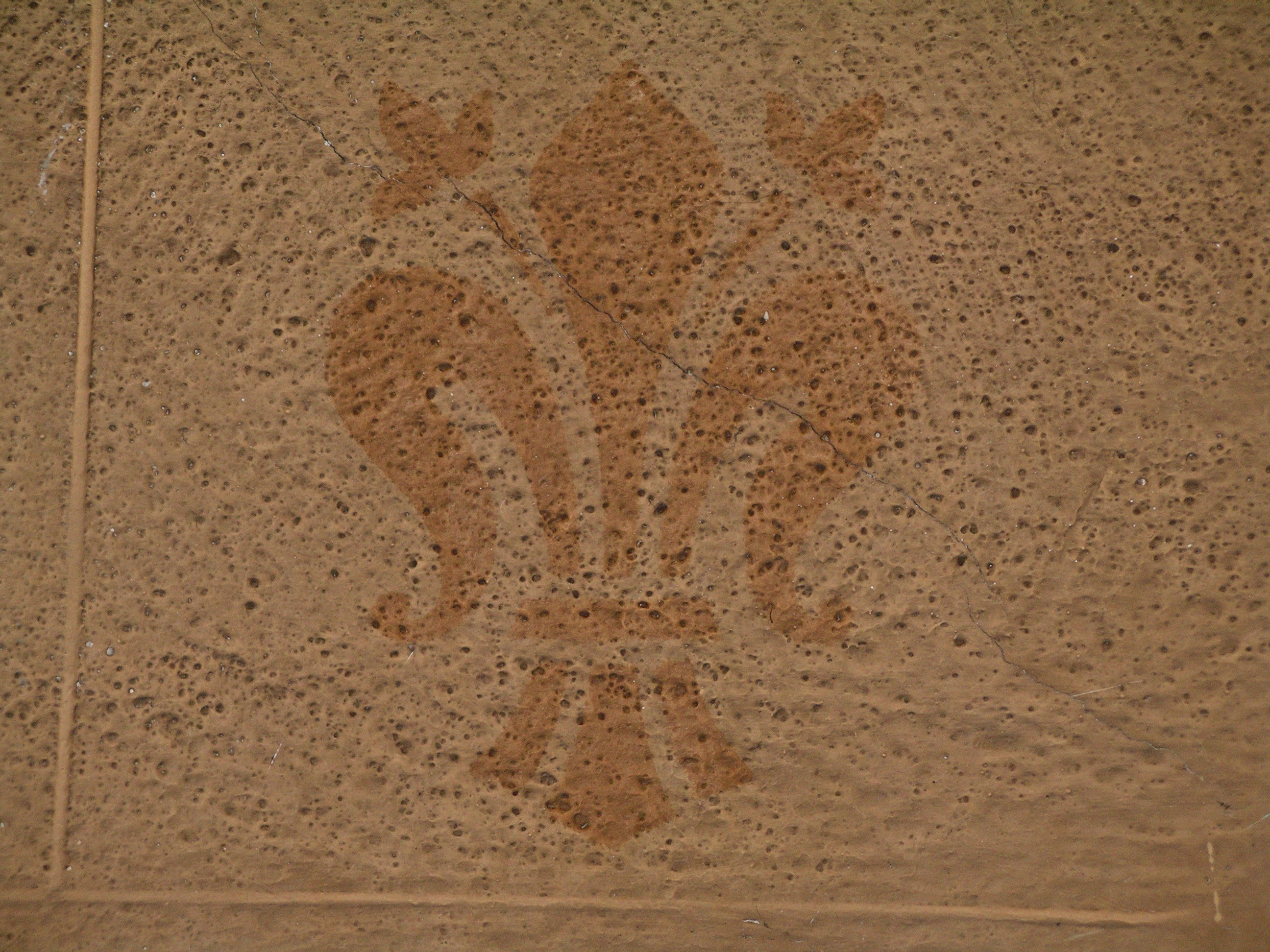
Behind the organ we found the old wall decorations – high band of colour, thick and thin strips, Red Roses and yellow or golden Fleur de Lys, covering the whole wall beneath the high border.
A short movie of the old chapel decoration
Roll cursor over image to see title. Click on any image to enlarge.
Woodger and Hunter wrote a beautiful book about High Chapel, indeed, High Chapel seems to have inspired people at various times – such as the estimable Revd. Nichols – The History and Traditions of Ravenstonedale (Vols 1 & 2). Nicholls wrote several books in a similar vein about Mallerstang and Prestwich (Manchester).
Roll cursor over image to see title. Click on any image to enlarge.



The Manse Sept 14th 1877.
Extract.
In presenting you with the history of Ravenstonedale I shall first attempt the etymology of its name by noticing the different derivations which have been suggested, and then furnishing you with the one which I accept, together with my reasons for accepting it. The derivation given by Burns and Nicholson, in their "History of Westmorland," is that our Dale takes its name from a brook flowing through it, called the Raven; but, after careful inquiry and the examination of the oldest MSS. of the parish, I cannot learn that there is, or ever has been, a beck in the dale called by that name. Then another attempted etymology is that there is a dark grey stone in our dale called the Ravenstone, and for this etymology I have the influential authority of the Rev. R. Robinson, of Mallerstang ; but concerning this, too, I have made inquiry, and cannot find that in Scandale Gill, where it is said to be, there is any such stone. These are the only two etymologies, I believe, which have appeared in print, and neither of them I satisfactory. But some of you with whom I have conversed have asked," Does it not refer to a raven on a stone?" and, though I was at first sceptical of such an etymology and was disposed to look for an explanation less manifestly on the surface, I am now inclined to think that the easiest and most apparent etymology is the true one. I was not aware until informed of it by Mr. William Metcalfe, in a note written to his father on this subject, that the word " Ravenstone" is used by Lord Byron, but I find it is in the following passage:
"Do not think I'll honour you so much as save your throat
From the Ravenstone by choking you myself."
And in a note, explanatory of Ravenstone, Lord Byron says that " The Ravenstone (Rabenstein) is the stone gibbet of Germany, and so called from the ravens perching on it." To this day we have Gallows Hill as a feature in our dale, where, up to comparatively modern times, capital punishment was inflicted, and possibly in very early days, of which we have no historical record, executions were frequent here; and the essential stone was often occupied by the raven, which is a carrion bird. Hence the distinguishing name of our dale cam to be Ravenstonedale.
Download History and Traditions of Ravenstonedale (pdf)
The PDF version contains the entire volume, with a hand written note from the author, re calling happy times in Liverpool in 1894
Revd Nicholls also wrote in the same series – History and Traditions of Ravenstonedale Vol1 & 2, also Mallerstang Forest and Pendragon Castle, also Prestwich.
Kindly donated by Margaret Atkinson, Previously Elder of High Chapel.
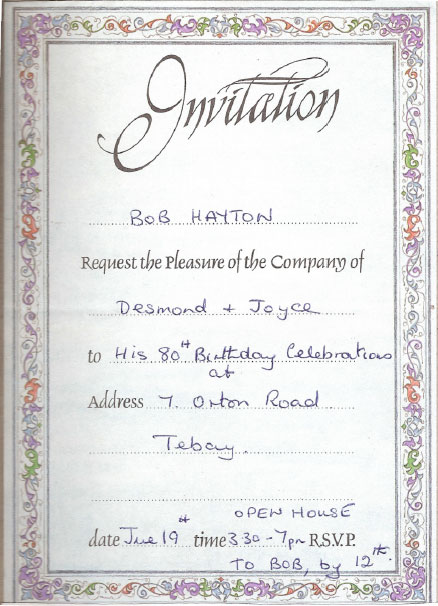
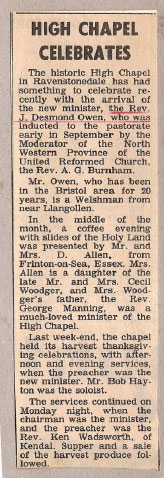
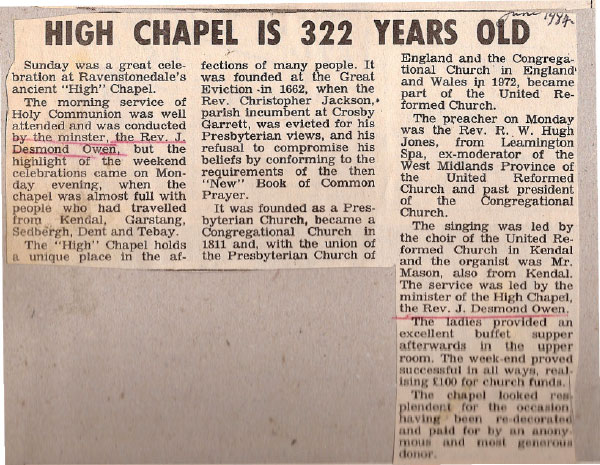
The Revd Desmond Owen and his wife, apart from being Minister and wife of High Chapel, diligently pasted articles and newspaper pieces into 10 books – some of these images are reproduced here.
From Revd Desmond Owen and his wife’s scrap books.Roll cursor over image to see title. Click on image to enlarge.
Click on image to link to enlarged PDF scan
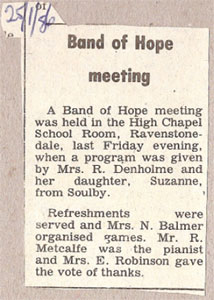
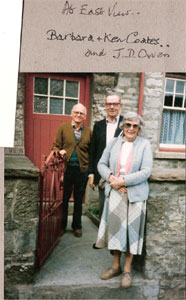
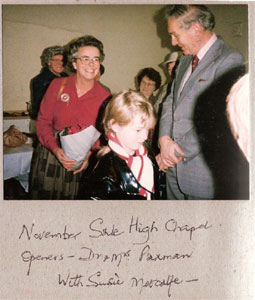
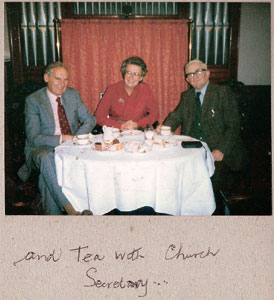

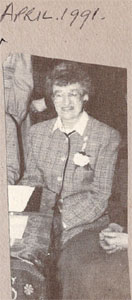

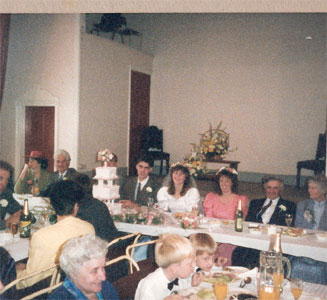
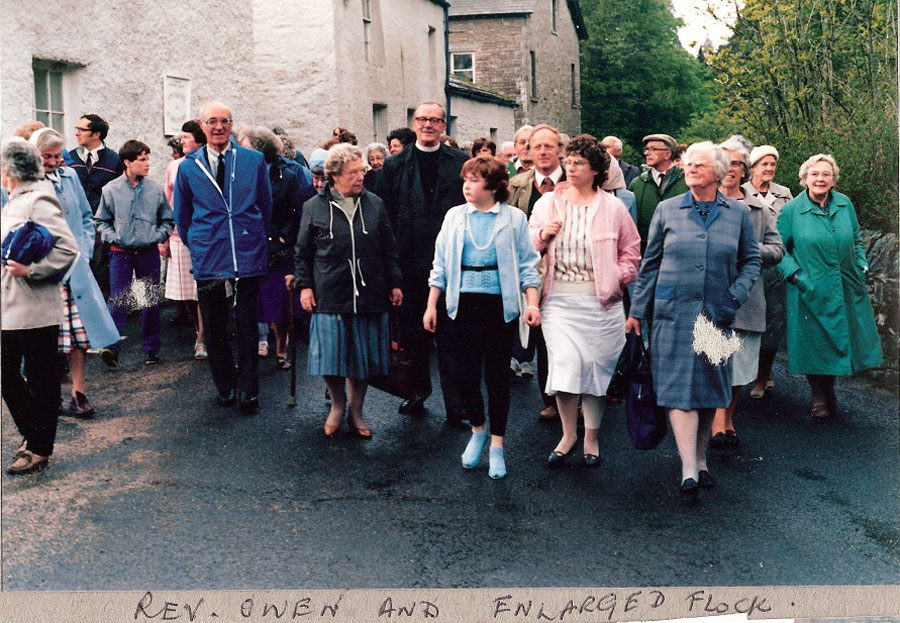
History has always played a significant part in the life and times of High Chapel. Apart from its inception and dangerous birth, apart from its importance as the oldest non conformist chapel (in the north?), apart from the illustrious Ministers – history has been a rollercoaster, ups and downs. Some of the exhibitions held to attract funds have included a Historical theme – and this gallery of photos from 2005, illustrates how this was achieved.


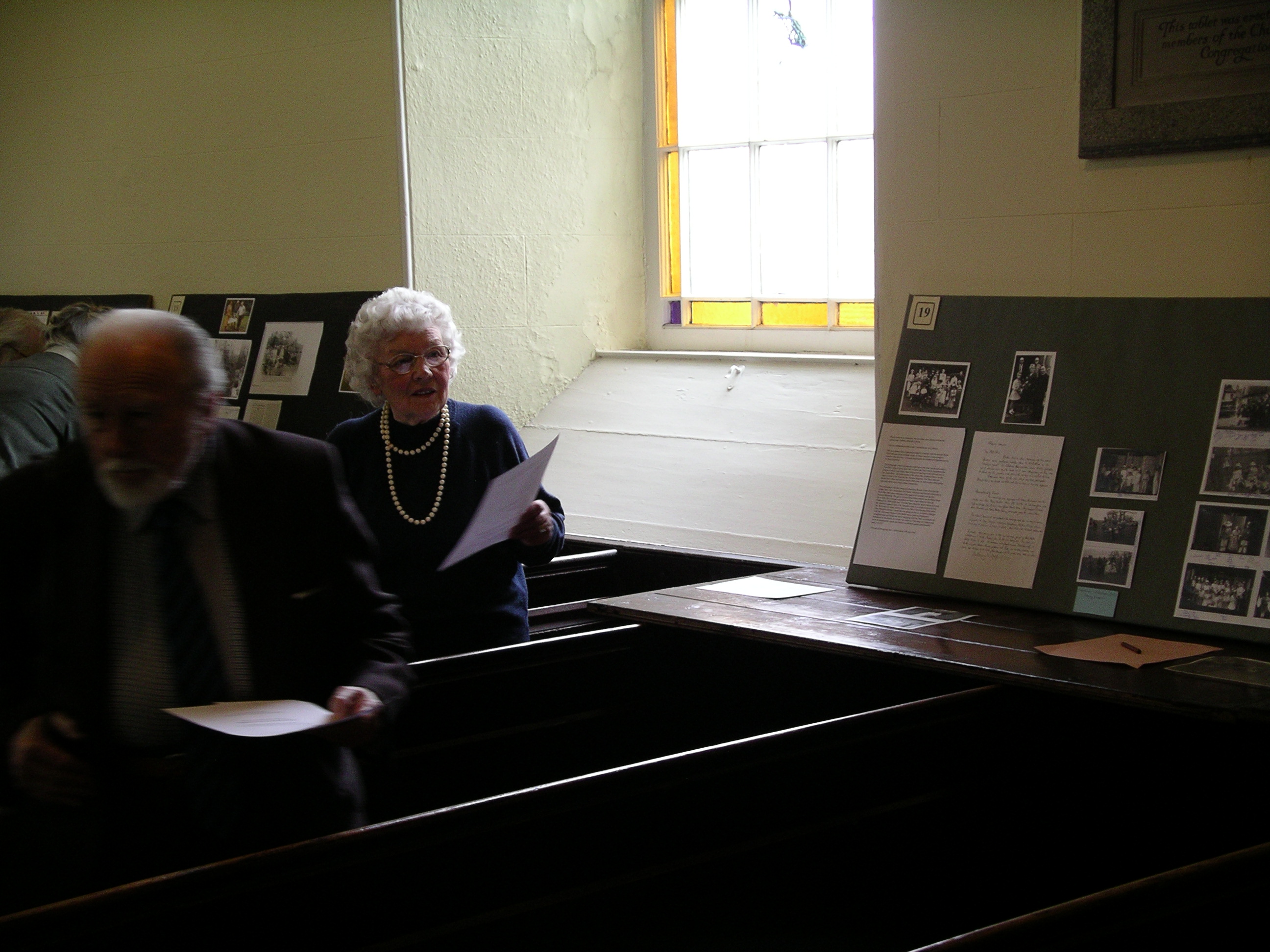

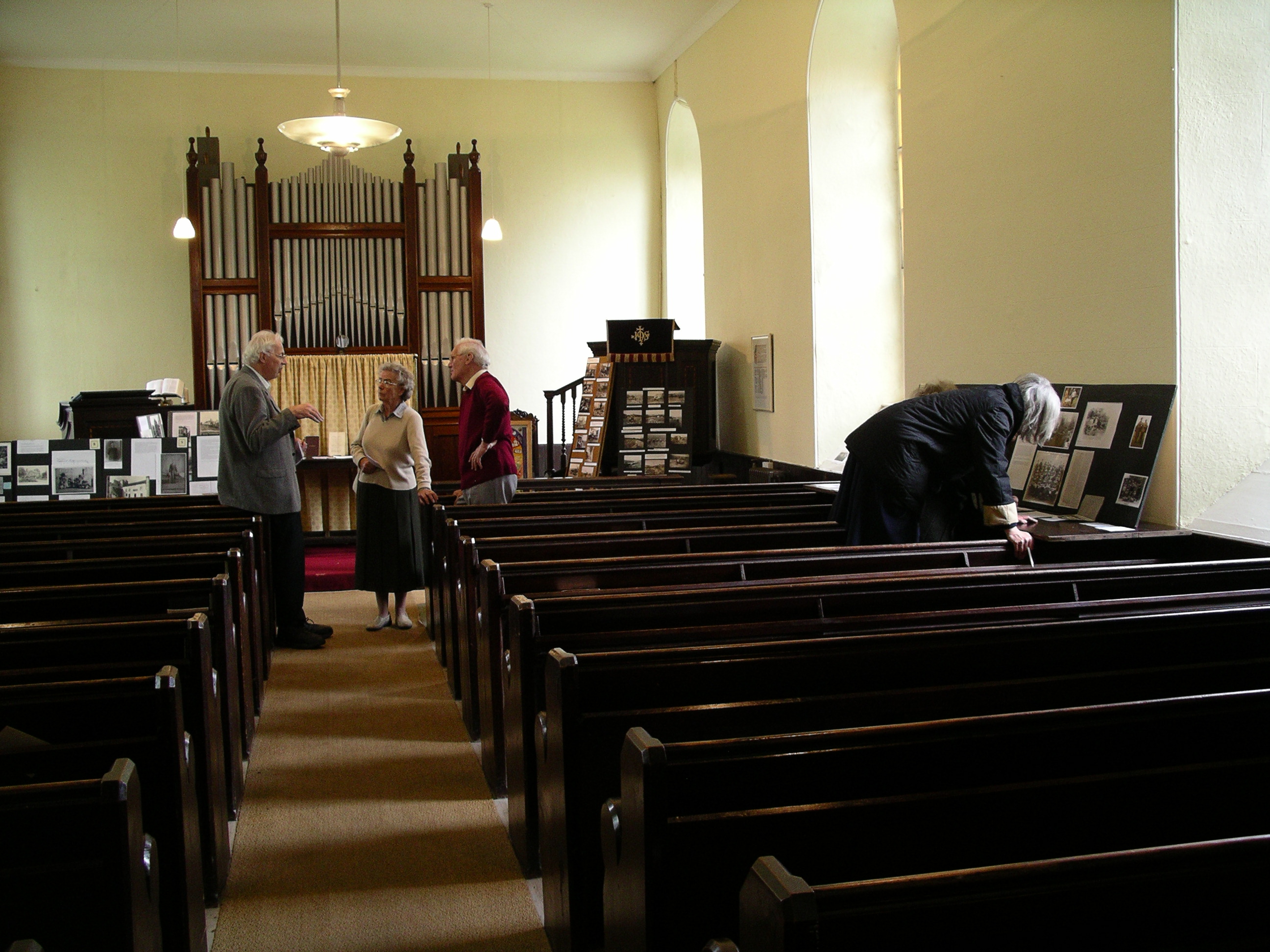


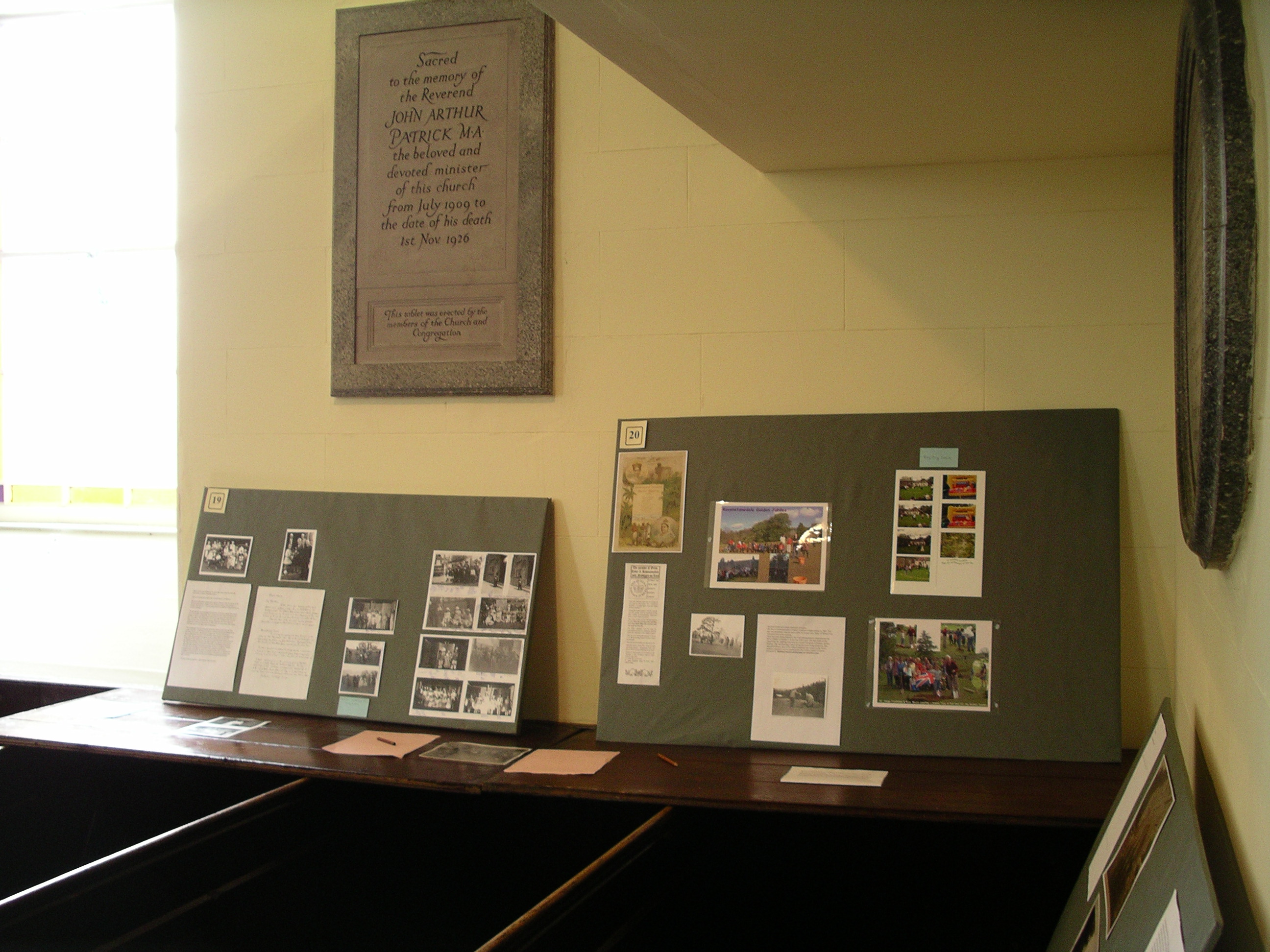
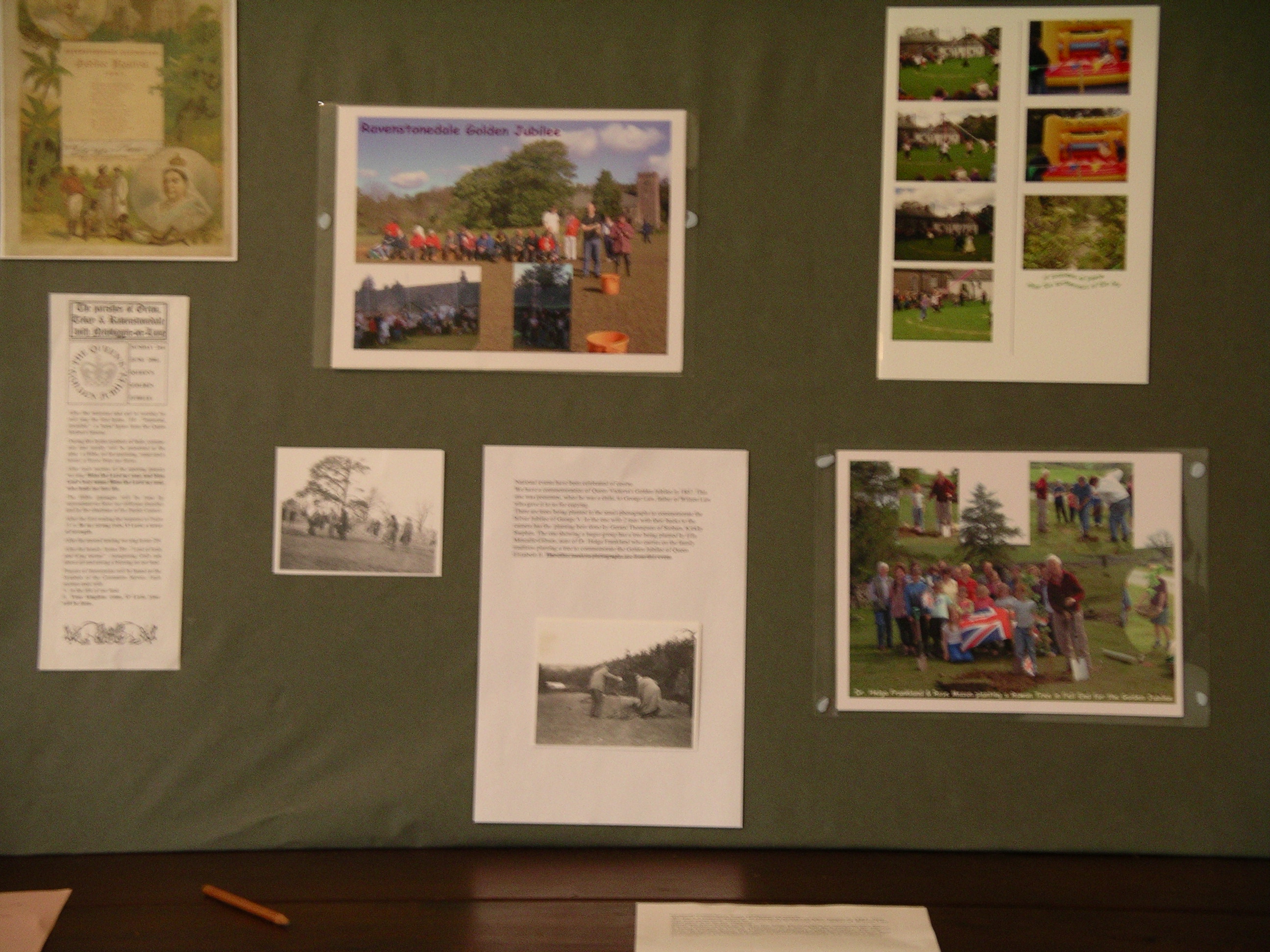


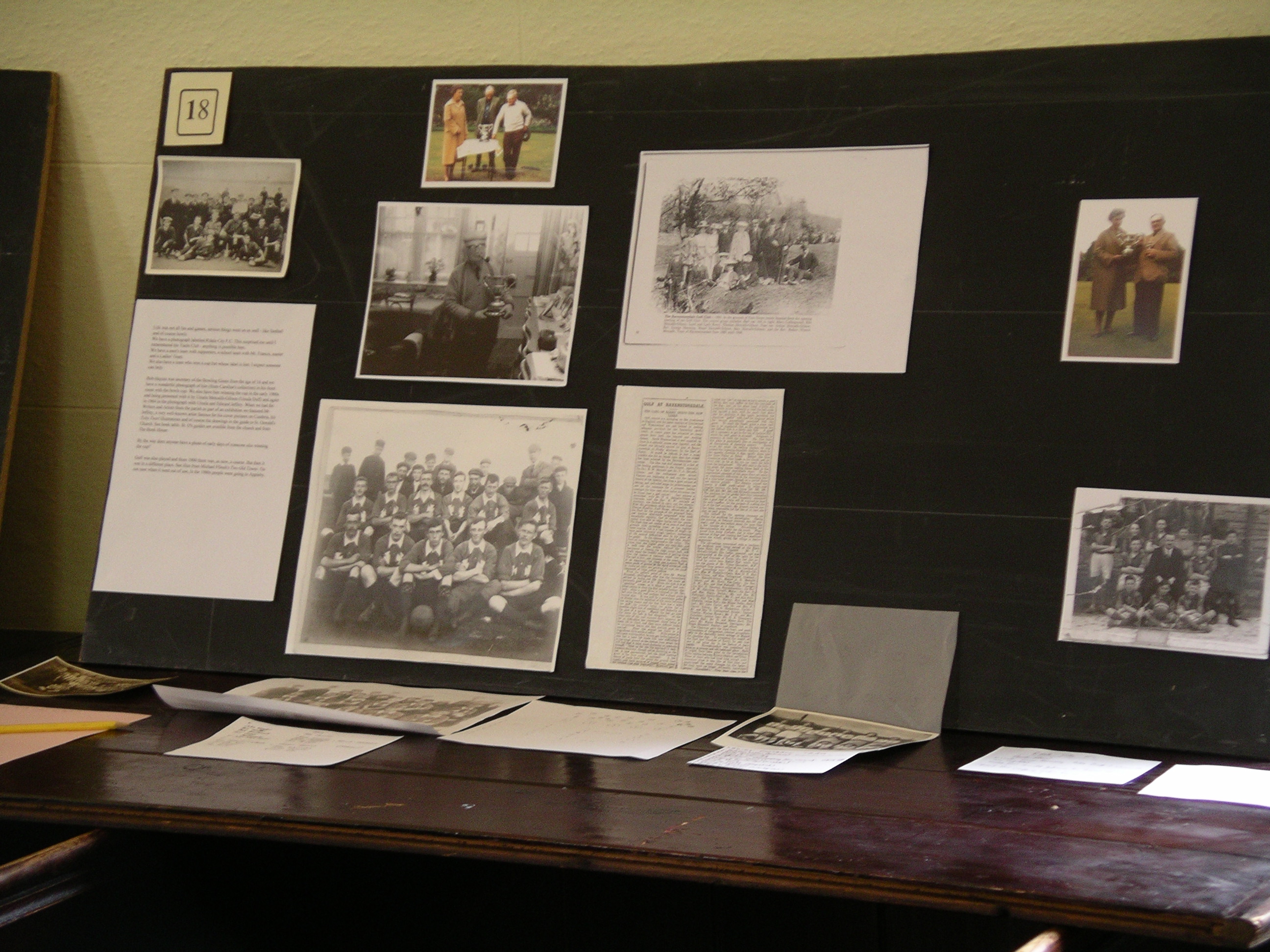



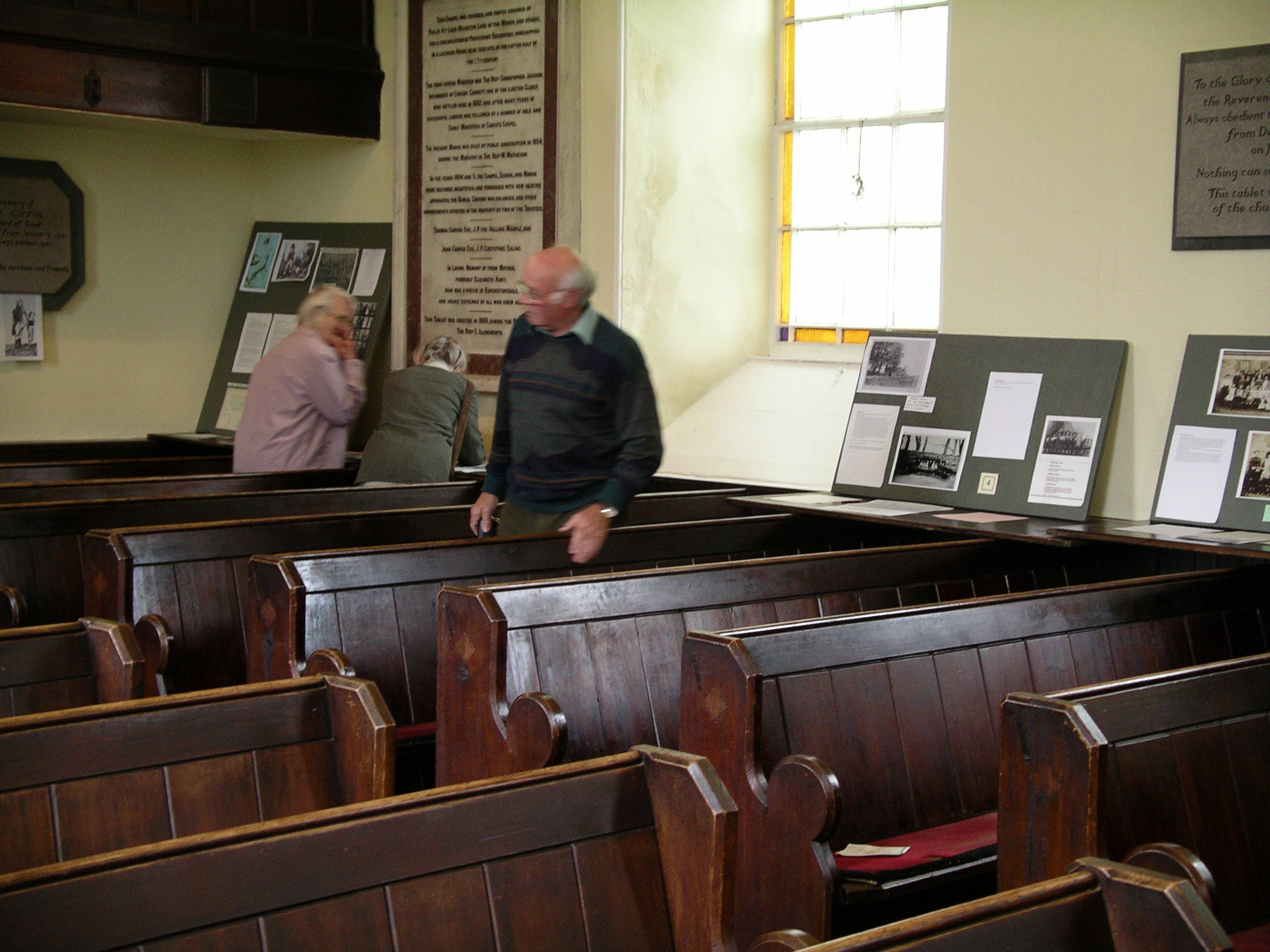









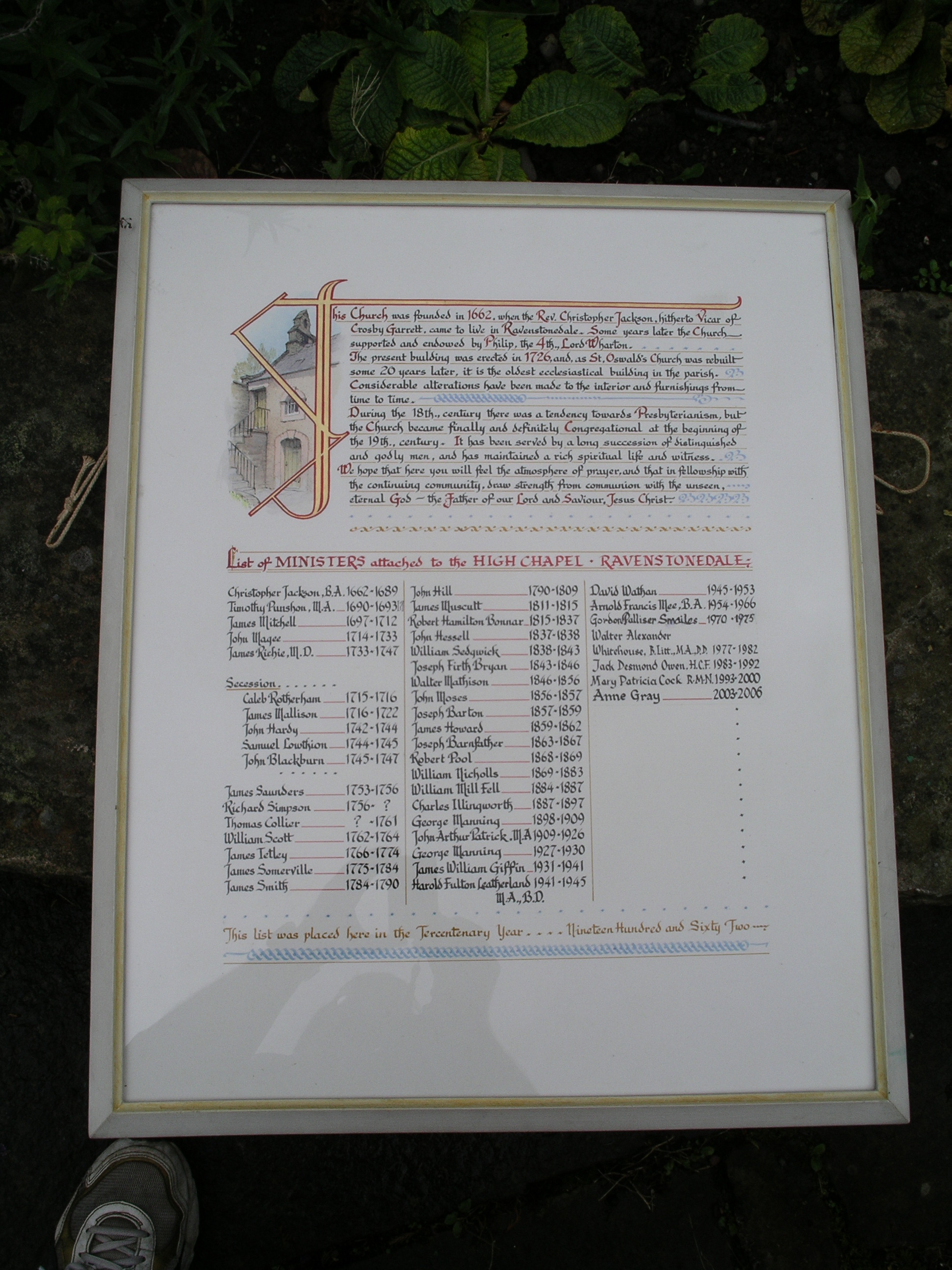
Who were the Ministers that preached, keeping chapel and congregation together?
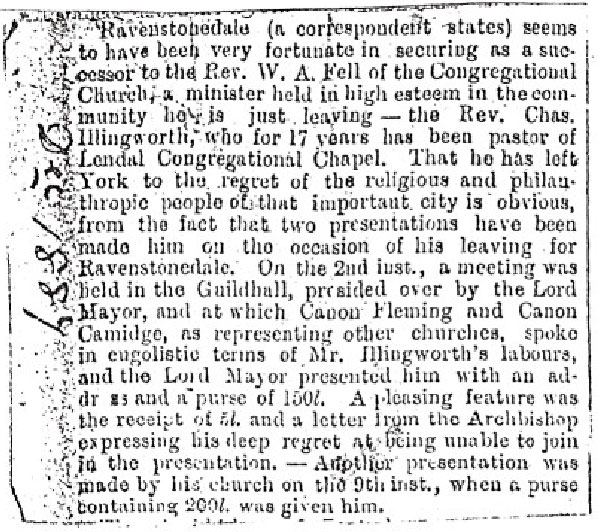
Ravenstonedale (a correspondent states) seems to have been very fortunate in securing as a successor to the Rev. W.A. Fell of the Congregational Church; a Minister held in high esteem in the community he is just leaving – the Rev. Chas. Illingworth, who for 17 years has been pastor of Lendal Congregational Chapel. That he has left York to the regret of the religious and philanthropic people of that important city is obvious, from the fact that two presentations have been made on the occasion of his leaving for Ravenstonedale. On the 2nd inst., a meeting was held in the Guildhall, presided over by the Lord Mayor, and at which Cannon Fleming and cannon Camidge, as representing other churches, spoke in eugolistic terms of Mr. Illingworth’s labours, and the Lord Mayor presented him with an addr? [?] and a purse of 150L. A pleasing feature was the receipt of 5L. and a letter from the Archbishop expressing his deep regret at being unable to join in the presentation. – Another presentation was made by his church on the 9th inst., when a purse containing 200L. was given him.
Dec 1889
Roll cursor over image to see title. Click on image to enlarge.


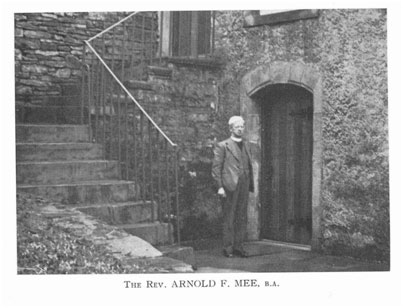
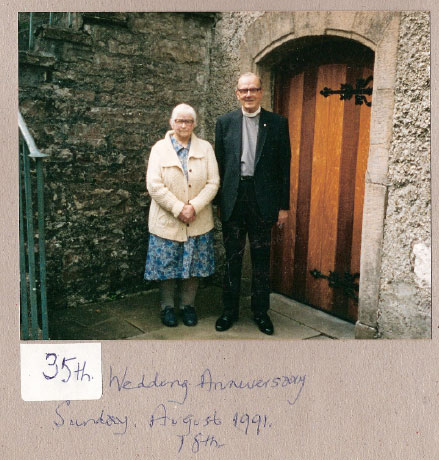
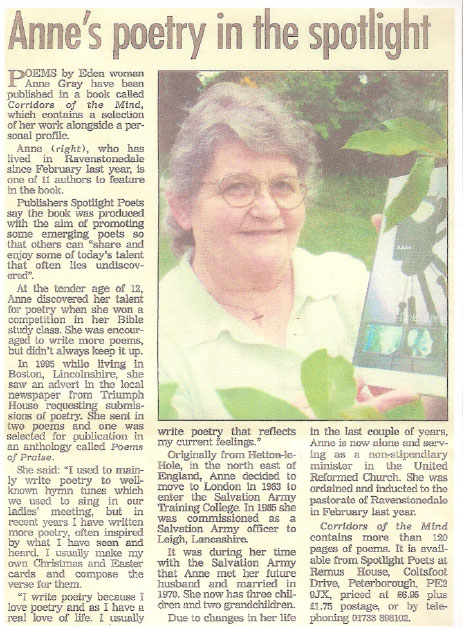
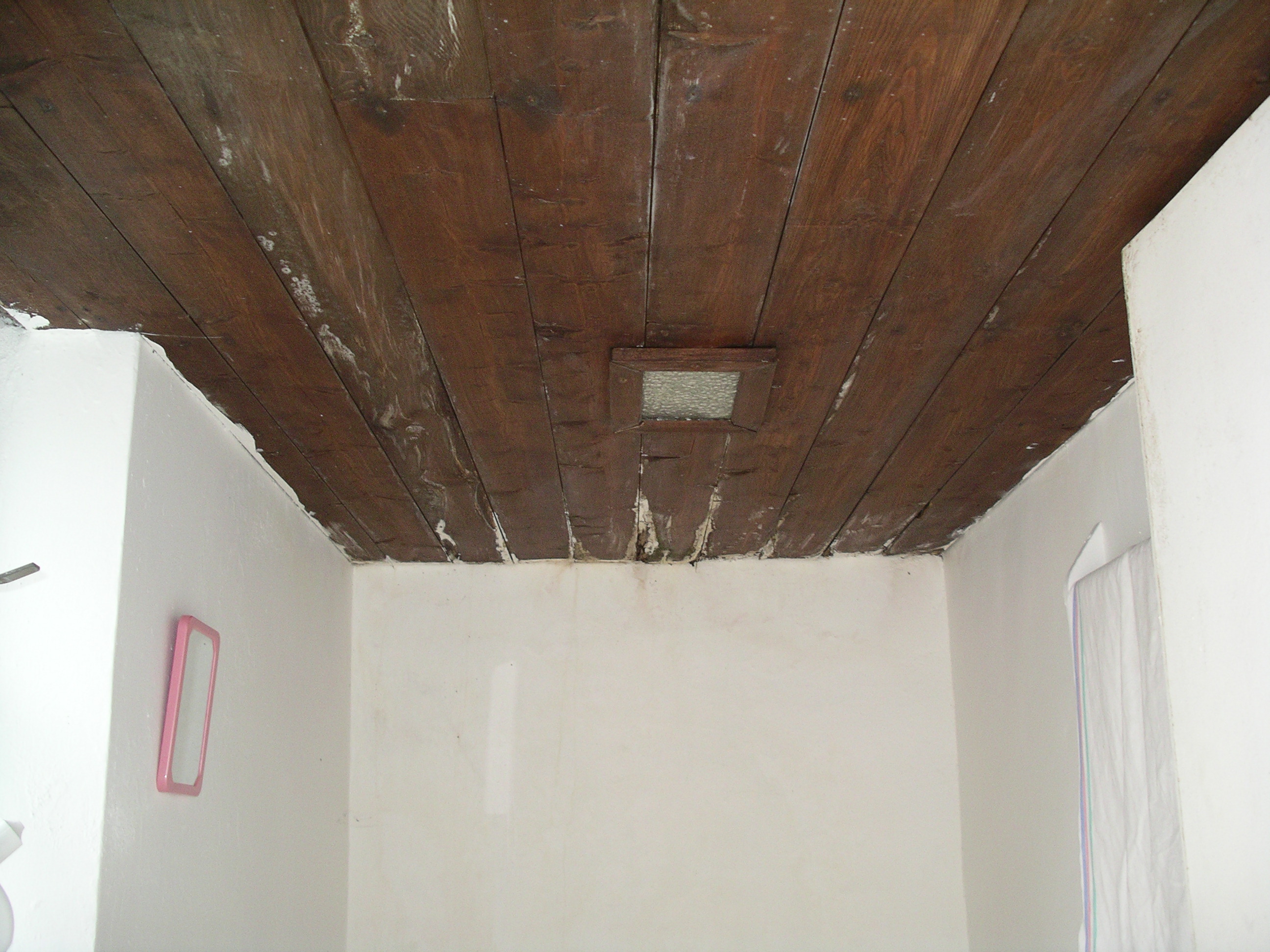
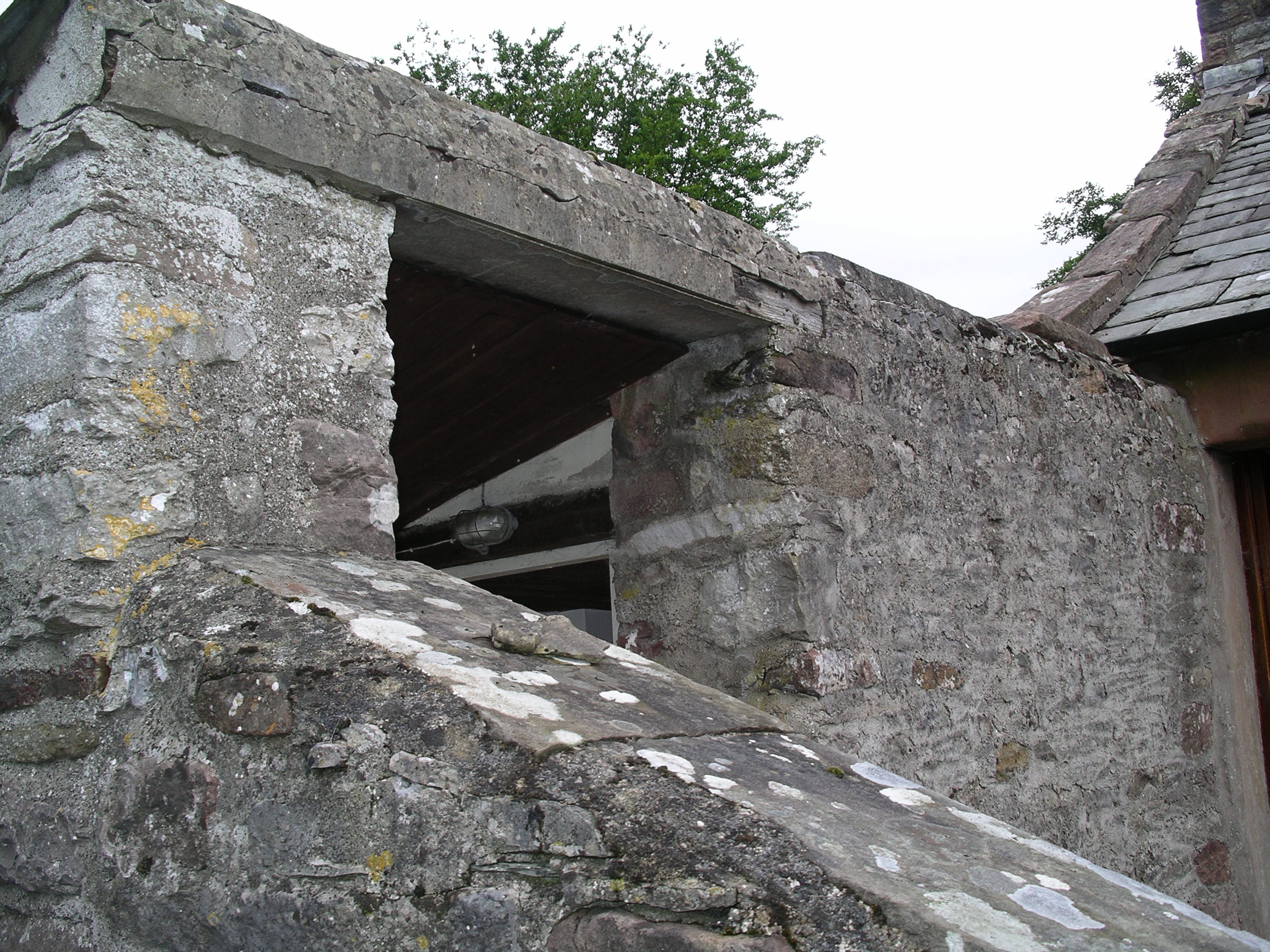
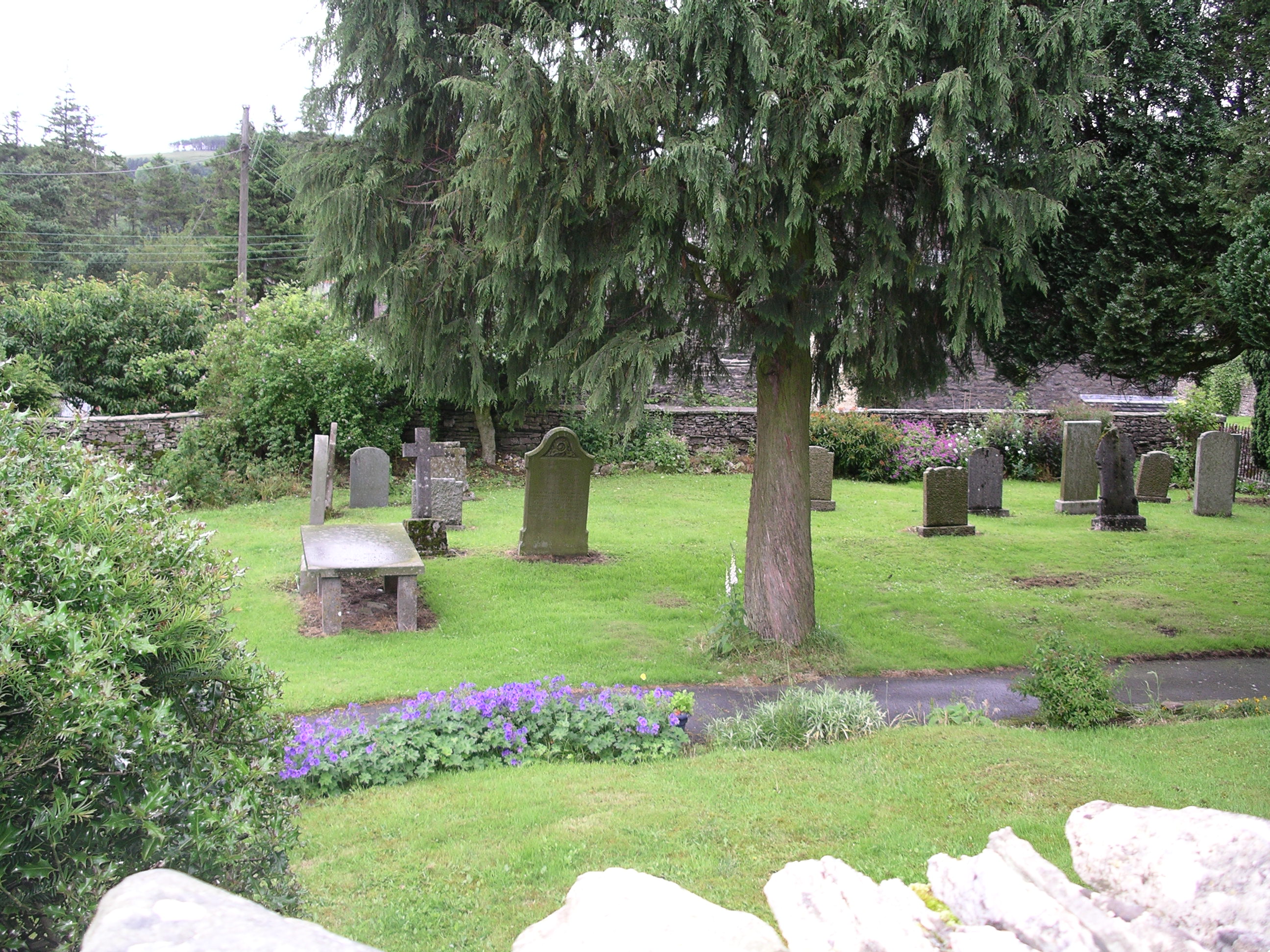
I found that, as the chapel progressed and we painted and mended parts of it, it would be useful to record as much of the aspects as possible.


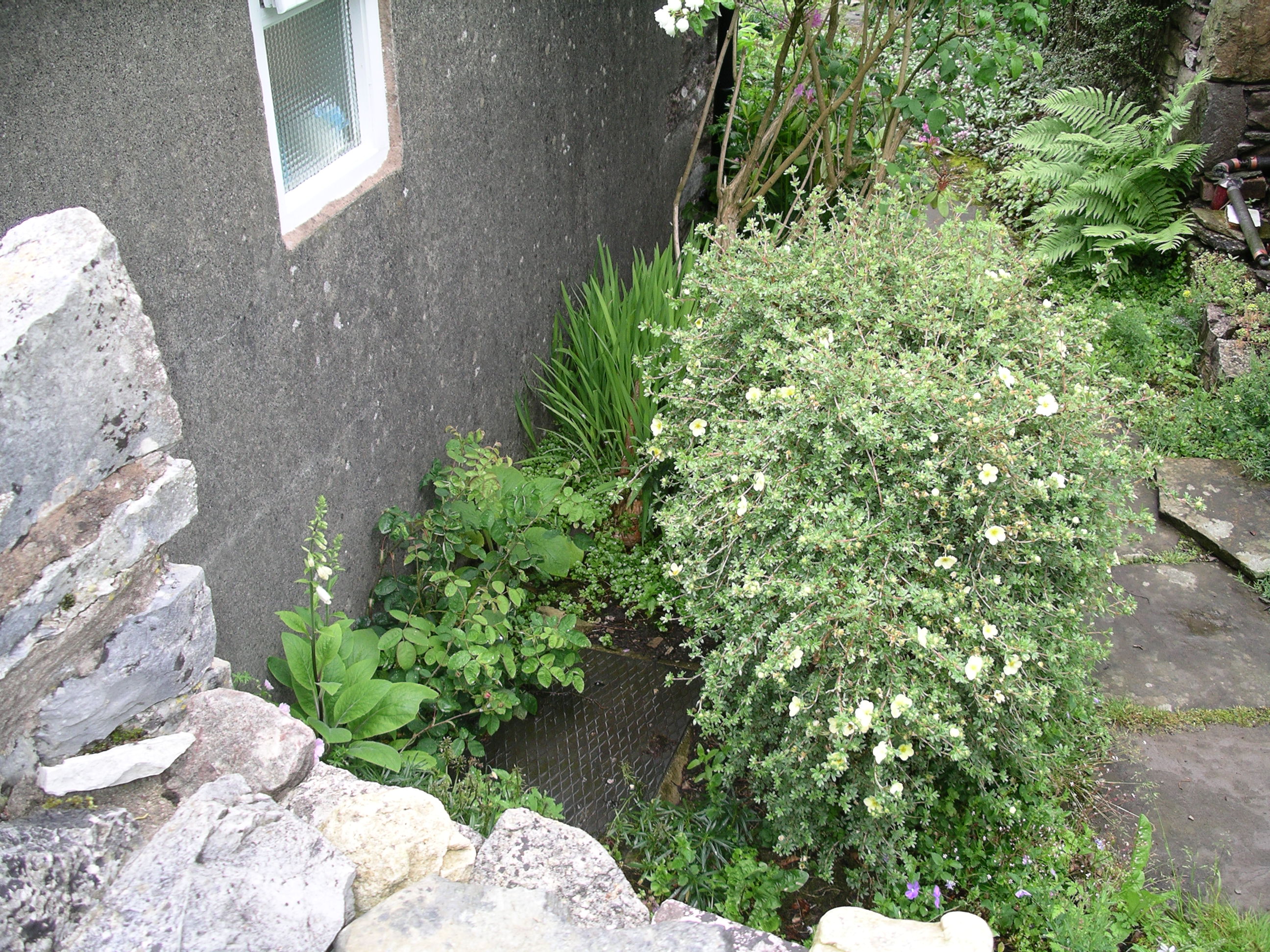
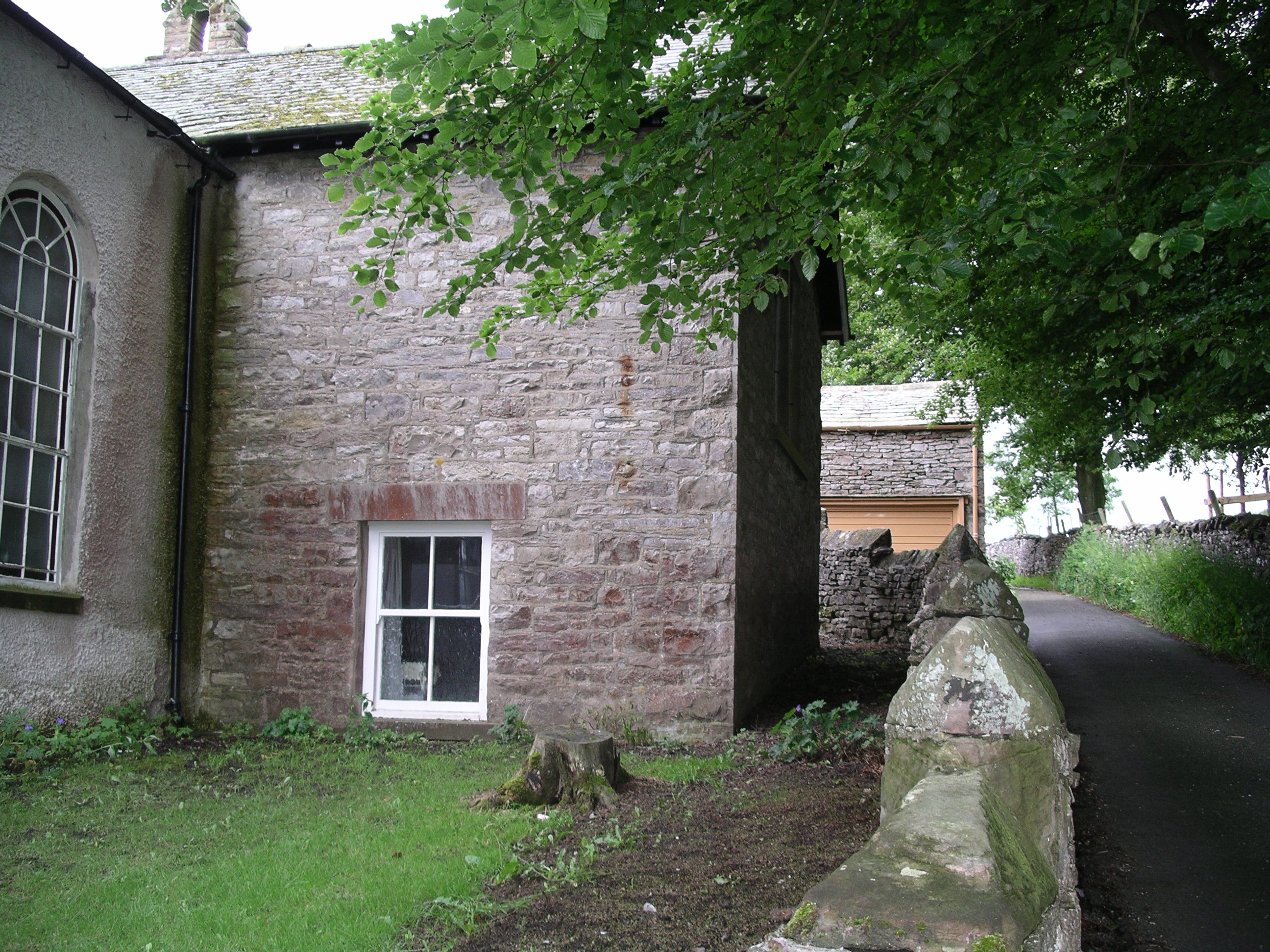
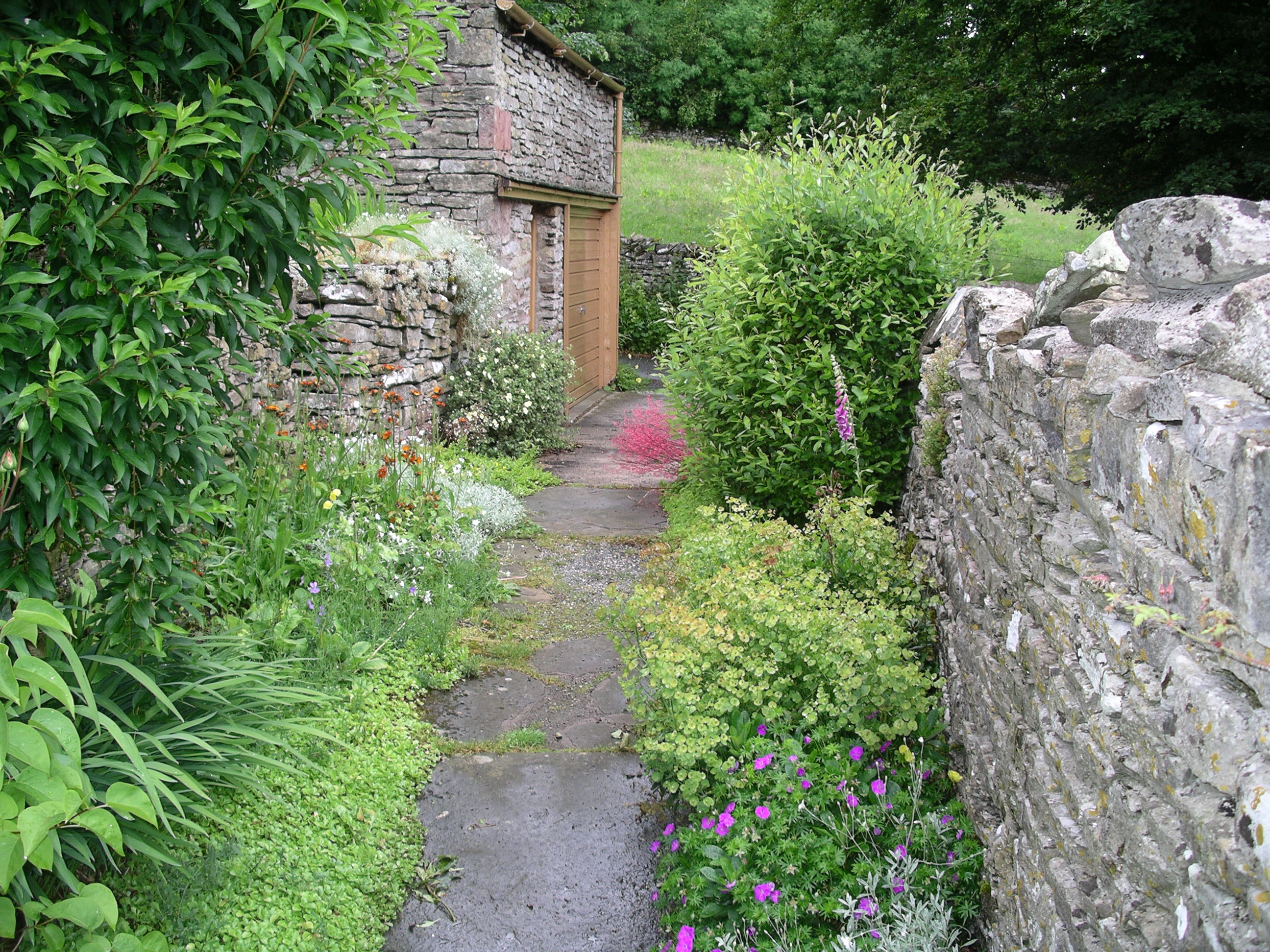
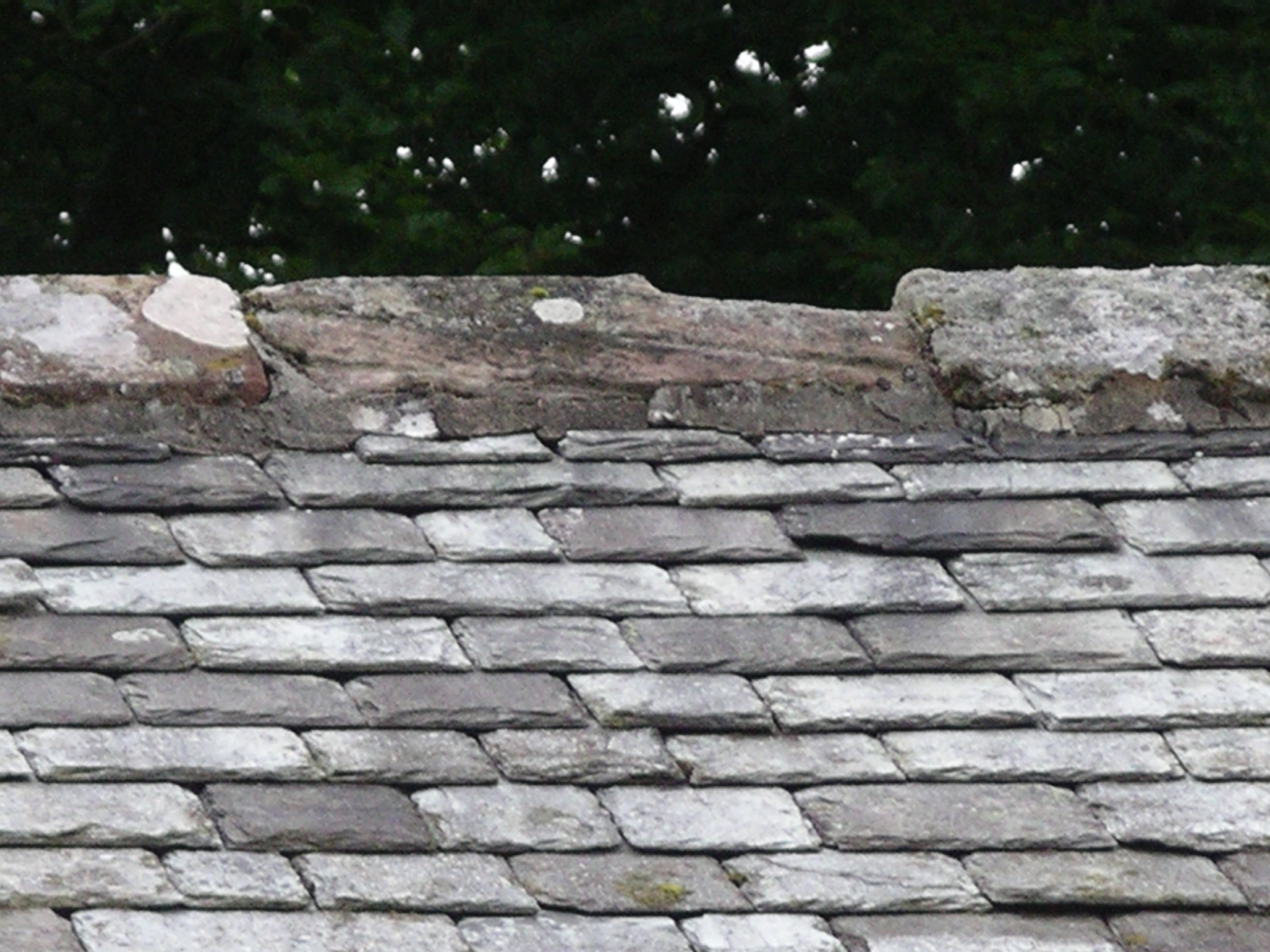


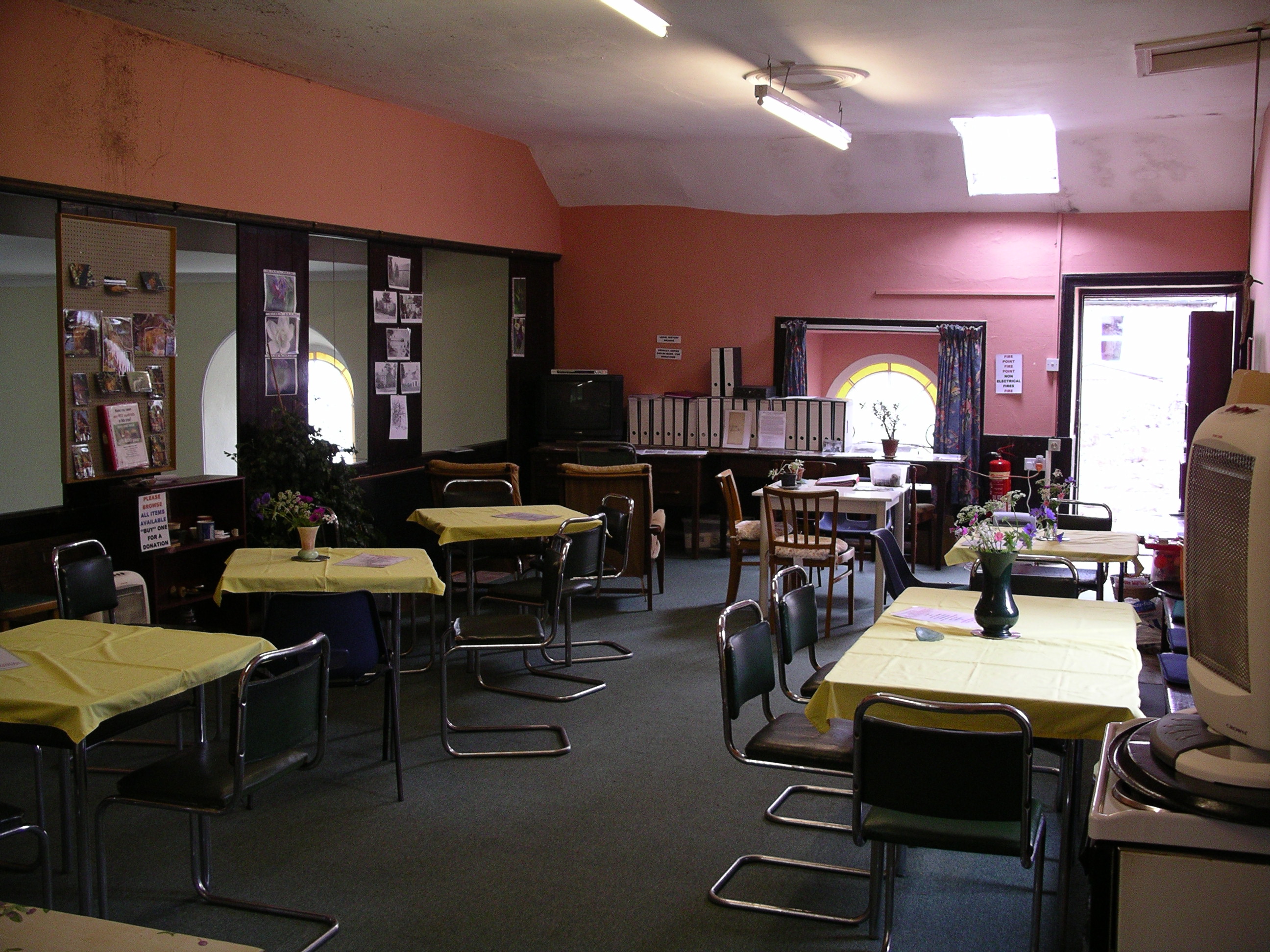


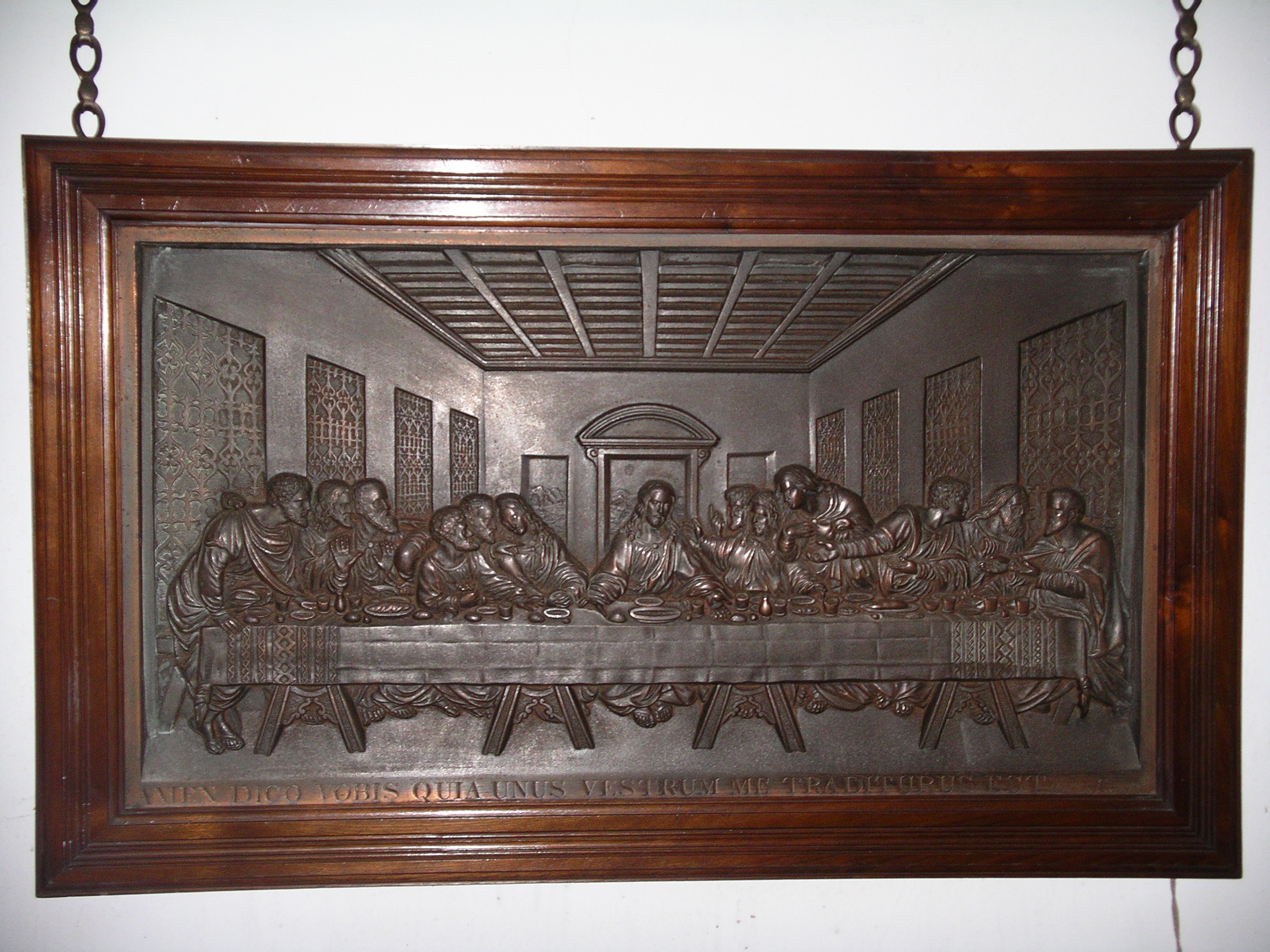


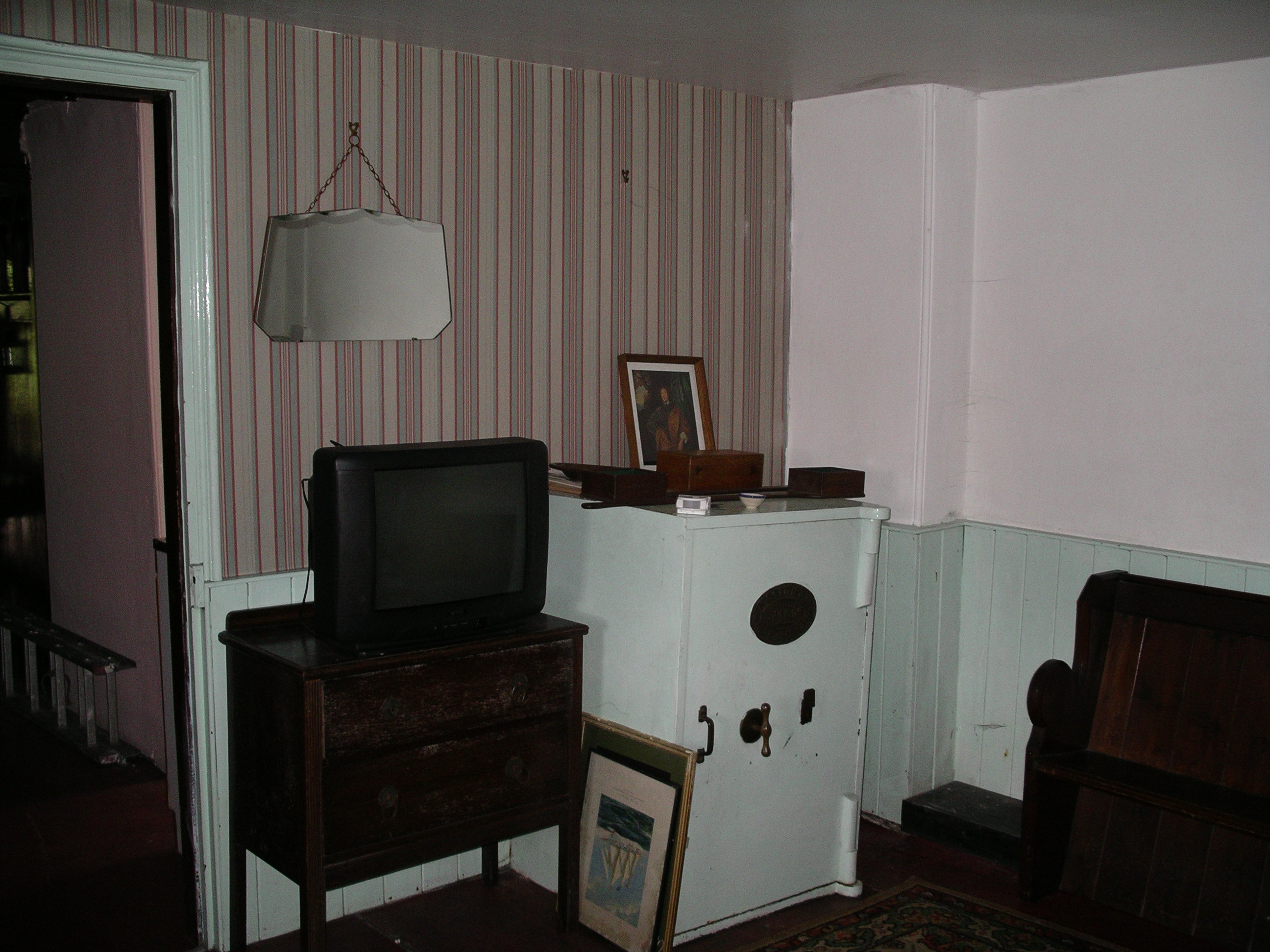
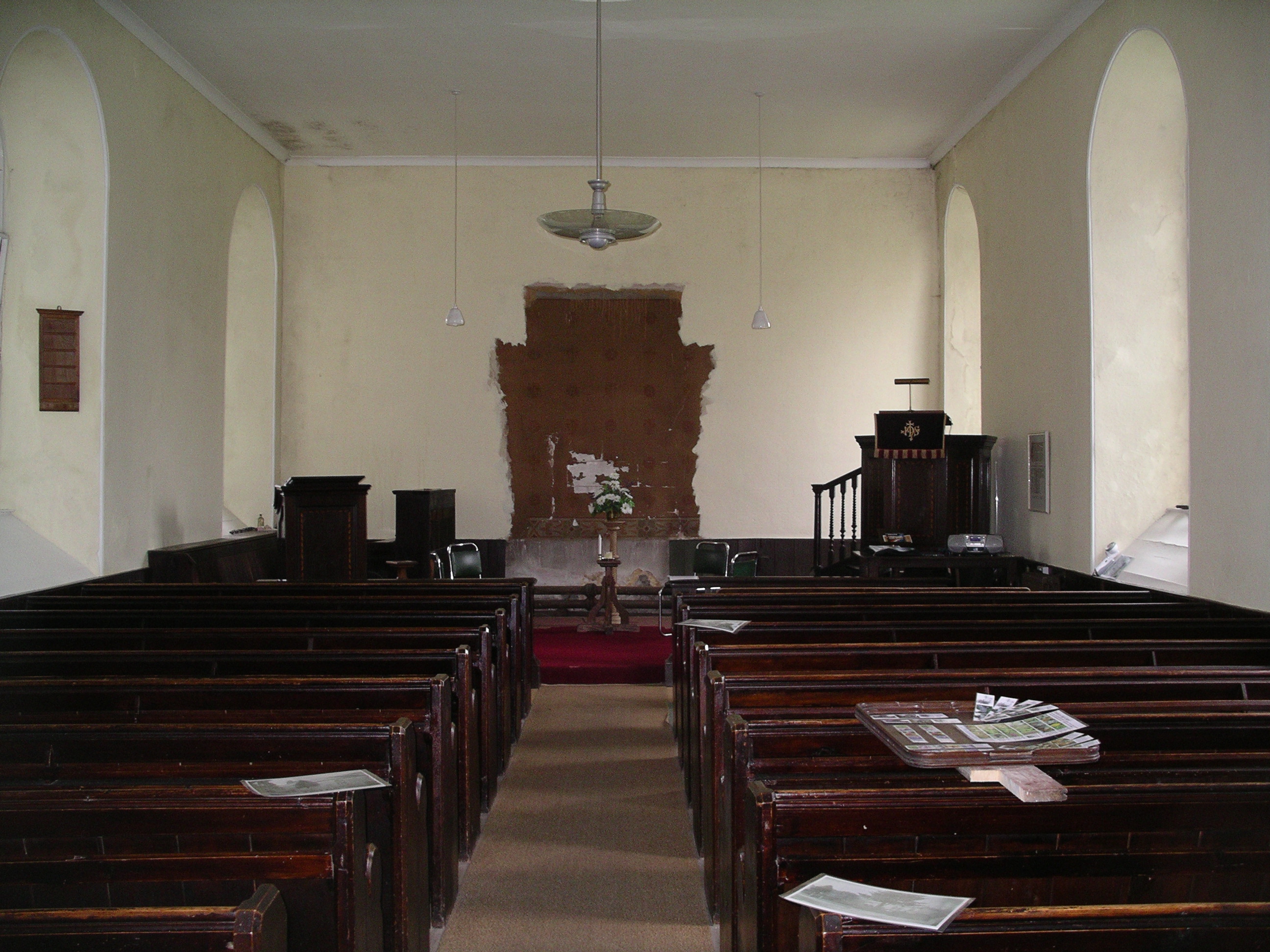
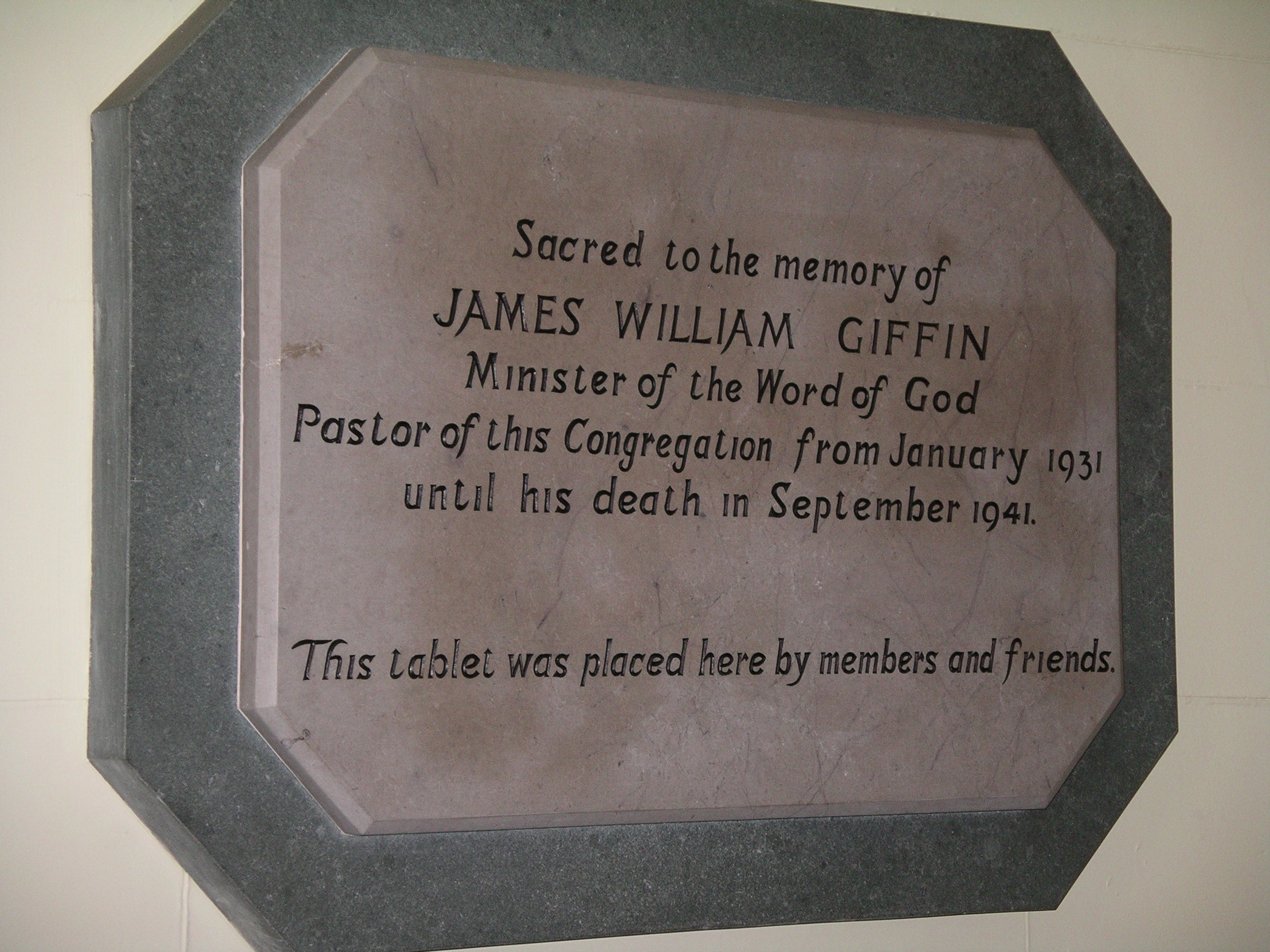

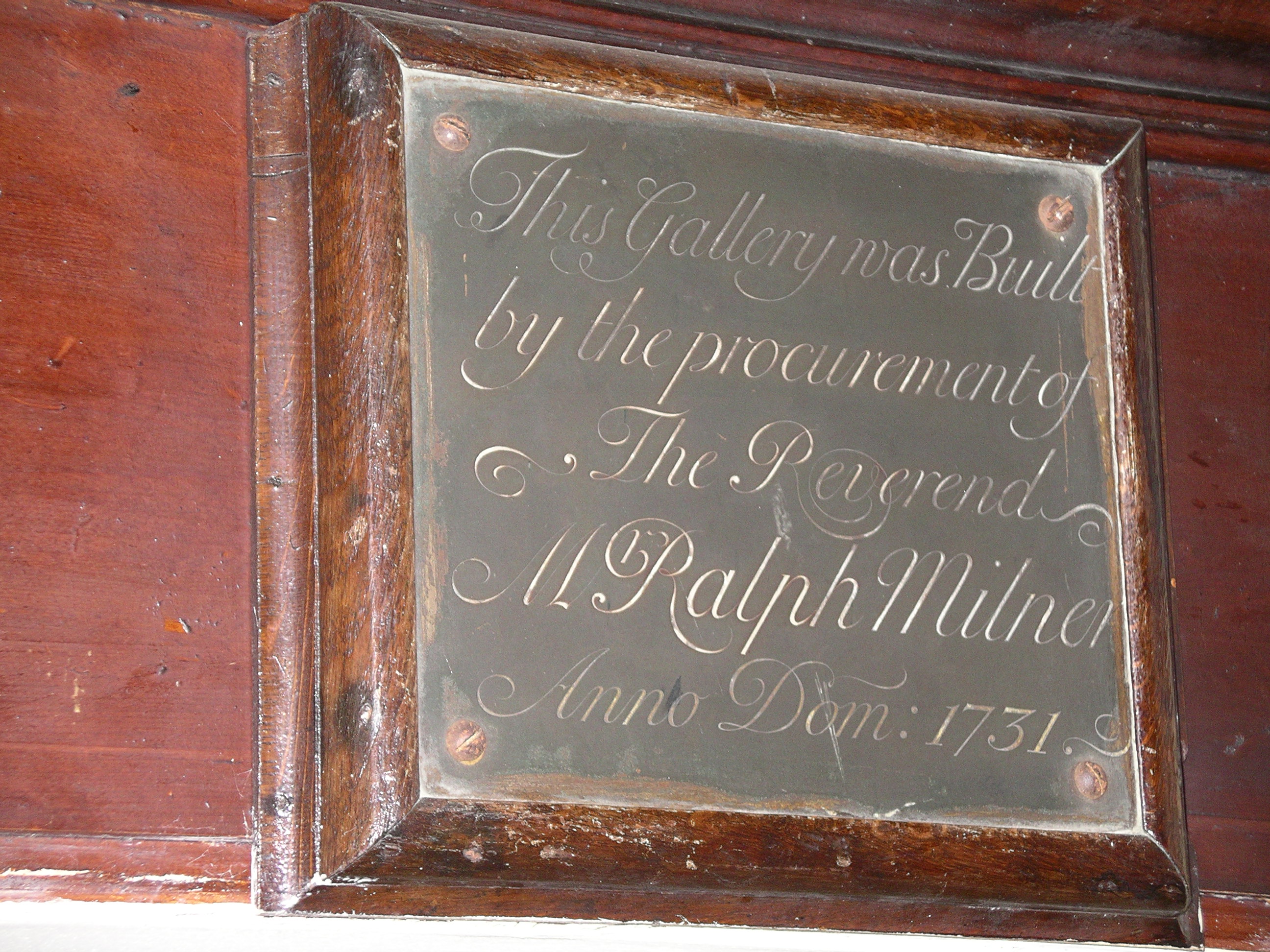










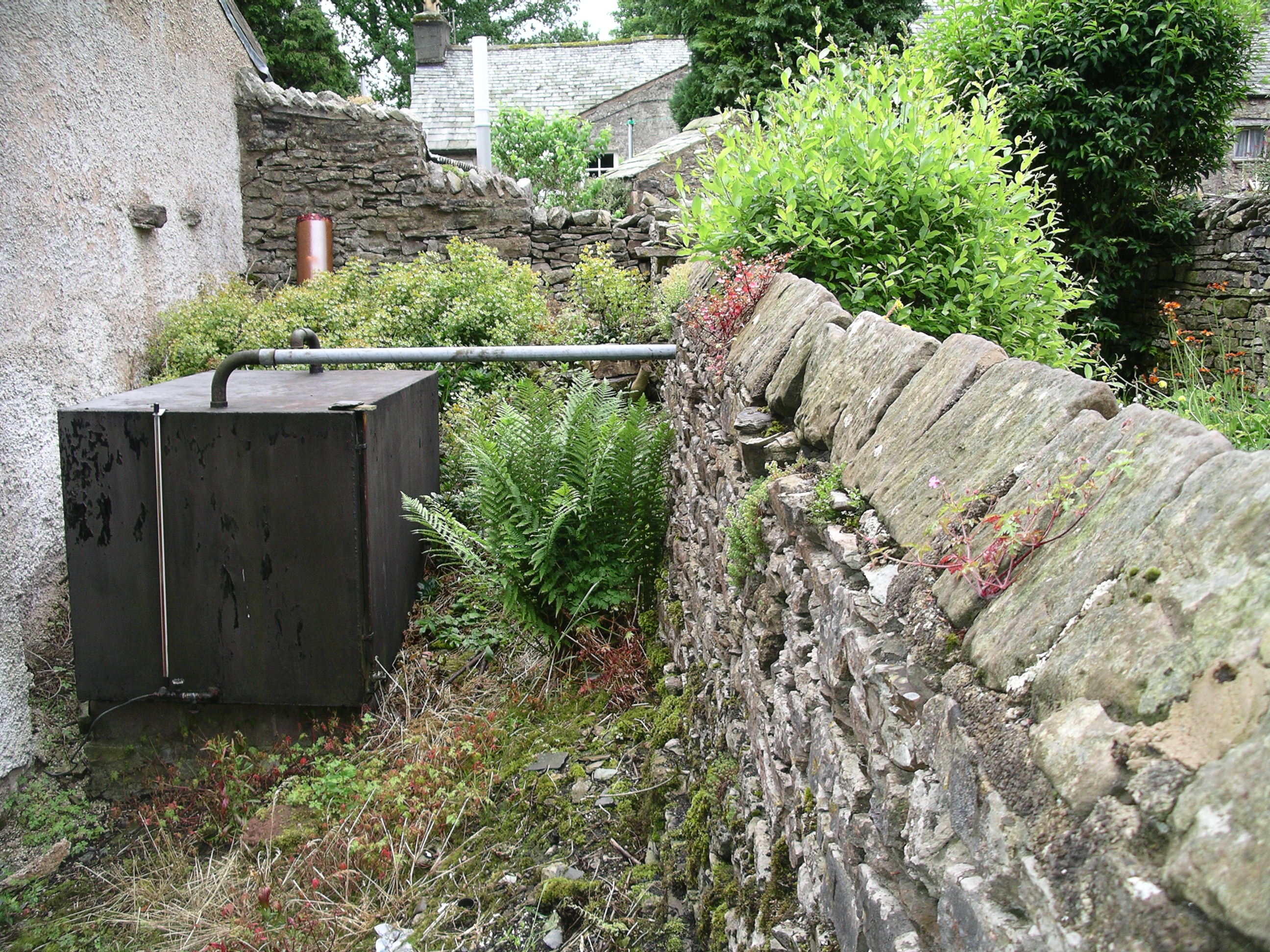

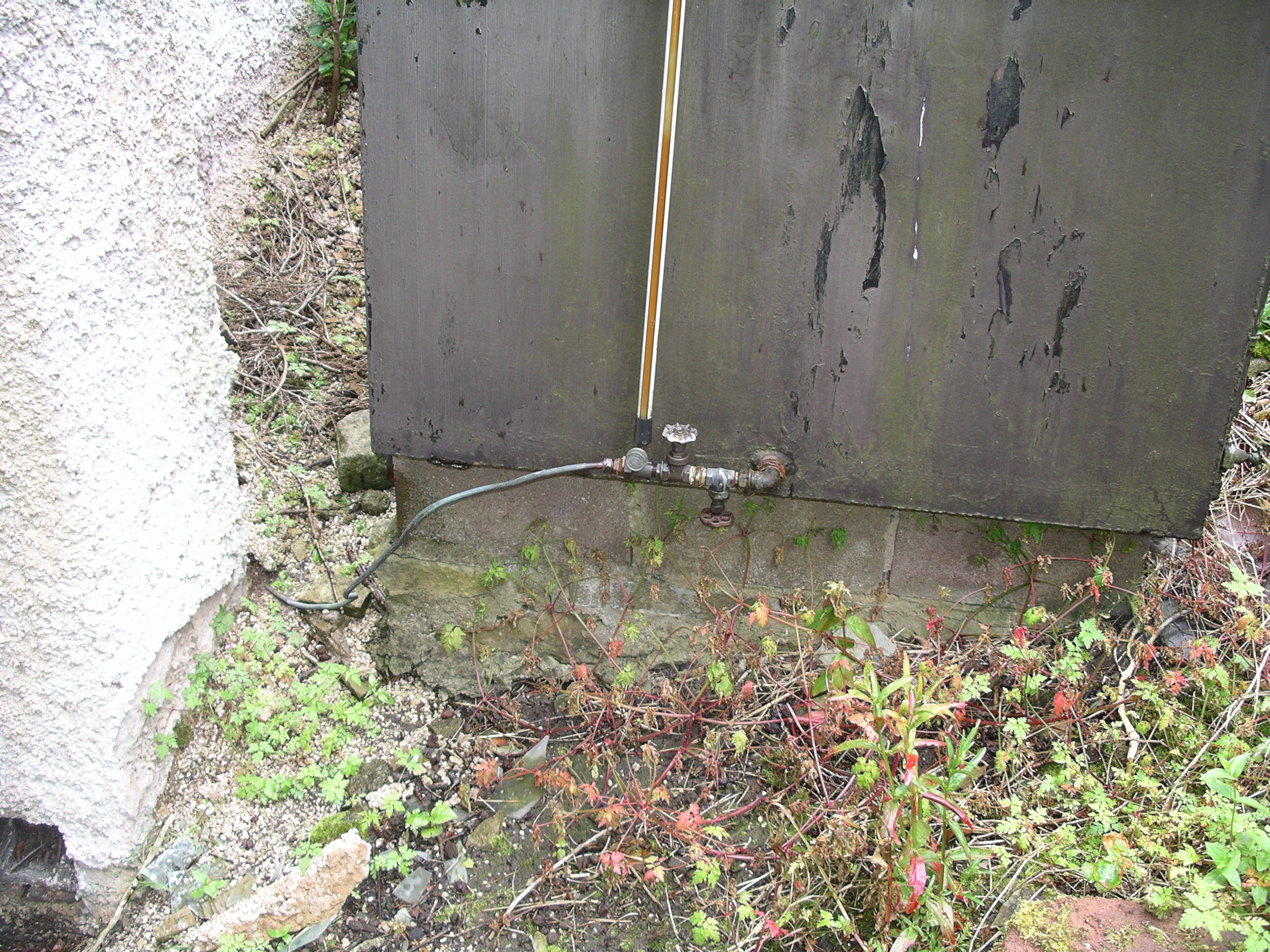


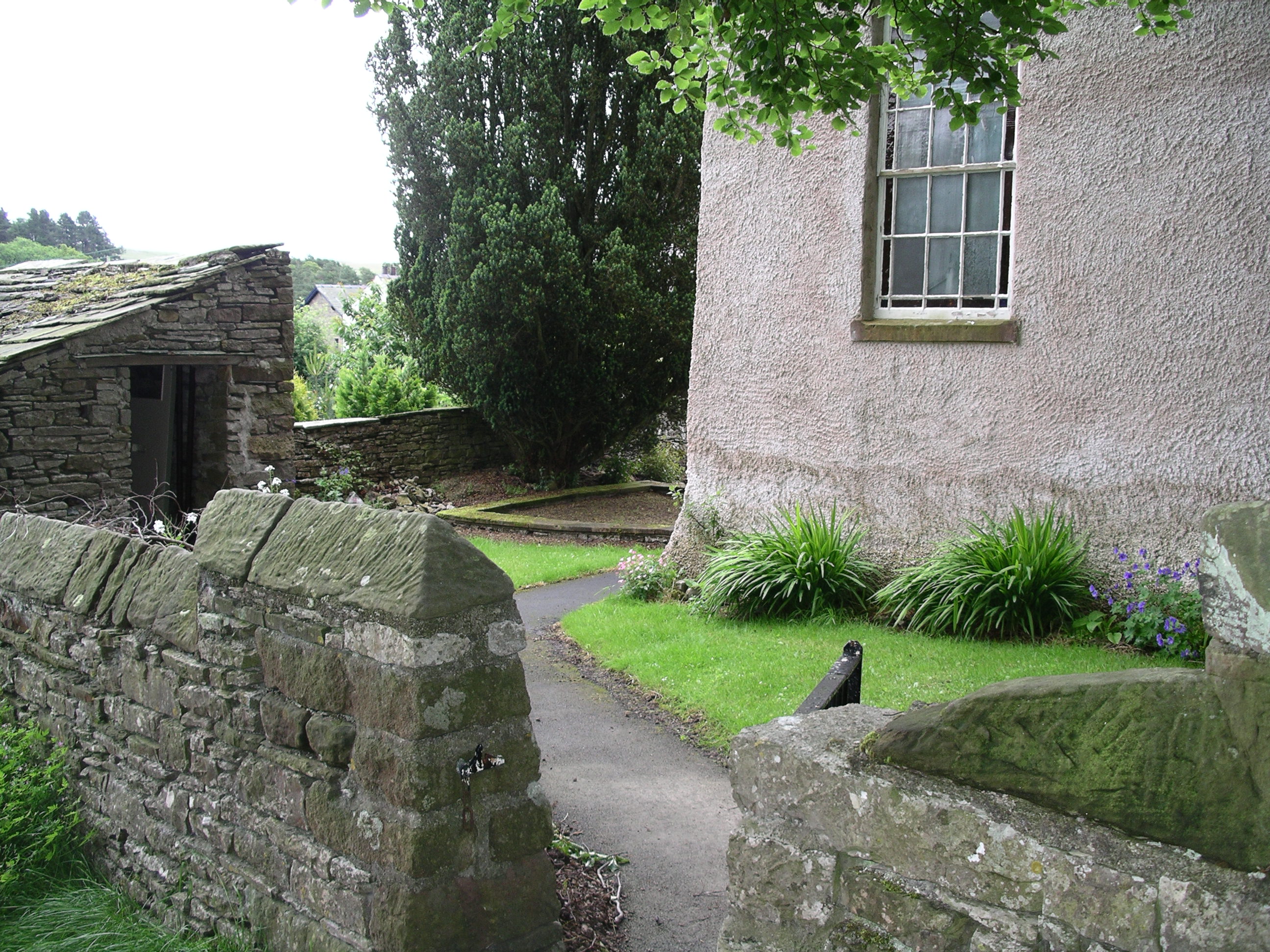

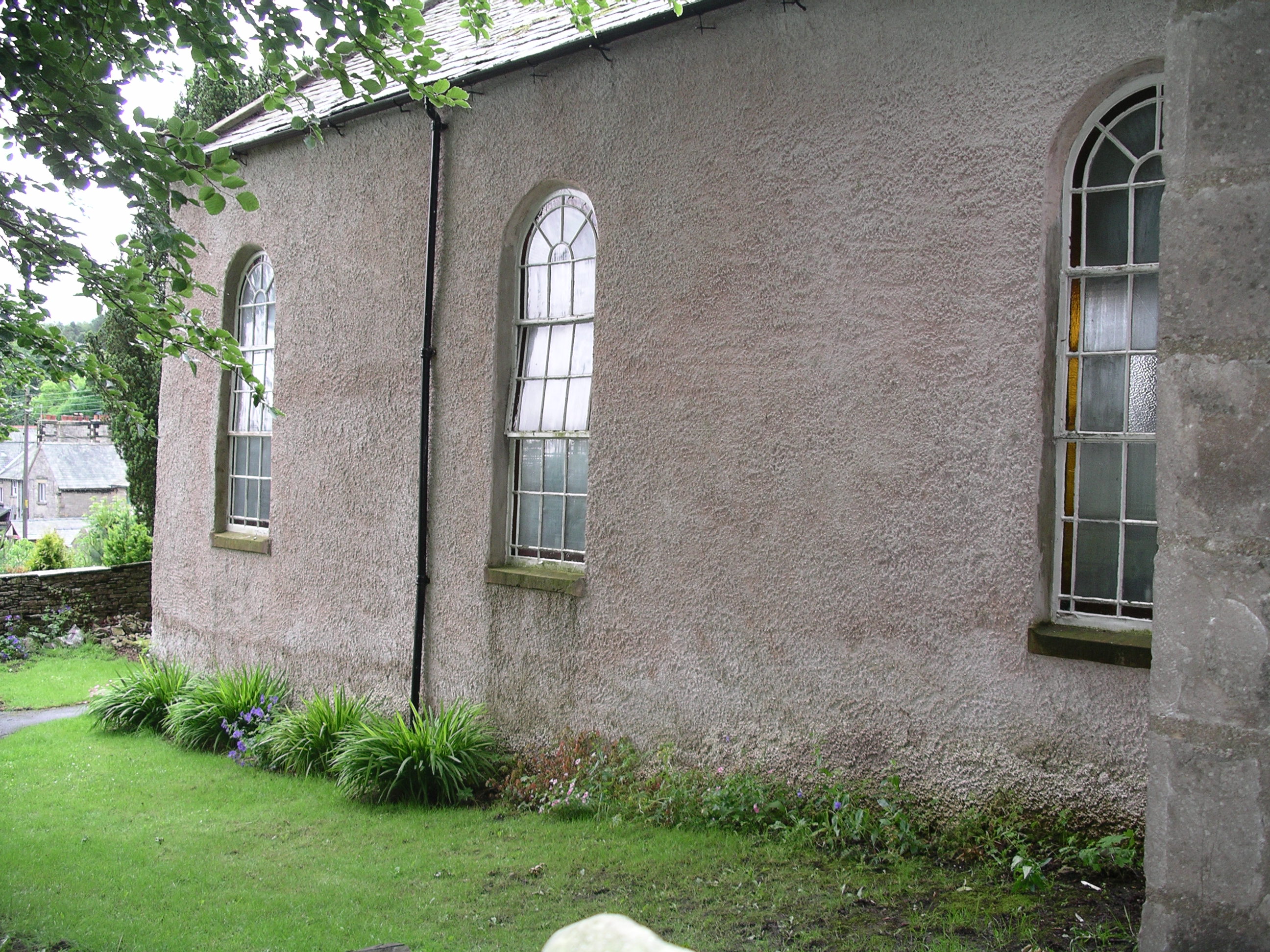













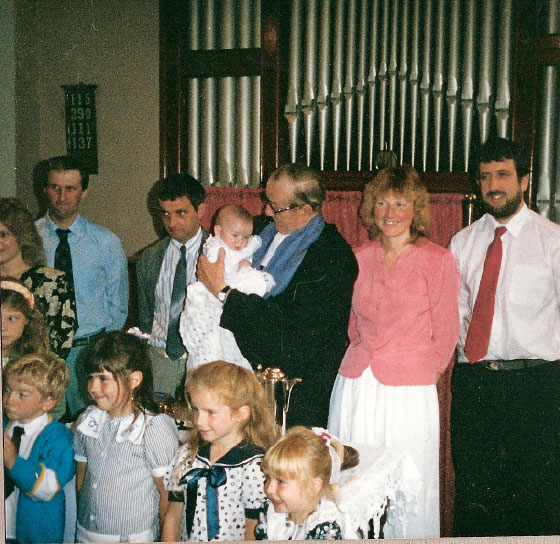



PDF's
Baptism Michael James Bowman (pdf scan of photograph)
Baptism of Robert Andrew Steadman (pdf scan of photograph)
High Chapel 322nd celebration newspaper report (pdf scan of text)
Baptism of Thomas Mansbridge (pdf scan of text and photograph)
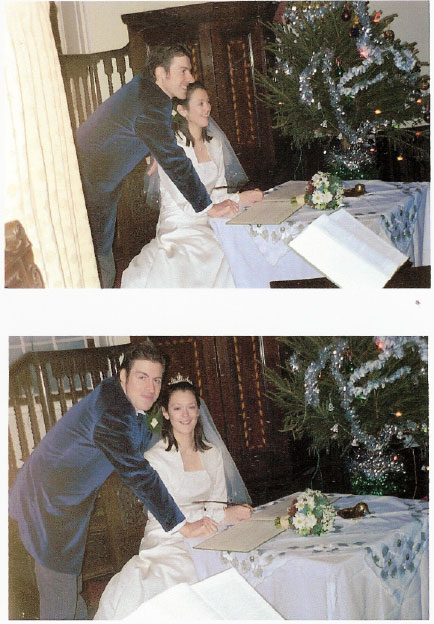
Marriage of Helen Margaret Atkinson to Richard Staley (pdf scan of photograph)
Wedding of Nicholson-Feeney Bluebell Farm Newbiggin 2003 (pdf scan of photograph)
Wedding of Nicholson-Feeney Bluebell Farm Newbiggin 2003 (pdf scan of photograph)
Roll cursor over image to see title. Click on any image to enlarge.

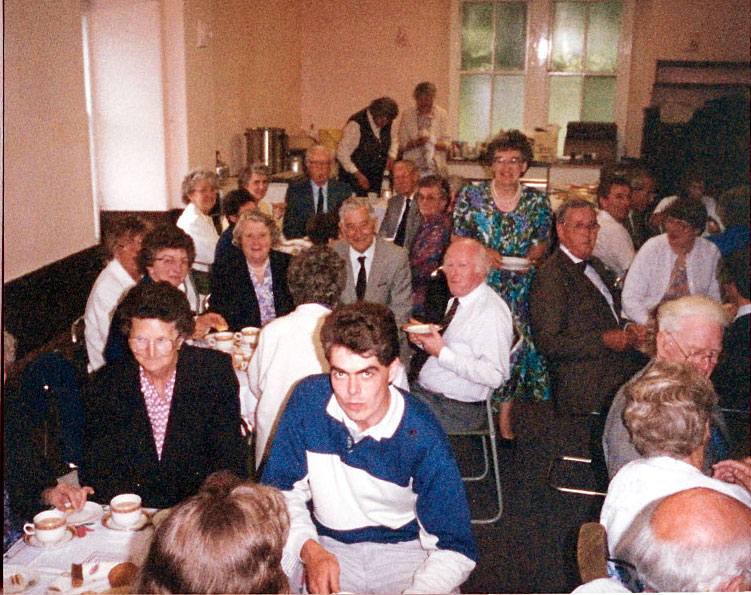

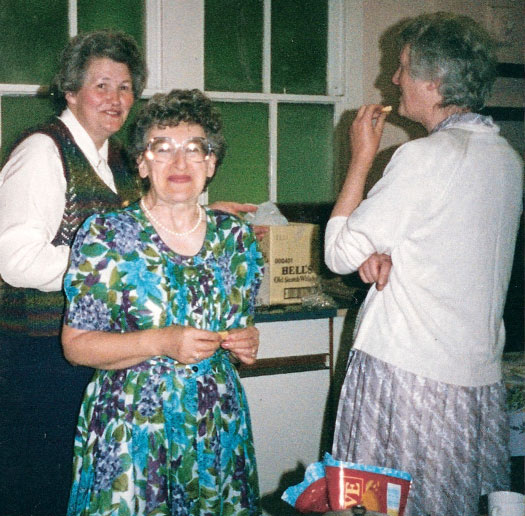
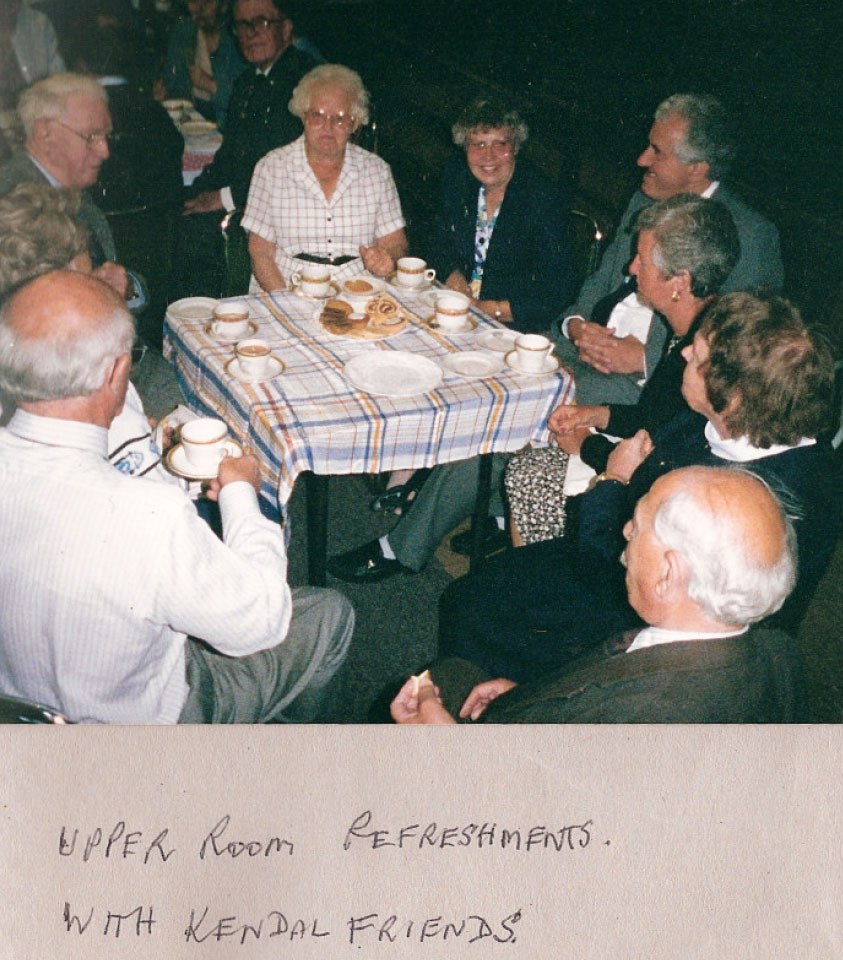

PDF scans - photo1, photo2, photo3, photo4, photo5, photo6
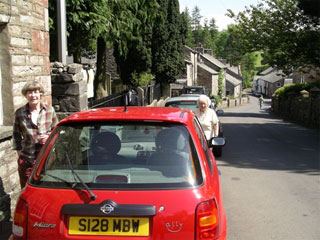
For many years “Jess” used to patrol the village. Jess was very disabled but as a retired sheepdog, Jess was one of the characters everyone knew. Jess, even though bent and “disjointed” enjoyed meeting folk and getting presents of gravy from Roy & Barbara Hopkins. Jess died around 2009.

The Official Survey commissioned by the Parish Council, did not cover all the issues and of course the caretaker was not involved nor asked about what he had found out over the 3 or so years of careful maintenance.
Extract from “The Story of the Ravenstonedale Congregational Church” by Phyllis L. Woodger, M.A. and Jessie E. Hunter, M.A...
“Disaster appeared to be complete in 1838, when the Revd. John Hessel, who followed Mr. Bonnar [ministers] left Independency to become an adherent of John Wesley, and most of the congregation left also. A Wesleyan Chapel was built lower down the village street in 1839. Meanwhile the Independent Chapel was in a deplorable state, the windows broken, the building dilapidated and the graveyard in a “ruinated” condition.
However, the faithful remnant, undaunted by small numbers, reconstituted the Church. The new society consisted of only seven members, four women and three men, one of them a deacon. They were:Margaret Breaks, Newbiggin
Margaret Hewetson, Green
Nanny Chamberlain, Greenside
Mary Hewetson, Green
Benjamin Hewetson, Green
John Wilson, Weasdale
Benjamin Hewetson, Green, Snr, was recognised as Deacon
Slowly under the guidance of Ministers of ability and character, the little church regained its vigour.”
There were precious few people who attended the chapel, or who were registered as High Chapel congregation. At the end (2006) there were circa 6 regular attenders, and maybe another 5 or 6 who were associated with the chapel. At the final service, the chapel was packed – pews full and the gallery also had a couple of rows, and there were 13 Ministers, 12 of whom agreed to be photographed (below).
Roll cursor over image to see title.

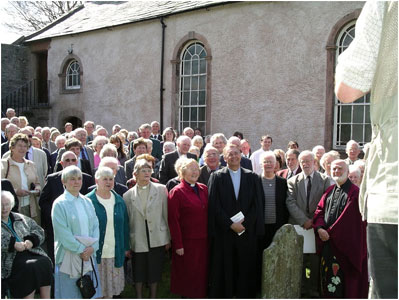
For those who felt the chapel should not close, or if they felt it need not close – this service was excruciatingly painful.

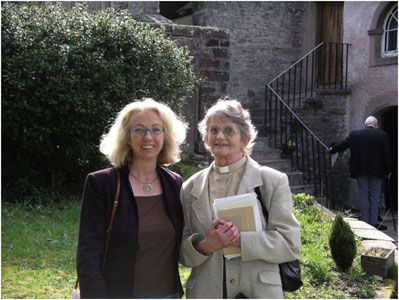
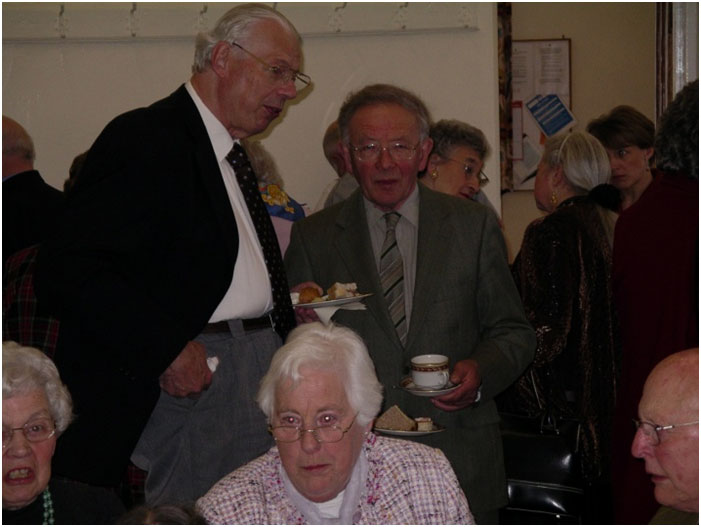
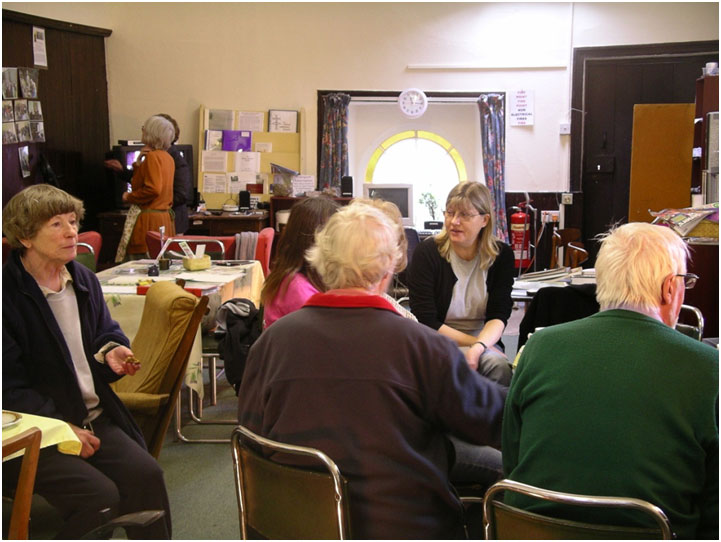
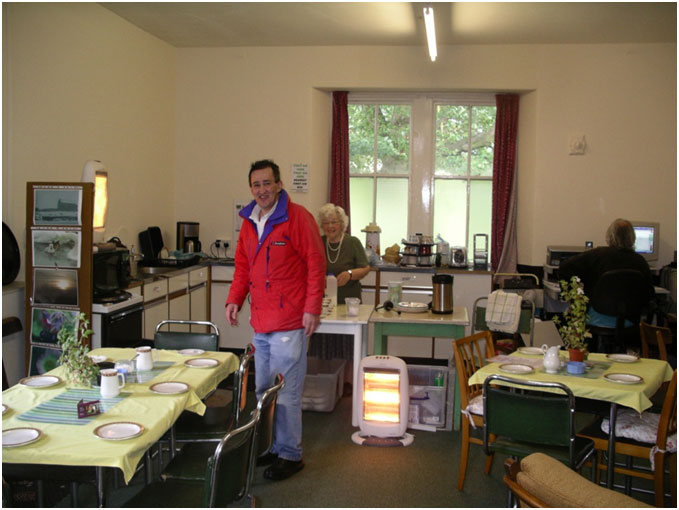
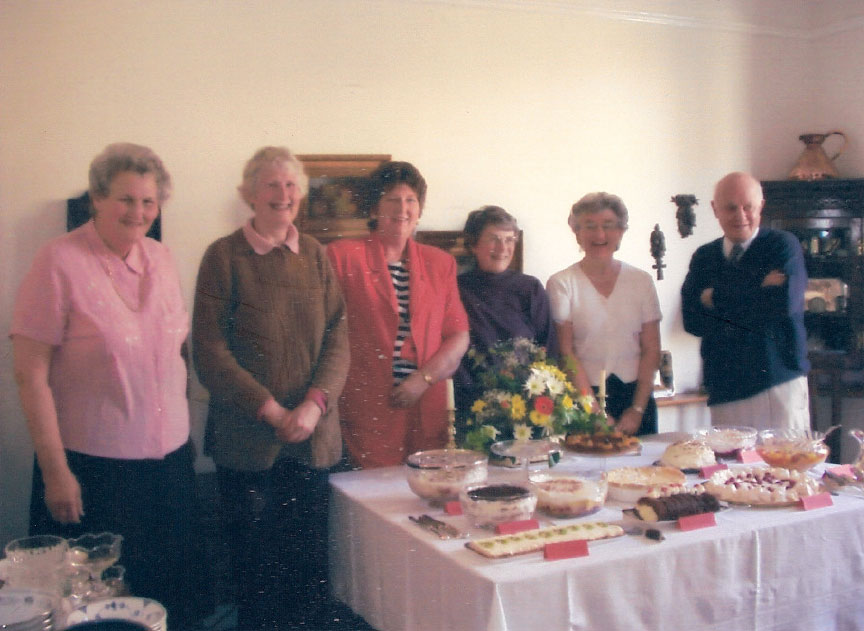
People who supported the chapel, and who kept it going, up to the end, in no particular order.....
Roll cursor over image to see title. Click on image to enlarge.

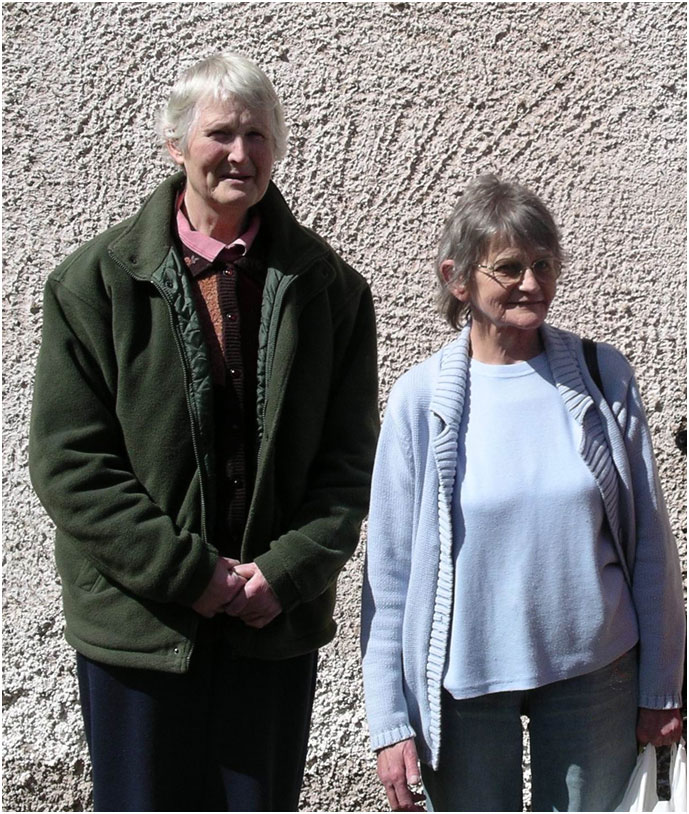

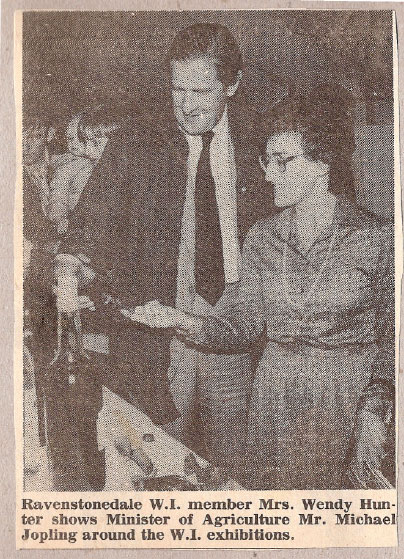
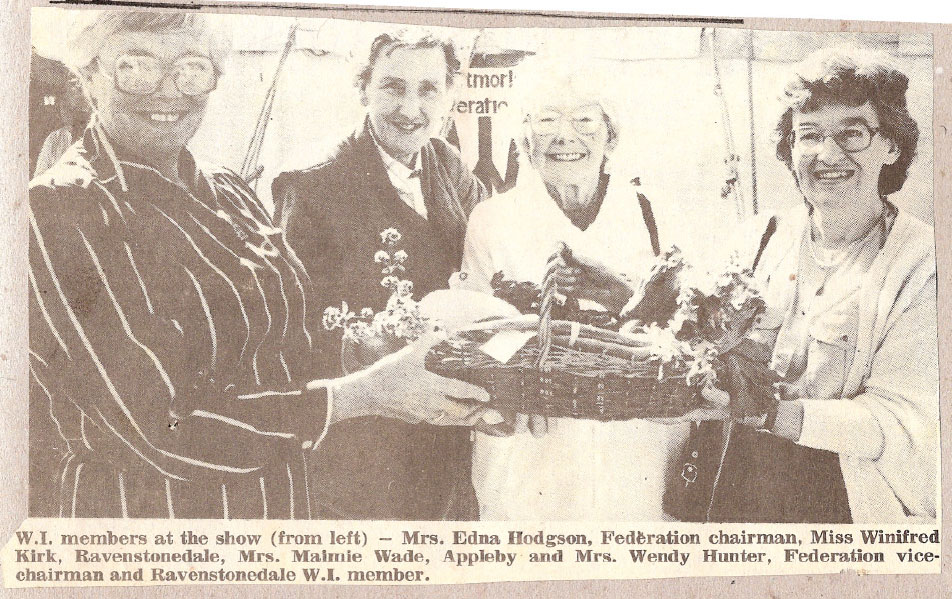
Alan and Wendy Hunter led the chapel (Wendy on right)
The title of "Mr. Ravenstonedale" was not won (as far as we know) by prancing about in a bathing costume and looking beautiful. It was the name Bob Hayton was known by in hospital in Carlisle. Bob was born at Midcot, Ravenstonedale, although his family were living in Newbiggin then. He has been associated with High Chapel all his life and last month he celebrated 80 years. This is a very cheering long life because Bob was not expected to live' even to early middle age. He lived, and was treated, in the time when old methods were rapidly changing to new, and the old doctor who cured him needed his doctor son to interpret Bob's Xray.
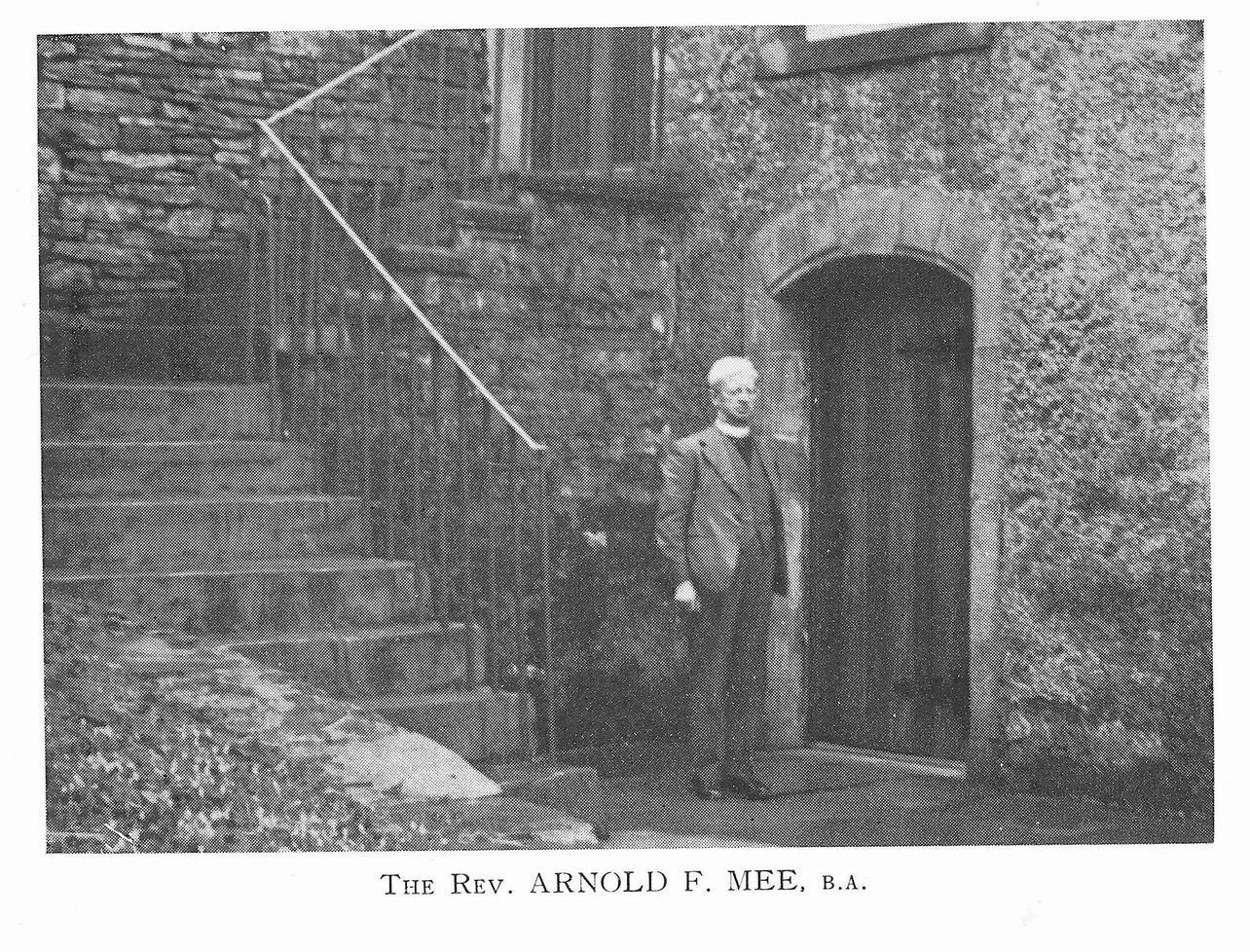
More recently a doctor has told Bob that they could treat his condition easily now, but he was amazed that the old doctor had managed it. Bob was a builder by trade but later turned chimney sweep with over two thousand customers, sweeping 10-15 a day. Mrs. Hayton, born Doris Liddle, came from Manchester and was a well-known cake decorator and one Christmas she iced 98 cakes and everyone was different. The first Minister Bob remembers was Mr. Patrick, then there were Mr. Geo. Manning, Mr. Giffin, Dr. Leatherland, Mr. Wathan, Mr. Mee, Mrs. Mee, Mr. Smailes, Dr. Whitehouse, and then Desmond. Bob used to walk from Newbiggin twice on Sundays to Sunday School. As Church Secretary he is not new to the problems of being without a Minister; it was his faith and determination that found Desmond to come to us.” From the Owens Scrap Books

Newbiggin School 1926 - Bob Hayton – middle, in lighter coloured suit